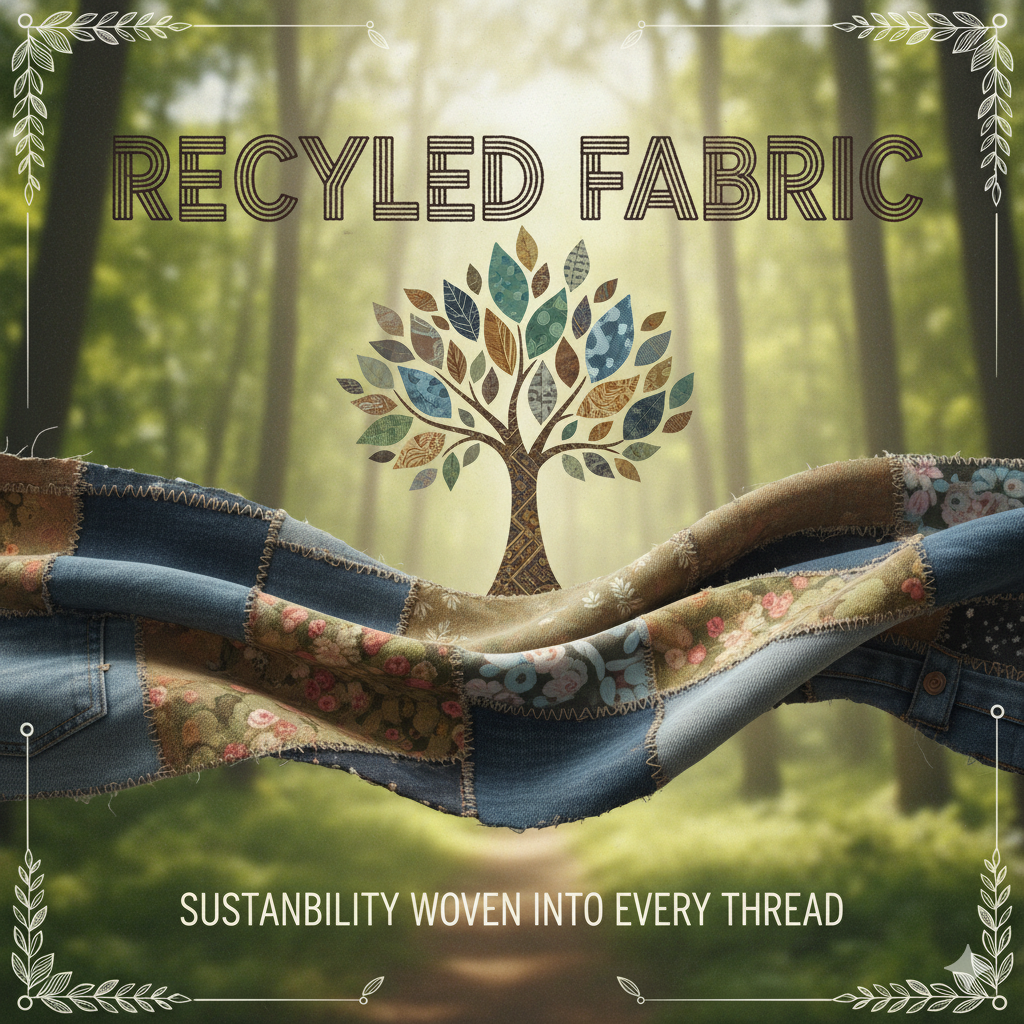

Recycled Fabric
group nameWorkwear Fabrics
-
Min Order1 piece
brand nameS-Techo
modelRecycled Fabric
-
update timeWed, 05 Nov 2025 11:47:46 GMT
Packging & Delivery
Min Order1 piece
Briefing
Recycled fabric is textile material created by reclaiming and processing waste fibers, materials, or discarded garments. Instead of being sent to landfills, these old materials—like plastic bottles (turned into recycled polyester or rPET) or old clothing (turned into recycled cotton)—are cleaned, broken down, and spun into new yarn.
This process significantly reduces the need for virgin resources, conserves water and energy, and helps lessen textile waste, making it a cornerstone of sustainable fashion and eco-friendly textiles.
This process significantly reduces the need for virgin resources, conserves water and energy, and helps lessen textile waste, making it a cornerstone of sustainable fashion and eco-friendly textiles.
Detailed
♻️ Recycled Fabrics: Sustainable Innovation for a Greener FutureWhat are recycled fabrics?
Recycled fabrics are eco-friendly textiles made by transforming waste materials into new fibers. They deliver the same quality, comfort, and durability as traditional fabrics—while helping reduce environmental impact and promote circular production.
🌍 Source Materials
Recycled fabrics are produced from two main waste streams:
Post-Consumer Waste: Used clothing, plastic bottles (for rPET), fishing nets, and carpets.Pre-Consumer / Industrial Waste: Factory offcuts, scrap fabric, and leftover materials from manufacturing.
🧵 Types of Recycled Fabrics
Recycled Polyester (rPET) – Made from recycled PET bottles. It helps cut plastic waste and uses less energy than virgin polyester.Recycled Cotton – Produced from used cotton garments or fabric scraps. It conserves water and reduces pesticide use.Recycled Nylon – Derived from fishing nets and industrial waste, offering excellent strength and elasticity.Recycled Wool – Made from reclaimed wool textiles, often sorted by color to minimize dyeing and save resources.
⚙️ How It's Made
Collection: Gathering waste materials such as textiles and plastics.
Sorting & Cleaning: Separating by material and color, removing dirt and contaminants.
Processing: Shredding or melting materials into fibers or filaments.
Spinning & Weaving: Turning fibers into yarn and weaving or knitting them into fabric.
Finishing: Enhancing texture, softness, or performance with eco-friendly treatments.
✅ Environmental Benefits
Reduces Waste: Keeps plastic and textiles out of landfills and oceans.
Saves Resources: Lowers the need for new raw materials and water consumption.
Cuts Emissions: Uses less energy and produces fewer greenhouse gases.Recycle polyester 65% cotton 35% : /210 gsm / 245 gsm Recycle polyester 50% cotton 50%: 180gsm
Recycled fabrics are eco-friendly textiles made by transforming waste materials into new fibers. They deliver the same quality, comfort, and durability as traditional fabrics—while helping reduce environmental impact and promote circular production.
🌍 Source Materials
Recycled fabrics are produced from two main waste streams:
Post-Consumer Waste: Used clothing, plastic bottles (for rPET), fishing nets, and carpets.Pre-Consumer / Industrial Waste: Factory offcuts, scrap fabric, and leftover materials from manufacturing.
🧵 Types of Recycled Fabrics
Recycled Polyester (rPET) – Made from recycled PET bottles. It helps cut plastic waste and uses less energy than virgin polyester.Recycled Cotton – Produced from used cotton garments or fabric scraps. It conserves water and reduces pesticide use.Recycled Nylon – Derived from fishing nets and industrial waste, offering excellent strength and elasticity.Recycled Wool – Made from reclaimed wool textiles, often sorted by color to minimize dyeing and save resources.
⚙️ How It's Made
Collection: Gathering waste materials such as textiles and plastics.
Sorting & Cleaning: Separating by material and color, removing dirt and contaminants.
Processing: Shredding or melting materials into fibers or filaments.
Spinning & Weaving: Turning fibers into yarn and weaving or knitting them into fabric.
Finishing: Enhancing texture, softness, or performance with eco-friendly treatments.
✅ Environmental Benefits
Reduces Waste: Keeps plastic and textiles out of landfills and oceans.
Saves Resources: Lowers the need for new raw materials and water consumption.
Cuts Emissions: Uses less energy and produces fewer greenhouse gases.Recycle polyester 65% cotton 35% : /210 gsm / 245 gsm Recycle polyester 50% cotton 50%: 180gsm





6YRS Shentou Enterprise Limited Company