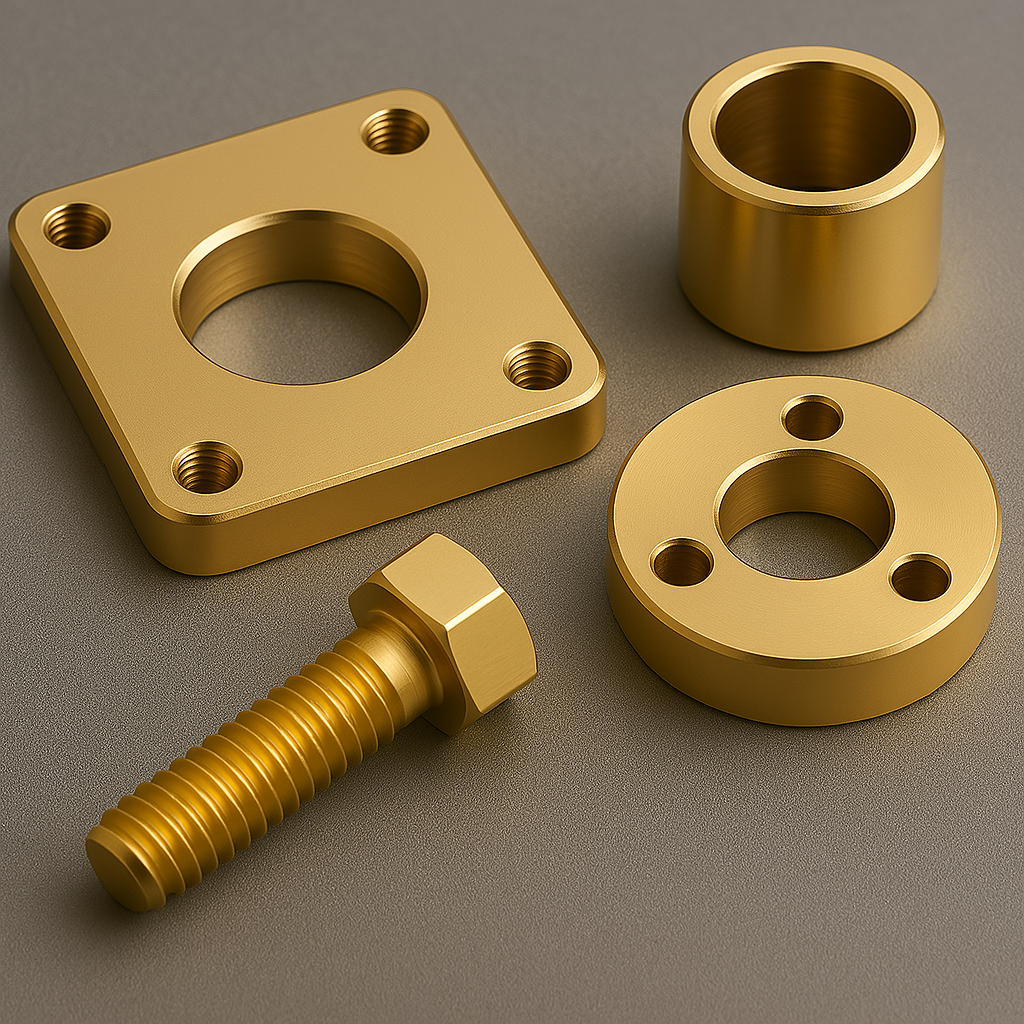


Electroless Plating: Uniform Metal Coating Without Electricity
group nameSurface Finishing
-
Min Order1 piece
brand nameSOMI Custom Parts Manufacturer
modelElectroless Plating surface treatment
payment methodT/T, PayPal, Westem Union, Cash
-
update timeWed, 09 Sep 2026 16:50:38 GMT
Paramtents
Electroless Plating Color Bright Silver, Black Nickel, Golden Hue, Matte or
Common Types of Electroless Plating Electroless Nickel, Nickel-Phosphorus, etc..
Packging & Delivery
Min Order1 piece
Briefing
Detailed
🧪 Electroless Plating: Uniform Metal Coating Without Electricity
📘 What Is Electroless Plating?
Electroless plating is a chemical-based metal coating process that relies on autocatalytic reactions to deposit a uniform layer of metal—no electricity required. It’s perfect for complex geometries and non-conductive substrates like plastic or ceramics.
🔄 Process Workflow
- Surface Preparation – cleaning, etching and degreasing
- Activation – applying catalyst (e.g. palladium-based)
- Chemical Bath Immersion – substrate submerged in plating solution
- Uniform Deposition – even coating through reduction reaction
- Post-Treatment – rinsing, drying and optional heat treatment
🧬 Common Types of Electroless Plating
Type
Description
Key Benefit
Electroless Nickel
Highly wear- and corrosion-resistant
Hardness & durability
Nickel-Phosphorus
Phosphorus level tuned for specific needs
Corrosion protection
Nickel-Boron
Extra hardness for tooling and moving parts
Extreme wear resistance
Electroless Copper
Highly conductive for electronics
Electrical performance
🎨 Finish & Color Options
- Bright silver
- Golden hue (high phosphorus)
- Satin gray
- Black nickel
🎯 Application Areas
- 🚗 Automotive – sensors, fuel system parts
- 📡 Electronics – PCBs, connectors
- 🛩️ Aerospace – hydraulic valves, actuators
- 💎 Consumer goods – watch components, appliances
- 🧬 Medical – implants, surgical tools
💡 Technical Features
- Consistent thickness on complex surfaces
- Strong adhesion to metals, plastics and ceramics
- Hardness up to 1000 Vickers (after heat treatment)
- No external power required
- Low distortion and dimensional stability
🔍 Pros vs. Cons
Advantages
Limitations
Perfect for intricate shapes
Bath chemistry must be carefully maintained
Works on conductive and non-conductive surfaces
Slower deposition compared to electroplating
Excellent corrosion and wear resistance
Not suitable for all plastics without activation
Eco-efficient; no electricity required
Requires controlled temperature and pH
🛠️ Compatible Materials
Suitable: Steel, aluminum, copper alloys, ABS plastic, polycarbonate, ceramics
Requires Activation: Plastics, composites
🔗 Related Surface Treatments
Process
Comparison to Electroless Plating
Anodizing
Forms oxide layer; best for aluminum; decorative finishes
Electroplating
Uses electric current; faster deposition
Passivation
Chemical corrosion protection for stainless steel
Powder Coating
Thicker, colored polymer finish
💬 SOMI's Surface Engineering Vision
At SOMI, electroless plating means innovation without compromise. We customize chemical formulations, guarantee adhesion across material types, and deliver reliable coatings for the industries that demand performance and precision.
🧪 Electroless Plating: Uniform Metal Coating Without Electricity
📘 What Is Electroless Plating?
Electroless plating is a chemical-based metal coating process that relies on autocatalytic reactions to deposit a uniform layer of metal—no electricity required. It’s perfect for complex geometries and non-conductive substrates like plastic or ceramics.
🔄 Process Workflow
- Surface Preparation – cleaning, etching and degreasing
- Activation – applying catalyst (e.g. palladium-based)
- Chemical Bath Immersion – substrate submerged in plating solution
- Uniform Deposition – even coating through reduction reaction
- Post-Treatment – rinsing, drying and optional heat treatment
🧬 Common Types of Electroless Plating
| Type | Description | Key Benefit |
|---|---|---|
| Electroless Nickel | Highly wear- and corrosion-resistant | Hardness & durability |
| Nickel-Phosphorus | Phosphorus level tuned for specific needs | Corrosion protection |
| Nickel-Boron | Extra hardness for tooling and moving parts | Extreme wear resistance |
| Electroless Copper | Highly conductive for electronics | Electrical performance |
🎨 Finish & Color Options
- Bright silver
- Golden hue (high phosphorus)
- Satin gray
- Black nickel
🎯 Application Areas
- 🚗 Automotive – sensors, fuel system parts
- 📡 Electronics – PCBs, connectors
- 🛩️ Aerospace – hydraulic valves, actuators
- 💎 Consumer goods – watch components, appliances
- 🧬 Medical – implants, surgical tools
💡 Technical Features
- Consistent thickness on complex surfaces
- Strong adhesion to metals, plastics and ceramics
- Hardness up to 1000 Vickers (after heat treatment)
- No external power required
- Low distortion and dimensional stability
🔍 Pros vs. Cons
| Advantages | Limitations |
|---|---|
| Perfect for intricate shapes | Bath chemistry must be carefully maintained |
| Works on conductive and non-conductive surfaces | Slower deposition compared to electroplating |
| Excellent corrosion and wear resistance | Not suitable for all plastics without activation |
| Eco-efficient; no electricity required | Requires controlled temperature and pH |
🛠️ Compatible Materials
Suitable: Steel, aluminum, copper alloys, ABS plastic, polycarbonate, ceramics
Requires Activation: Plastics, composites
🔗 Related Surface Treatments
| Process | Comparison to Electroless Plating |
|---|---|
| Anodizing | Forms oxide layer; best for aluminum; decorative finishes |
| Electroplating | Uses electric current; faster deposition |
| Passivation | Chemical corrosion protection for stainless steel |
| Powder Coating | Thicker, colored polymer finish |
💬 SOMI's Surface Engineering Vision
At SOMI, electroless plating means innovation without compromise. We customize chemical formulations, guarantee adhesion across material types, and deliver reliable coatings for the industries that demand performance and precision.
You need a product



You May Like


6YRS SOMI Custom Parts
- Nearest port for product export
- Rongqi Port, Shenzhen Port
- Delivery clauses under the trade mode
- FOB, CIF, EXW
- Acceptable payment methods
- T/T, PayPal, Westem Union, Cash