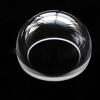
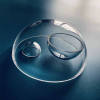
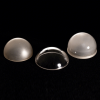
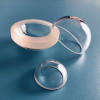
Hard Optical Shield
Sapphire can be specified where exposed optics face dust, sand, handling, cleaning or marine service.


5 - 99 piece
100 - 999 piece
1000 - 4999 piece
5000 - 9999 piece
group nameSapphire Optical Dome
Min Order5 piece
brand nameFELIX GLASS optical glass Manufacturing base
modelFG‑HL‑00291
payment methodL/C, D/A, D/P, Western Union
update timeTue, 08 Sep 2026 20:05:44 GMT
Material: Sapphire / BK7 / Fused Silica / K9
Coating: AR / IR / UV / AF
Shape: Hemispherical / Spherical / Half‑Sphere
Diameter: 5mm‑200mm (Customizable)
Hardness: 9 Mohs (Sapphire)
Feature: High Transmittance, Low Distortion, Pressure Resistant, Scratch Resistant
Application: Surveillance Cameras, Underwater ROV, Laser Systems, Medical Devices, Aerospace, Drones
Size50cm x50cm x30cm
Weight0.5kg / piece
Min Order5 piece
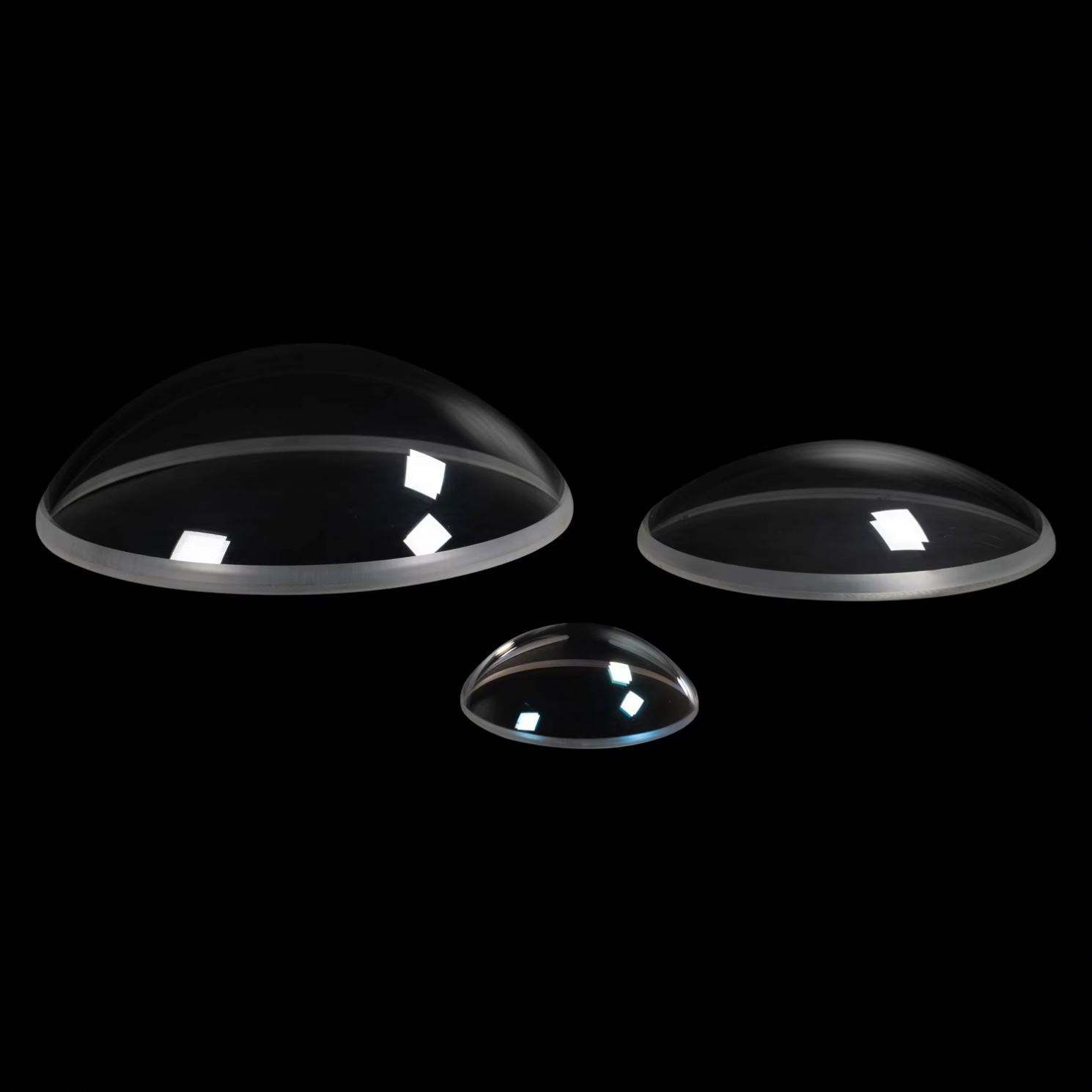
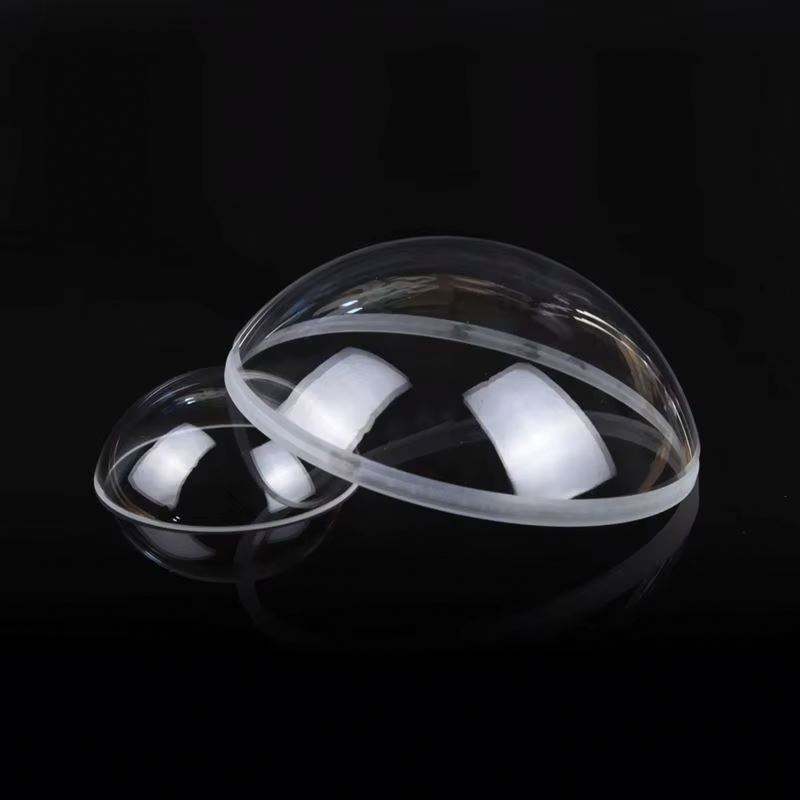
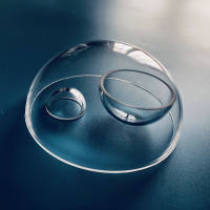
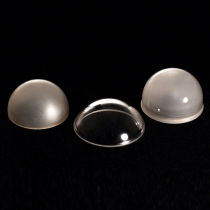
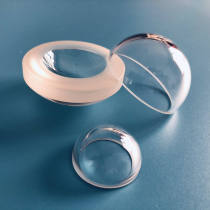
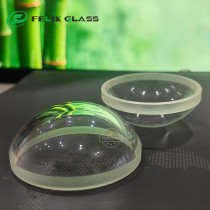
Felix Glass Co., Limited manufactures custom sapphire hemispherical lens and optical dome components for cameras, sensors, laser systems, underwater equipment, aerospace devices and industrial optical assemblies that need a hard, clear protective optical cover. A sapphire hemispherical lens is used when the optical path must stay protected from abrasion, pressure, cleaning wear, outdoor exposure or harsh service conditions while maintaining useful transmission for camera, sensor or optical instrument work. Compared with a flat cover window, the hemispherical form can support wider viewing geometry and compact sealed housings. Compared with ordinary glass, sapphire provides Mohs 9 hardness for projects where surface durability matters. Sapphire can be specified where exposed optics face dust, sand, handling, cleaning or marine service. AR, IR, UV or AF coating can be discussed according to the target wavelength band and operating environment. Diameter, radius, wall thickness, edge detail and inspection criteria are reviewed from the drawing. The original listing supports multiple optical materials. Sapphire is selected for high hardness and environmental stability, while BK7, fused silica or K9 can be reviewed when cost, optical band or project requirements point to another material. The same dome concept can serve different optical systems when the drawing, material and coating are matched to the working environment. Felix Glass reviews each project around the actual use case instead of treating the lens as a standard catalog part. For outdoor cameras, exposed optics may need a hard dome cover with coating selected for reflection control and clarity. Marine housings require careful review of pressure, sealing, corrosion exposure and viewing geometry. Specialized systems often need defined material, coating, surface quality and inspection requirements. Coating selection should start with the wavelength band, required reflection control, cleaning exposure, operating temperature and inspection method. A general AR coating may be enough for a camera dome, while an infrared optical system may need a more specific coating target. Reduces reflection and supports higher useful transmission in the specified optical band. Matches the material and coating stack to infrared or ultraviolet optical requirements when applicable. Can be discussed for lens covers that need easier cleaning or reduced fingerprint marking. Confirm camera, sensor, laser, medical, aerospace, drone or underwater use conditions. Review diameter, spherical radius, wall thickness, edge treatment, mounting area and tolerance. Select sapphire, BK7, fused silica or K9 according to the optical and mechanical priorities. Define AR, IR, UV or AF coating details based on wavelength and operating environment. Set practical checks for dimensions, surface quality, optical appearance and coating condition. Each custom optical dome lens should be checked against the agreed drawing and order requirements. Typical review points include dimensions, visual surface quality, coating appearance, optical clarity, edge finish and packaging protection. The optical cover faces abrasion, cleaning cycles, outdoor exposure, pressure, heat or long-service durability concerns. The project needs precision optical glass but the environment does not justify sapphire hardness. The wavelength band, thermal behavior or system specification points beyond standard optical glass. Yes. The final feasible size depends on material, dome radius, wall thickness, edge design, tolerance and quantity. No. Sapphire is suitable when hardness and environmental resistance matter. BK7, fused silica or K9 may fit other optical priorities. Share the target wavelength band, expected reflection requirement, environment, cleaning method and any inspection standard. Send a drawing, material preference, diameter, radius, thickness, coating, quantity, application and tolerance requirements. Share your optical band, application, drawing and order quantity. Felix Glass can review material choice, coating direction, manufacturability and inspection points for your custom sapphire optical component project.
Custom infrared-transparent sapphire dome lens
AR Coated Sapphire Hemispherical Lens for Protected Optical Systems
 Direct answer
What This Sapphire Optical Dome Lens Helps Protect
Hard Optical Shield
Coated Transmission
Custom Geometry
Attention stage
Material Options for Sapphire, BK7, Fused Silica and K9 Designs
Interest stage
Key Specifications for Custom Sapphire Hemispherical Lens Orders
Product type Custom AR coated sapphire hemispherical lens and infrared-transparent optical dome lens Model reference FG-HL-00291 Material choices Sapphire, BK7, fused silica or K9, selected by drawing and application Coating choices AR, IR, UV and AF coating options for project-specific optical requirements Shape Hemispherical, spherical, half-sphere or custom dome geometry Diameter range 5 mm to 200 mm, customizable according to tooling and material feasibility Feature focus High transmittance, low distortion, pressure resistance and scratch resistance
Application fit
Applications for Infrared Transparent Sapphire Optical Dome Lenses
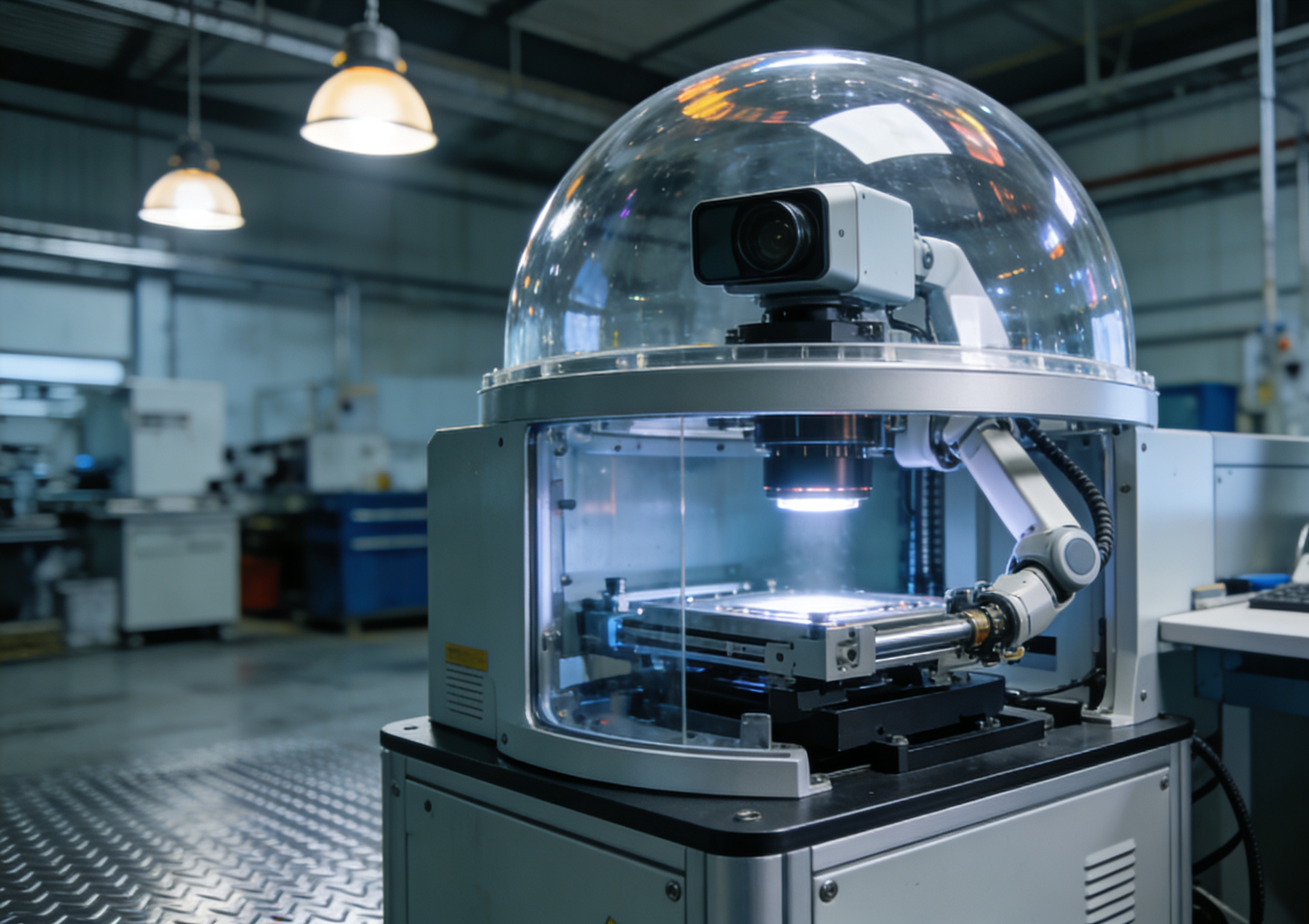
Surveillance and Security Cameras

Underwater ROV Equipment

Laser, Medical, Aerospace and Drones
Optical coating
How AR, IR, UV and AF Coatings Are Selected
AR Coating
IR or UV Review
AF Surface Option
Desire stage
Drawing-Based Manufacturing Review Before Quotation
Application Check
Drawing Review
Material Decision
Coating Planning
Inspection Scope
Quality control
Inspection Points for Low Distortion and Stable Optical Performance
Decision support
When to Choose Sapphire for a Hemispherical Optical Cover
Choose Sapphire When
Review BK7 or K9 When
Review Fused Silica When
Related sapphire optical components
Internal Links for Faster Sapphire Optical Component Comparison
Buyer FAQ
Questions Before Ordering a Custom Sapphire Hemispherical Lens
Can the diameter be customized from 5 mm to 200 mm?
Is sapphire always the right material?
What coating information should be provided?
What helps speed up quotation?
Action stage
Send Your Drawing for a Practical Sapphire Dome Lens Review
网络文化经营许可证:浙ICP备14006100号-11 2007-2026 Tradevv.com. All rights reserved.