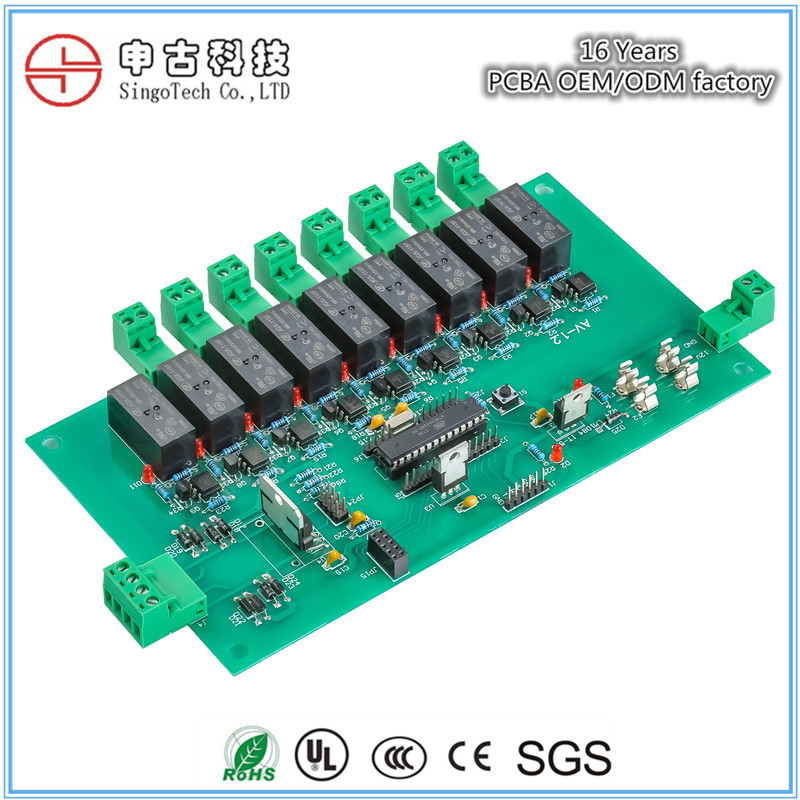

PCB assembly manufacturer in China with over 16 years of experience.
group namePCB Manufacturing
-
Min Order1 piece
brand nameSingo PCB Assembly and Manufacturing Services
modelRigid PCB
payment methodWestern Union, T/T
-
update timeWed, 09 Sep 2026 03:13:20 GMT
Packging & Delivery
Min Order1 piece
Briefing
Detailed
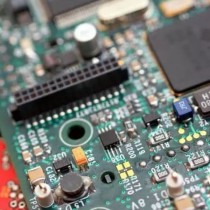
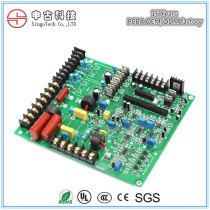
Widely used, rigid PCBs are made up of a solid substrate material, which ensure that the circuit board isn’t distorted. Ranging from single layer PCBs to multi layered ones, rigid PCBs are beneficial where they need to be set in shape and maintained during the lifetime of the equipment. Their compact size and easy maintenance make them ideal for use in a wide range of applications where the components need to be fixed and where there is application stress as well as increased temperatures.
At SINGO, we offer you high-quality rigid PCBs to meet your bespoke requirements.
You need a product
You May Like
6YRS Hangzhou Singo Technology Co.,Ltd
- Nearest port for product export
- Shanghai, Ningbo, Shenzhen
- Delivery clauses under the trade mode
- FOB, CFR, EXW, DDU, Express Delivery
- Acceptable payment methods
- T/T, MoneyGram, Westem Union