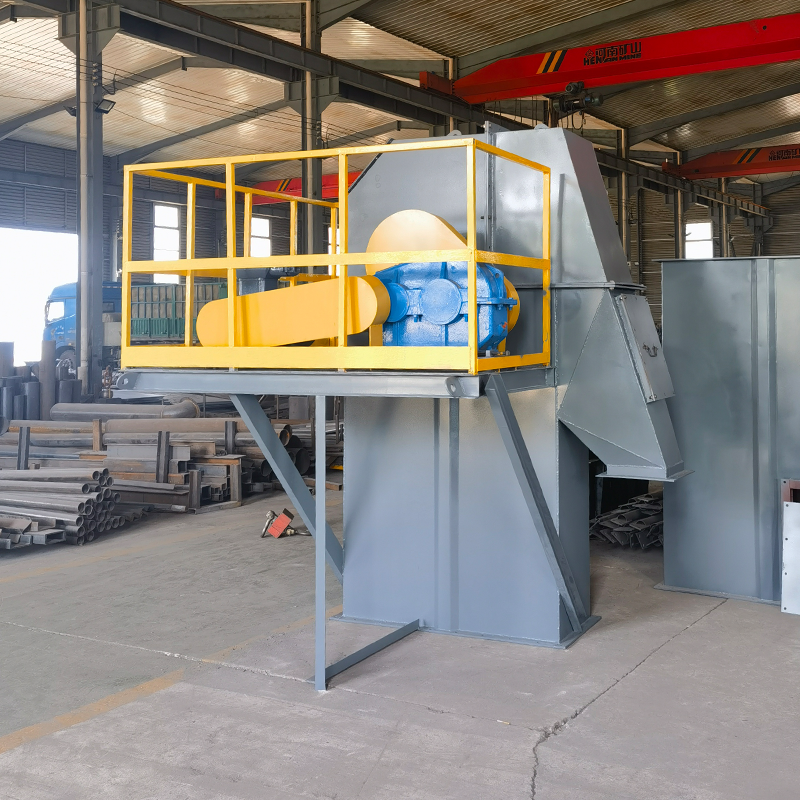


Industrail Bucket Elevator Conveyor for Bulk Handing
group nameConveyor Equipment
-
Min Order1 piece
brand nameChity
payment methodT/T, L/C
-
update timeFri, 28 Aug 2026 19:10:06 GMT
Packging & Delivery
Min Order1 piece
Briefing
A bucket elevator is an efficient material handling system, widely used for bulk handling applications.
Detailed
Introduction
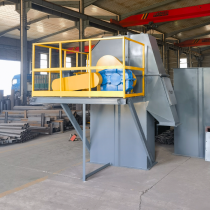
A bucket elevator is an efficient material handling system, widely used for bulk handling applications. It features a series of scraper blades attached to a chain or belt, which push bulk materials such as powders, grains, or debris along an enclosed trough. Ideal for industries like mining, agriculture, and manufacturing, the scraper conveyor offers reliable performance in transporting abrasive, heavy, or fine materials. Its robust design, featuring durable chains and wear-resistant blades, ensures long-lasting operation even in tough conditions. By incorporating a scraper conveyor into bulk material handling systems, businesses can streamline operations, reduce labor costs, and ensure the smooth transfer of bulk materials while maintaining cleanliness and efficiency.
Key Components
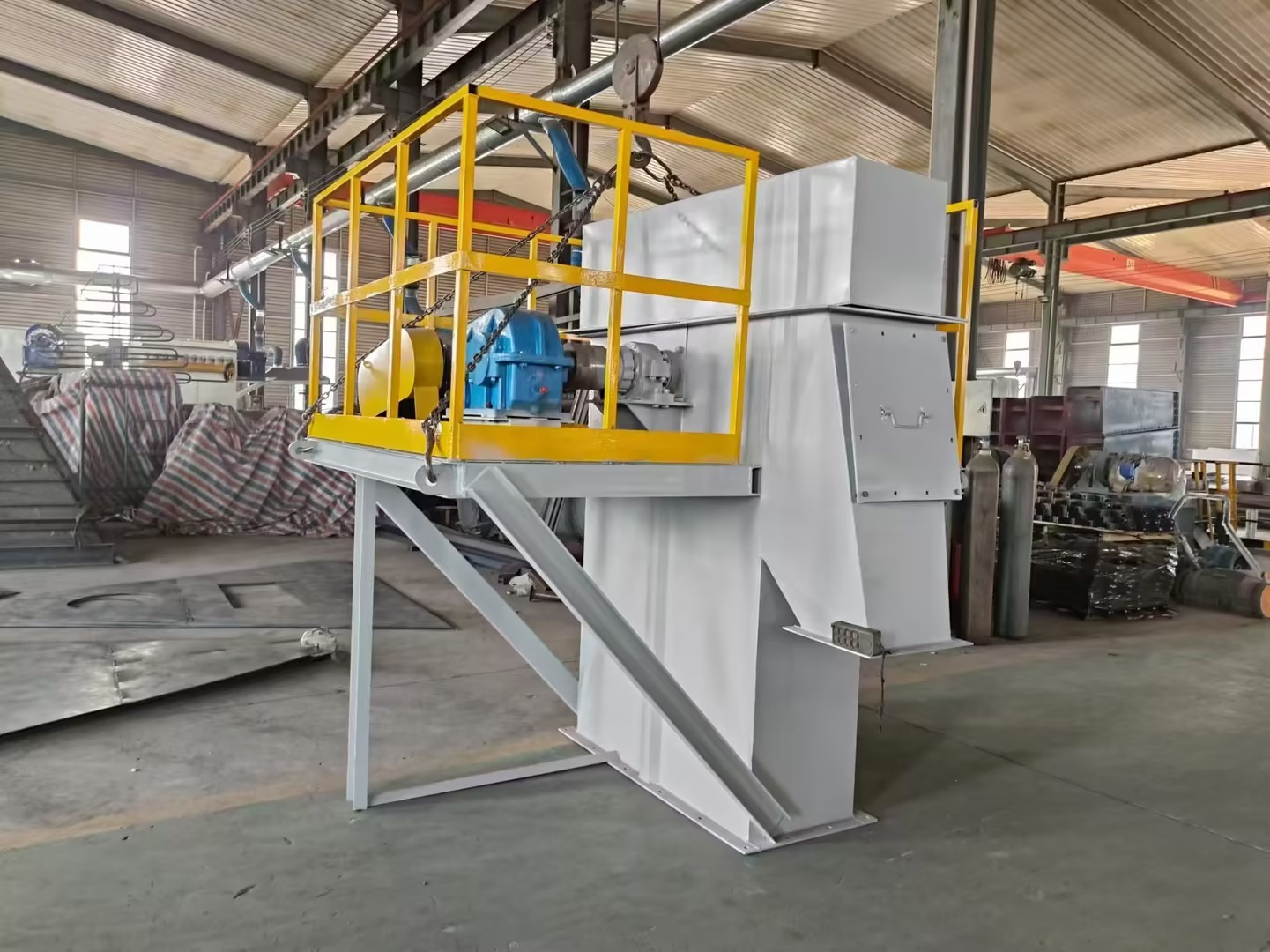
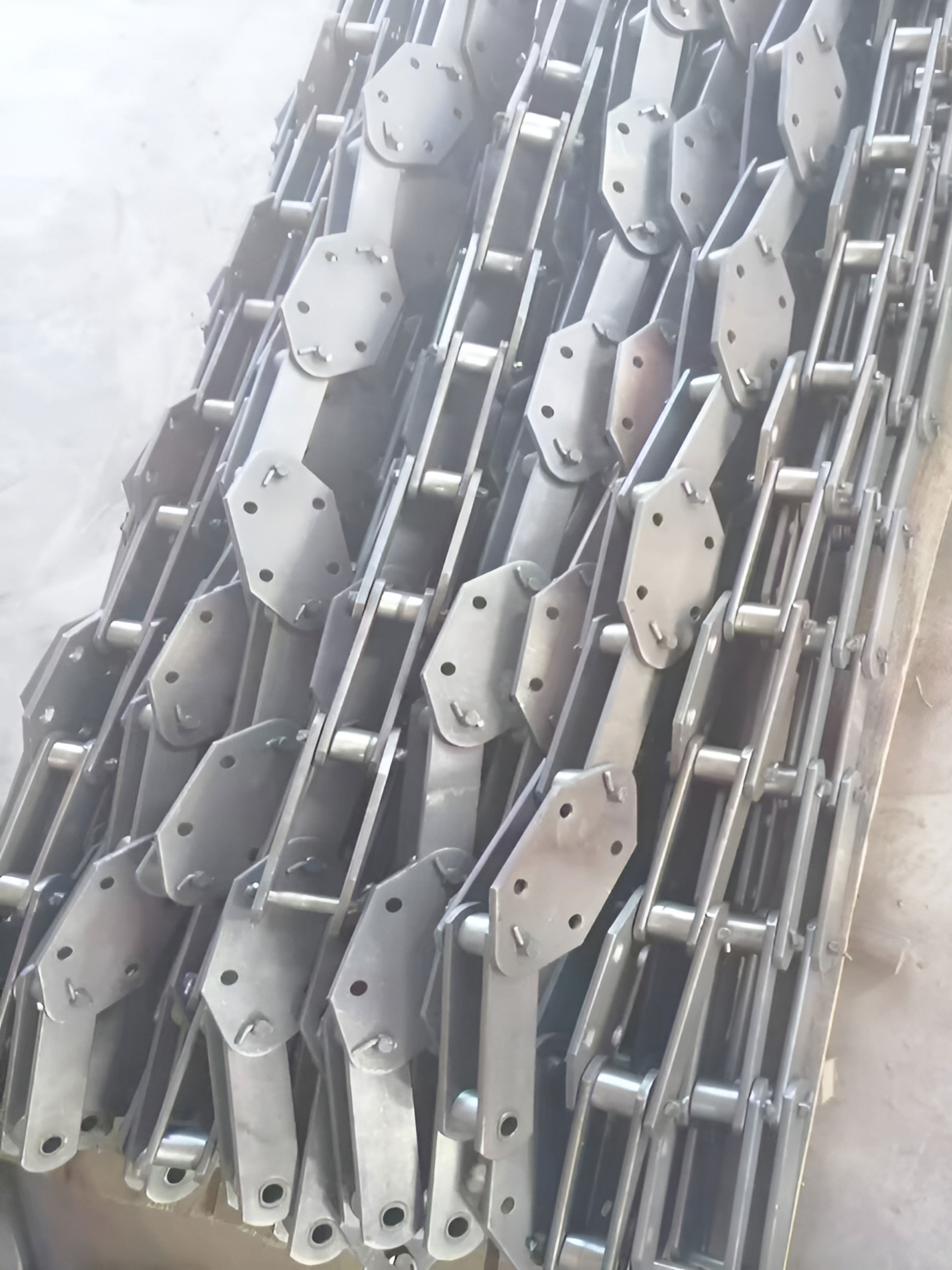
>Buckets – Attached to a belt or chain, these containers scoop and transport bulk materials vertically. Available in different shapes and sizes to suit specific materials.
>Head Section – The top part of the elevator where the material is discharged. It includes a pulley or sprocket system to guide the belt or chain.
>Boot Section – The bottom part of the elevator where material is loaded into the buckets. It often houses the drive system.
>Drive System – Includes an electric motor, gearbox, and drive pulley or sprocket that powers the movement of the belt or chain.
>Belt or Chain – A continuous loop that carries the buckets and is driven by the motor. The belt is often used for lighter materials, while a chain is used for heavier or more abrasive materials.
>Tensioning System – Maintains proper tension in the belt or chain to ensure smooth operation and prevent slippage.
>Sprockets or Pulleys – Rotating components that drive and guide the chain or belt.
>Casing – An enclosed structure that houses the buckets, belt, or chain, ensuring the material stays contained during vertical transportation.
>Discharge Chute – A chute at the head section that guides the discharged material to the next processing point or storage area.
>Bearing & Shaft – Bearings support the rotating components, and the shaft connects the sprockets or pulleys to ensure smooth operation.
>Inspection Doors – Allow for maintenance and inspection of internal components, such as the buckets, chains, and bearings.
>Cleaning Mechanism (Optional) – A system designed to clean the buckets during operation to prevent material buildup and contamination.
You need a product
You May Like
- Nearest port for product export
- Tianjin, Guangzhou, Qingdao, Shanghai
- Delivery clauses under the trade mode
- FOB, CFR, CIF, EXW, CIP
- Acceptable payment methods
- T/T, L/C