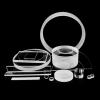
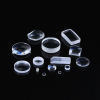
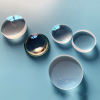
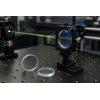
Imaging Systems
Protective windows, lens elements and plates for machine vision, microscopy and camera modules.
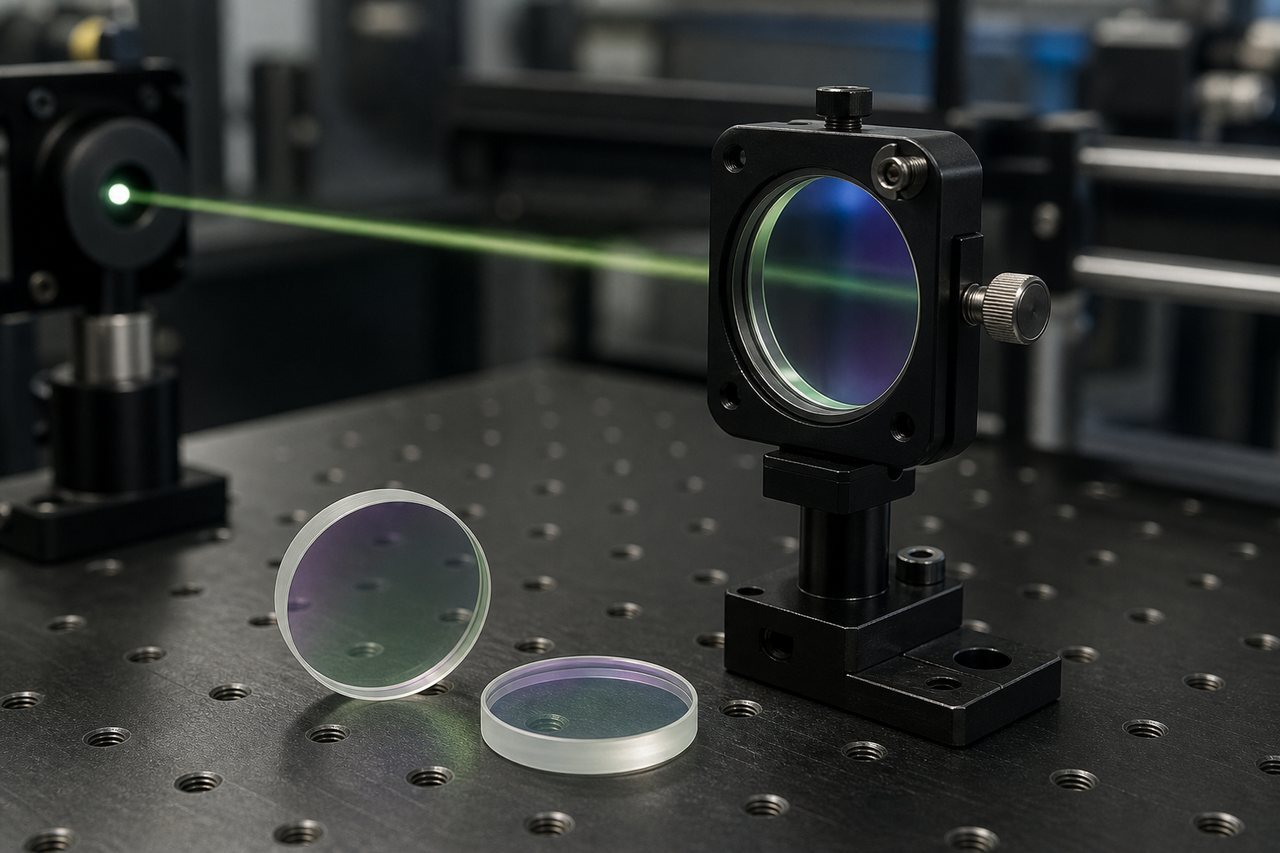


group nameCustom Special Optical Lenses
Min Order1 bag
brand nameFELIX GLASS optical glass Manufacturing base
modelCustom BK7 Optical Components
payment methodT/T, L/C, D/P D/A, MoneyGram, Credit Card, PayPal, Westem Union, Cash, Escrow
update timeTue, 08 Sep 2026 16:54:43 GMT
Material N-BK7 or approved BK7 equivalent
Dimension Custom per drawing; geometry reviewed
Tolerance Drawing-based; precision levels by review
Surface Quality 60-40, 40-20 or tighter by review
Surface Flatness Typical λ/4; λ/10 by review at specified wavelength
Visible Transmission High visible-range transmission; curve by design
Coating Uncoated, MgF2, BBAR or custom dielectric
MOQ Prototype to production; project-based
Lead Time Quoted after drawing, material and coating review
Min Order1 bag
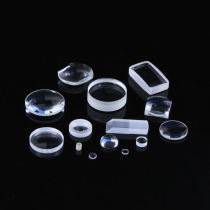
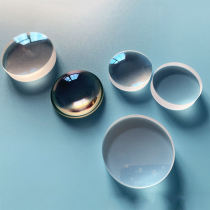
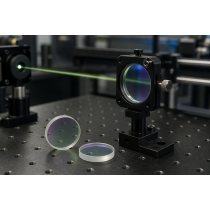
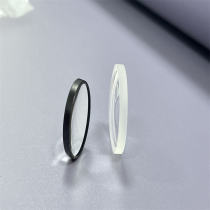
Felix Glass Co., Limited manufactures custom BK7 windows, plates, lenses, prisms and machined optical parts for imaging, illumination, measurement and precision-instrument programs. Send the drawing, wavelength range, clear aperture and inspection requirements for an engineering review. Values below are practical quotation fields, not blanket guarantees. Final capability is confirmed after Felix Glass reviews the drawing, geometry, glass grade, coating and inspection method. Use these typical values for early material selection only. Procurement specifications should reference the chosen glass maker, current datasheet, melt data when required and the operating environment. BK7 is commonly selected for visible and near-infrared optics where balanced optical performance, machinability and project economics matter. Fused silica or sapphire may be more suitable for harsher thermal, UV or mechanical environments. Protective windows, lens elements and plates for machine vision, microscopy and camera modules. Optical flats, beam-handling parts and reference components for measurement instruments. Windows, condensers and custom shapes for visible-light illumination assemblies. Custom optical interfaces for analytical, educational and R&D instruments. Viewing windows and optical elements for automation, alignment and inspection equipment. Drawing-controlled parts for repeat builds, spares and product lifecycle supply planning. Confirm material, datums, clear aperture, surface form, scratch-dig, edge treatment, coating and inspection method. Select material and prepare blanks with allowance for grinding, polishing and dimensional control. Apply CNC shaping, grinding, lapping, polishing, centering, edging, drilling or slotting as required. Coordinate coating when specified, then inspect the agreed dimensional, cosmetic and optical characteristics. Clean, protect and pack optical surfaces according to part geometry and shipment risk. A useful inspection plan connects each drawing requirement to a defined method, sampling level and record. Tell us which characteristics affect fit, image quality, beam performance or regulatory documentation. Diameter, thickness, profile, chamfer, hole location and other drawing-defined features. Scratch-dig and visible defect review within the specified clear aperture. Flatness, power or irregularity checked using the agreed wavelength and aperture. Angular relationships controlled where beam deviation or assembly alignment matters. Spectral or witness-sample documentation aligned with the coating specification. Inspection report, material information or other agreed documents supplied when included in the quote. Round, rectangular, polygonal and drawing-defined profiles; holes, slots, steps and chamfers by feasibility review. Flat and powered surfaces with polishing level matched to the component function and inspection callouts. Ground, fine-ground or polished edges; safety bevels and controlled chamfers where specified. Visible and near-infrared AR options evaluated against wavelength, incidence angle, environment and durability needs. Engineering review for early builds, tolerance tradeoffs and a path toward repeat production. Request applicable inspection reports, material declarations, coating records and traceability requirements before quotation. BK7 is a general optical crown-glass designation. N-BK7 is a specific modern grade from a named glass maker. If optical constants, environmental compliance or melt traceability matter, identify the exact grade and accepted equivalents on the drawing. Yes. BK7-type crown glass is widely considered for visible and near-infrared optics. Final suitability depends on thickness, wavelength band, coating, thermal environment and system-level performance. Consider fused silica when the design needs stronger UV transmission, lower thermal expansion or improved thermal-shock behavior. Compare optical, thermal, mechanical and cost requirements rather than selecting by one property. AR coating can be quoted when you provide the wavelength band, angle of incidence, polarization, reflectance or transmission target and durability requirements. Common requests include λ/4 flatness and 60-40 or 40-20 scratch-dig. Tighter values may be reviewed. Always state the test wavelength, clear aperture and applicable inspection standard. Yes, when defined on the drawing. Include the datum surfaces, angular tolerance, clear aperture and measurement method if beam deviation or assembly alignment is critical. Prototype orders can be reviewed. Feasible quantity and cost depend on blank availability, tooling, coating-lot minimums and inspection requirements. Send a dimensioned PDF drawing plus STEP data for complex profiles. Include material, coating, inspection, quantity, application environment and delivery needs. Request the required document package before quotation. Options may include dimensional results, cosmetic inspection records, material information and coating-related documentation, subject to the agreed scope. Protect polished surfaces from contact and abrasive particles. Use a cleaning method compatible with the coating and assembly. Confirm solvent, wipe and packaging requirements for sensitive systems. Receive a project-specific response covering material, manufacturability, inspection approach, quantity, lead time and quotation inputs.
Custom BK7 Optical Components
BK7 Optical Glass Components Built to Your Drawing
Prototype-to-production support
Uncoated and AR-coated options
Drawing-based inspection planning
Request an Engineering Quote
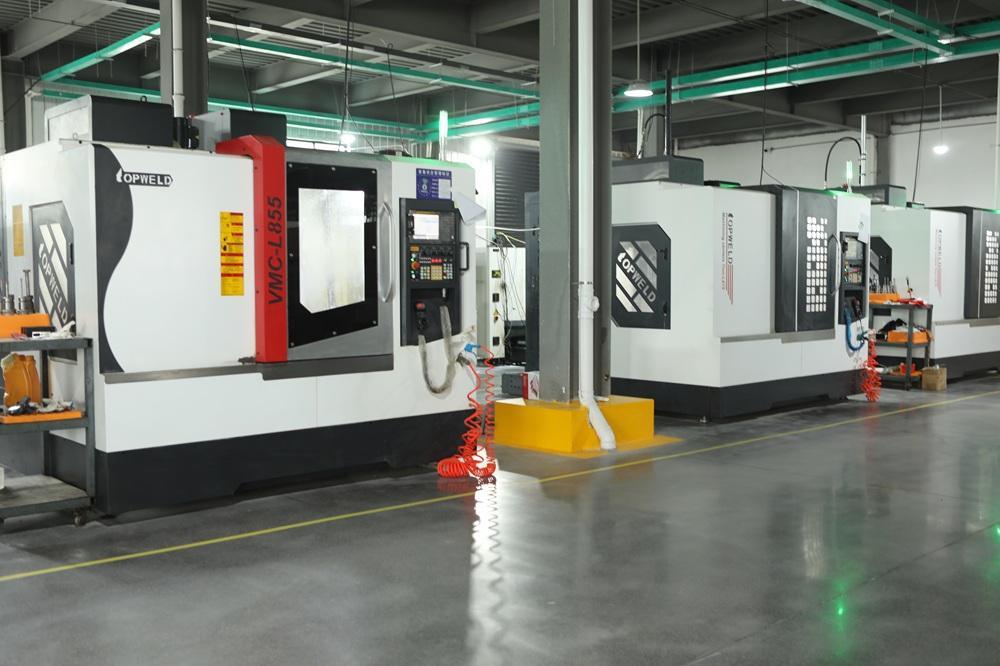 Engineering Snapshot
What Buyers Can Specify
Specification Field
Available Direction
Quotation Note
Material
N-BK7, BK7-equivalent optical crown glass, or customer-specified maker/grade
State whether an exact glass maker and melt certificate are required.
Dimension
Round, square, rectangular and drawing-defined profiles
Provide OD, length, width, thickness, clear aperture, holes, slots and chamfers.
Tolerance
Commercial through precision dimensional tolerances
Tighter limits depend on size, thickness, edge geometry and measurement datum.
Surface Quality
60-40, 40-20 and tighter scratch-dig levels by review
Specify the applicable standard and whether limits apply inside the clear aperture.
Surface Flatness
Typical λ/4; tighter flatness including λ/10 considered by review
State test wavelength, clear aperture, power and irregularity requirements.
Visible Transmission
High visible-range transmission before coating losses
Specify wavelength band, thickness and minimum system transmission target.
Coating
Uncoated, MgF2, broadband AR and application-specific dielectric coatings
Define AOI, polarization, wavelength band and required reflectance or transmission.
MOQ
Prototype quantities through scheduled production
MOQ depends on blank size, tooling, coating lot and inspection scope.
Lead Time
Quoted after drawing, material and coating review
Prototype and repeat-production schedules are confirmed separately.
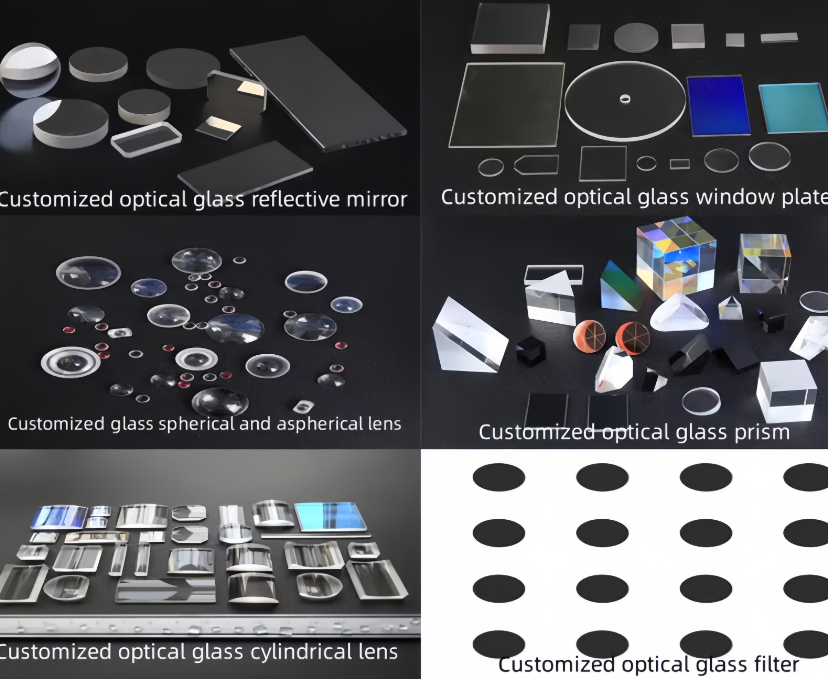 Material Properties
Representative N-BK7 Material Data
Refractive index ndApprox. 1.5168
Abbe number VdApprox. 64.17
DensityApprox. 2.51 g/cm³
CTEApprox. 7.1 × 10⁻⁶/K, 20–300°C
Transformation temperatureApprox. 557°C
Knoop hardnessApprox. 610 HK
Applications
Where Custom BK7 Components Fit
Imaging Systems
Metrology
Illumination
Laboratory Equipment
Precision Equipment
OEM Programs
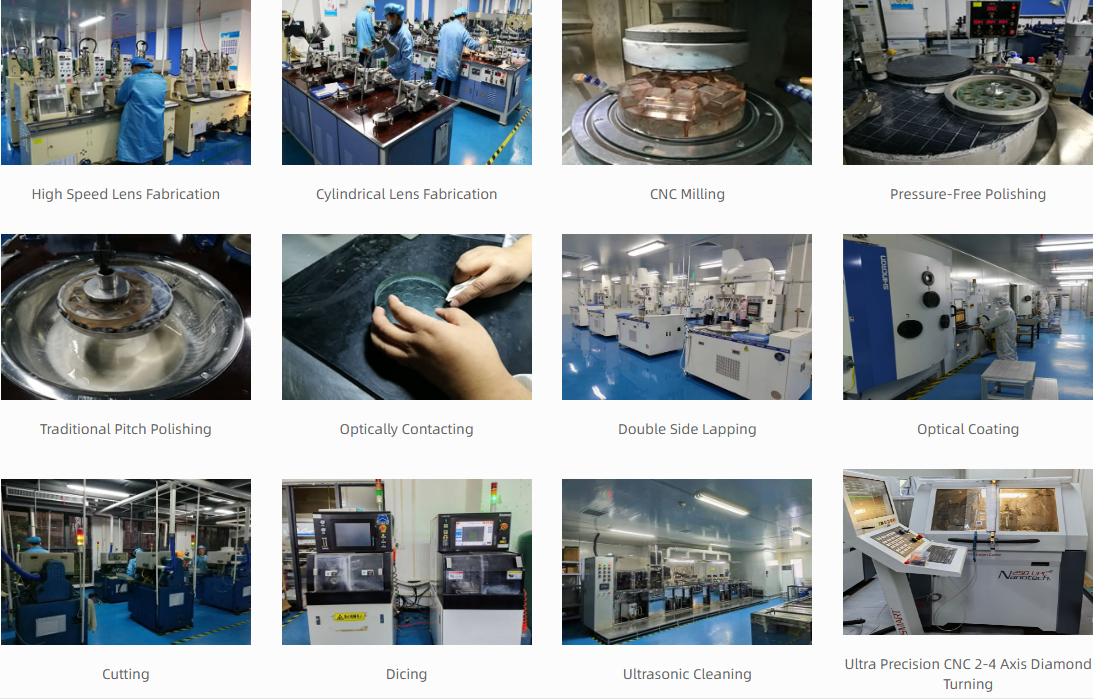
Manufacturing Process
From Optical Drawing to Packed Parts
Drawing Review
Blank Preparation
Precision Processing
Coating and Inspection
Cleaning and Packing
 Quality Inspection
Inspection Planned Around Functional Risk
Dimensions
Cosmetic Quality
Surface Form
Wedge and Parallelism
Coating Performance
Records
Factory Capability
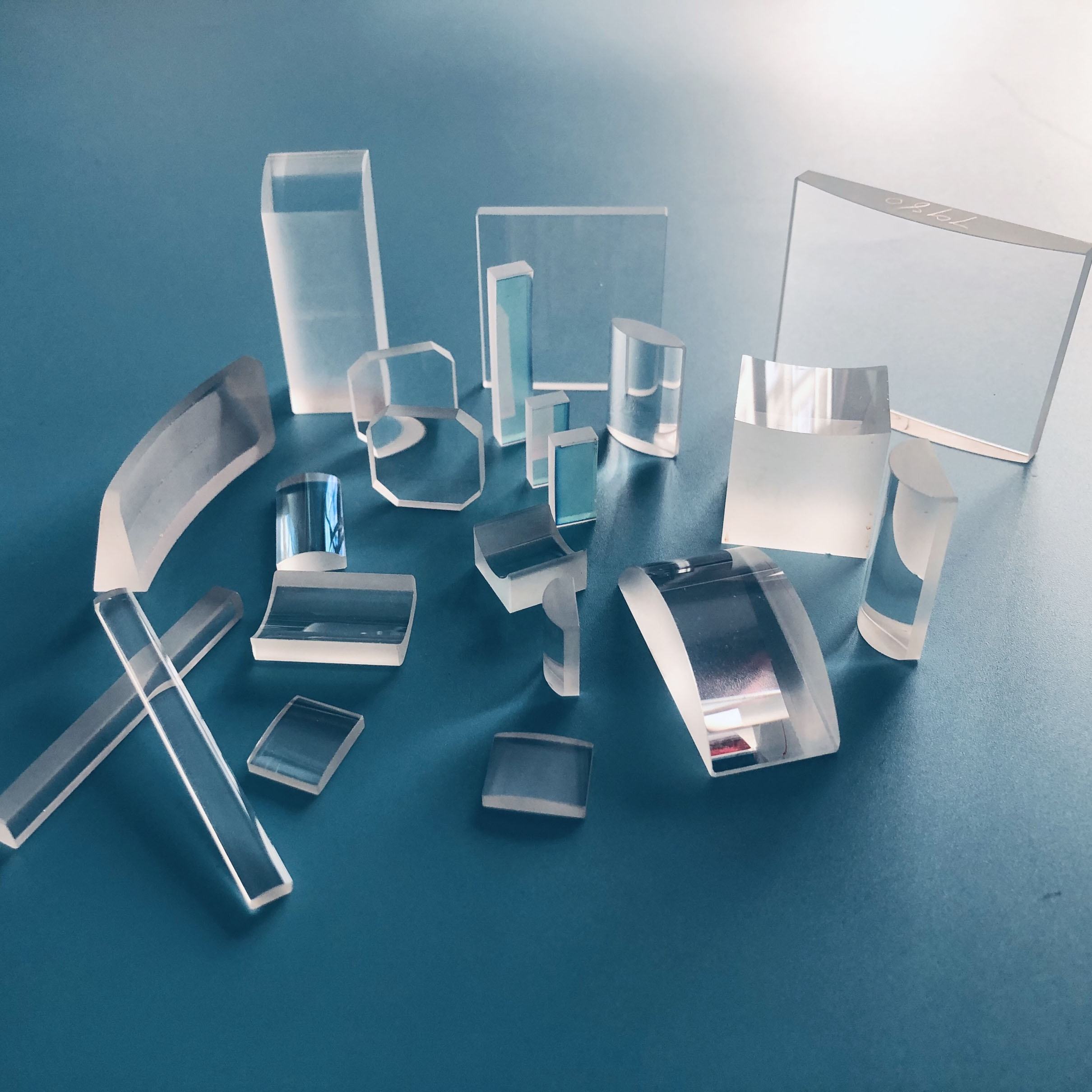
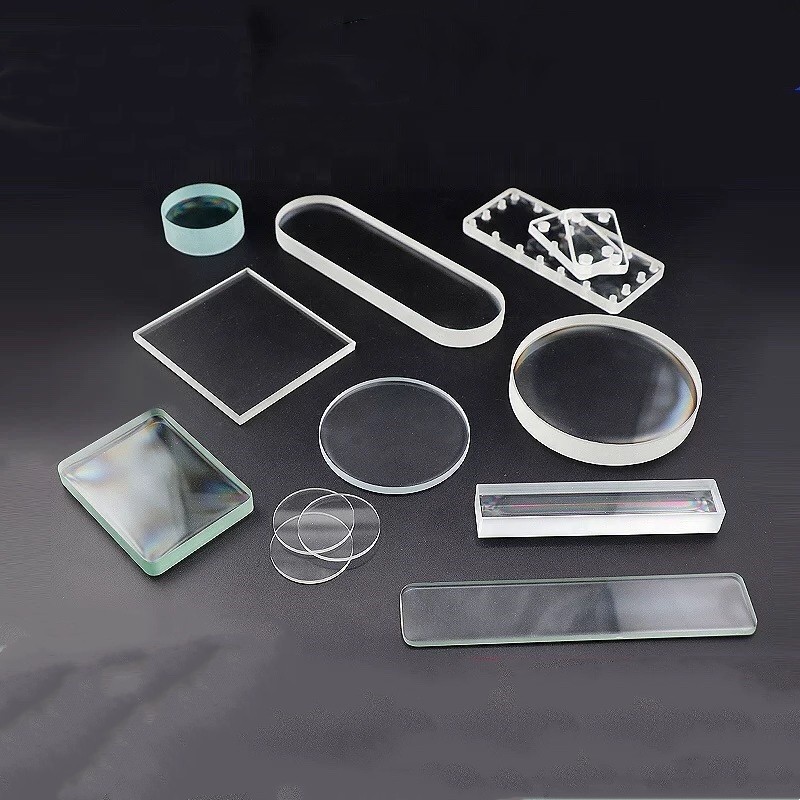
Custom Geometry, Surface and Documentation Options
Geometry
Optical Surfaces
Edge Finishing
Coating Coordination
Prototype Support
Project Documentation
Buyer Checklist
Information That Speeds Up an RFQ

 Engineering FAQ
Questions Buyers Ask Before Ordering BK7 Optics
1. What is the difference between BK7 and N-BK7?
2. Is BK7 suitable for visible-light instruments?
3. When should we choose fused silica instead?
4. Can you supply AR-coated BK7 windows?
5. What flatness and surface quality can be requested?
6. Can wedge and parallelism be controlled?
7. Do you support prototype quantities?
8. What files should we send for a quotation?
9. What inspection documents are available?
10. How should BK7 optical parts be handled and cleaned?
Related Products
Continue Material and Component Selection
Related Engineering Articles
Guidance for Optical Engineers and Procurement Teams
Engineering Review
Send Your BK7 Optical Component Drawing
网络文化经营许可证:浙ICP备14006100号-11 2007-2026 Tradevv.com. All rights reserved.