2.1 Excellent beam coupling performance
Ideal spherical surface achieves high‑efficiency light coupling between optical fiber and optoelectronic devices, greatly reduces insertion loss.
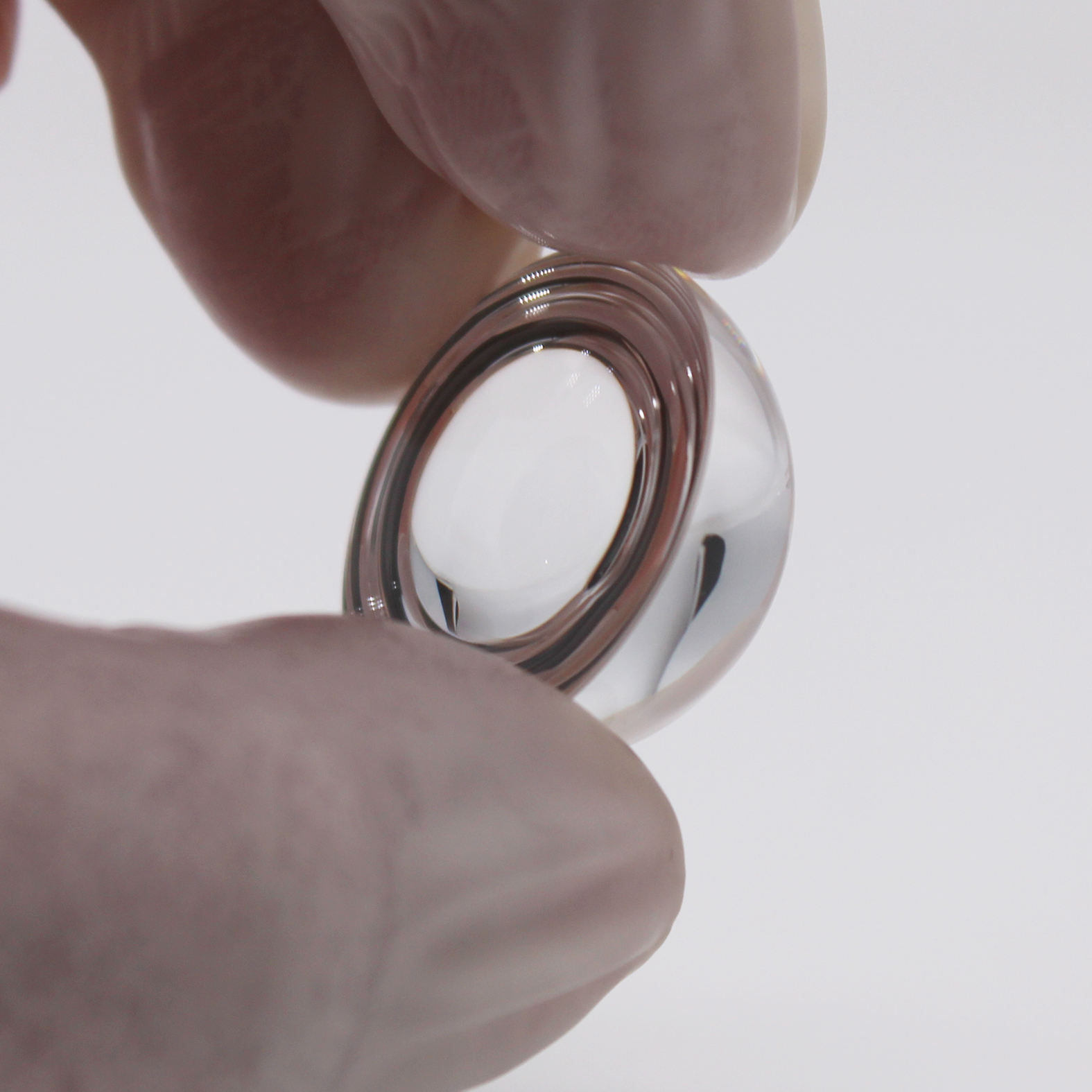


group nameCustom Special Optical Lenses
Min Order1 piece
brand nameFELIX GLASS optical glass Manufacturing base
modelFG-CSOC-OBL020
payment methodL/C, D/A, D/P, Western Union, T/T
update timeThu, 20 Aug 2026 20:24:19 GMT
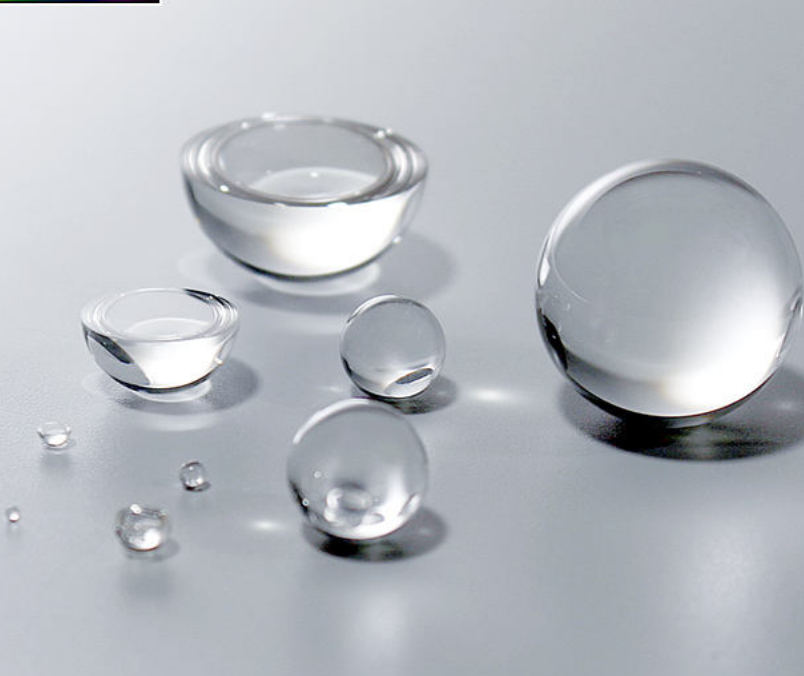
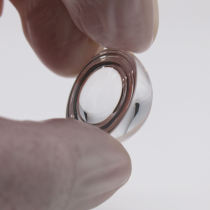
Product Type Full Ball Lens / Standard Half‑Ball Lens / Flange‑Step Half‑Ball Lens
Available Diameter 0.5 mm ~ 80 mm, custom drawing supported
Material BK7/BK9 Optical Glass, Fused Silica, Sapphire
Surface Quality 40‑20, 20‑10, 10‑5
Spherical Surface Figure λ/4, λ/8, λ/10 @632.8 nm
Flat Surface Figure(Half‑Ball) λ/4 @632.8 nm
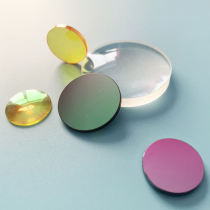
Coating Uncoated / Custom AR Anti‑Reflection Coating
Application Fiber Coupling,LiDAR,Endoscope,Optical Sensor,Machine Vision
Brand Hong Kong Felix Optical Glass Co., Limited
Min Order1 piece
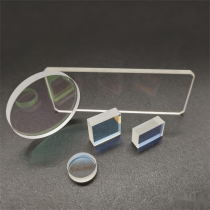
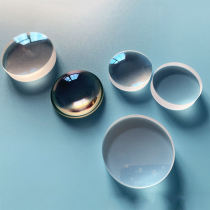
Hong Kong Felix Optical Glass manufactures high‑precision optical ball lenses and hemispherical half‑ball lenses with BK7/H‑K9L, fused silica, sapphire substrates for fiber coupling, LiDAR, endoscope, sensor collimation and industrial optical systems. We provide drawing‑based custom service including spherical radius customization, flange integrated structure, CNC grinding, high‑precision polishing, edge chamfering and multi‑layer AR / BBAR anti‑reflection coating to satisfy UV‑Vis‑NIR spectrum requirements. This product belongs to Custom Special Optical Lenses, optimized for optical engineer search intent for fiber‑optic collimating components. All parameters shown are typical reference values. Final dimension, material, coating and tolerance shall be confirmed by official engineering drawings and project specifications. Our ball‑lens series solves key engineering challenges: high‑efficiency light coupling, beam collimation, low loss transmission, scratch resistance and thermal stability for fiber optics, sensing and laser systems. Ideal spherical surface achieves high‑efficiency light coupling between optical fiber and optoelectronic devices, greatly reduces insertion loss. BK7, fused silica, sapphire cover UV, visible and near‑infrared bands, adapt to laser, fiber communication and sensing requirements. Sapphire option provides high hardness and thermal shock resistance, suitable for high‑temperature, vibration and harsh industrial working conditions. Explore more optical parts in Felix Glass product catalog. Ball lenses and hemispherical half‑ball lenses are widely adopted where high‑efficiency light coupling and collimation are required. Select substrate and structure based on spectrum, temperature and assembly constraints. Focus length, numerical aperture and coupling efficiency are determined by diameter, refractive index and surface quality. Submit drawing for optical simulation review. Hong Kong Felix Optical Glass accepts customer CAD drawings for custom ball lens and half‑ball lens production, including solid ball, hemispherical, flanged integrated structure, customized diameter, spherical radius and positioning step. Precision grinding and polishing for ball / half‑ball, tightly control spherical radius, diameter and surface figure error. Flat edge, chamfer, installation flange and positioning step for mechanical assembly and alignment. Single‑band AR, broadband BBAR coating to reduce surface reflection, improve transmittance and lower coupling loss. Strict diameter tolerance, surface quality up to 20‑10 MIL‑PRF‑13830, specification negotiable for project requirements. View our manufacturing strength on About Us. BK7/H‑K9L, fused silica and sapphire are mainstream substrates for ball and half‑ball lenses, with different transmission bands, hardness and thermal‑mechanical performance. Every finished lens goes through dimensional inspection, surface defect inspection and spectral transmittance testing before delivery. Customers can specify target wavelength and acceptance criteria according to optical design. Find more design suggestions in our technical blog. Below lists common custom options. Our engineers will evaluate manufacturability after receiving your CAD drawings. After drawing review, substrate and coating scheme confirmed, lead‑time reference as follows: For optical performance, coupling test and mechanical assembly verification. Process validation before formal mass production. Actual delivery depends on order quantity, blank stock and coating schedule. Anti‑shock foam separated packaging with export‑grade moisture‑proof carton, suitable for air freight and sea shipment. Below are typical performance descriptions. Real indicators must match project drawings and test specification. BK7 or fused silica are most common for visible & near‑IR fiber coupling. Fused silica is preferred for UV application. Send your wavelength requirement for material suggestion. Yes, we process integrated flange and positioning‑step half‑ball lens. Please provide CAD drawing including flange dimension and tolerance requirement. Yes, spectral test reports can be supplied for batch production according customer requirement for equipment qualification review. We can achieve 20‑10 MIL‑PRF‑13830 for high‑power laser use to minimize scattering and laser‑induced damage risk. Covers small micro‑size for medical probe up to large‑diameter ball lens. Send drawing for feasibility assessment. Hong Kong Felix Optical Glass owns full in‑house grinding, polishing and coating capacity, supporting prototype, pilot run and long‑term mass supply for optical equipment manufacturers. Please provide CAD drawing, substrate selection, dimension, working wavelength, coating requirement, surface‑quality grade and estimated quantity. Our optical engineers will review manufacturability and reply sample & mass‑production quotation quickly.
Hong Kong Felix Optical Glass Co., Limited · Model FG‑CSOC‑OBL020
1. Custom Optical Ball & Half‑Ball Lens Overview
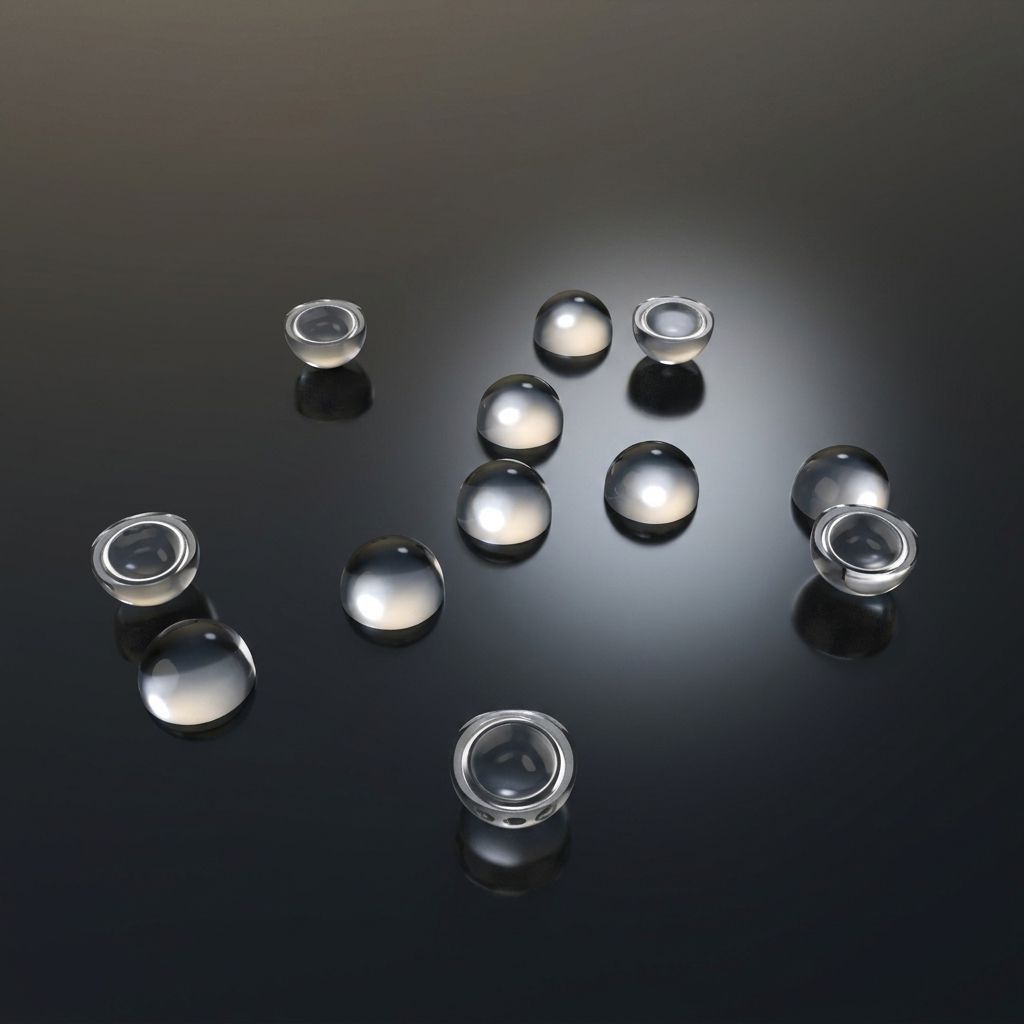 Material & optical advantages
2. Core Advantages of Ball & Half‑Ball Lenses
2.1 Excellent beam coupling performance
2.2 Multi‑substrate broadband transmission
2.3 Outstanding mechanical & thermal stability
Typical application scenarios
3. Main Application Fields for Ball & Half‑Ball Lenses
Drawing‑driven precision manufacturing
4. Custom CNC Machining & Polishing Capability
Spherical surface machining
Edge & flange processing
Anti‑reflection coating
Tolerance & surface quality control
Material selection guide
5. Substrate Optical Performance Comparison
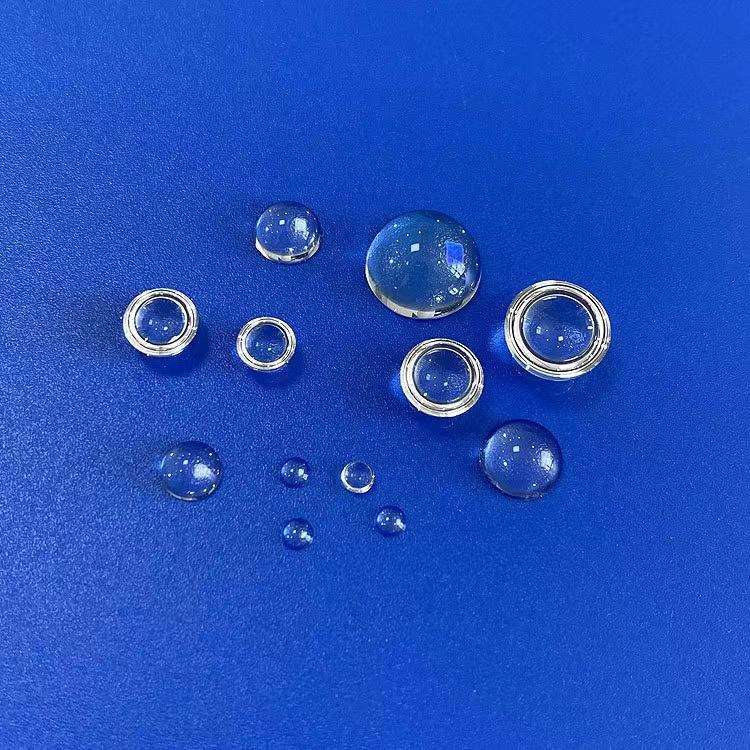 Material Selection Guide
6. Customizable Specification Parameters
Specification item
Available options
Project confirmation factor
Substrate Material
BK7/H‑K9L, Fused Silica, Single Crystal Sapphire
Working wavelength, operating temperature, mechanical requirement, cost budget
Lens Type
Solid Ball Lens, Hemispherical Half‑Ball Lens, Flanged Half‑Ball Lens
Coupling design, installation space, assembly structure
Dimension
Custom diameter, spherical radius, flange thickness, step dimension
Numerical aperture, focus requirement, mechanical constraint
Optical Coating
Single‑band AR, Broadband BBAR anti‑reflection coating
Target wavelength range, transmittance target, return loss requirement
Surface Quality
40‑20, 20‑10 MIL‑PRF‑13830
System noise threshold, laser power level
Edge / Flange Treatment
Plain edge, chamfer, integrated flange, positioning step
Housing assembly, alignment and locking structure
Sample & mass‑production lead‑time
7. Production Cycle for Prototypes & Volume Orders
Prototype samples: 10‑14 working days
Pilot small‑batch: 14‑20 working days
Mass production orders: 22‑32 working days
 Technical FAQ
8. Ball & Half‑Ball Lens Frequently Asked Questions
Which substrate for fiber coupling ball lens?
Can flanged half‑ball lens be custom‑made?
Can you provide spectral transmittance test report?
What surface quality do you support for laser application?
What is your minimum & maximum processing diameter?
Can you support long‑term OEM mass supply?
RFQ preparation checklist
Submit project requirements
Submit Your Drawing for Custom Ball‑Lens Quotation
网络文化经营许可证:浙ICP备14006100号-11 2007-2026 Tradevv.com. All rights reserved.