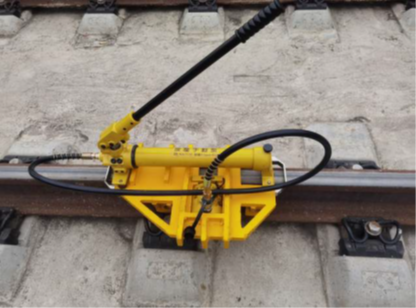


Rail Insulation Joint Dissociator
group nameRailway Maintenance Tools
-
Min Order1 piece
brand nameRailway Maintenance Equipment & Solutions
modelRail Insulation Joint Dissociator
payment methodT/T, L/C, D/P D/A
-
update timeThu, 26 Mar 2026 14:43:09 GMT
Packging & Delivery
Min Order1 piece
Briefing
The machine applies lateral shear force to create a slight displacement between the two rails at the insulated joint gap.
Detailed
Overview
The Rail Insulation Joint Dissociator applies lateral shear force to create a slight displacement between the two rails at the insulated joint gap. This displacement overcomes the bonding shear strength between the insulation plates and the rails, thereby achieving separation of the plates from the rails.
Key Features
⚪ Cost Efficiency: Reduces expenses associated with renting oxygen and acetylene equipment for disassembling insulated joint plates through flame heating.
⚪ Labor Safety: Minimizes occupational hazards linked to using sledgehammers or oxygen-acetylene torches.
⚪ Operational Productivity: Enables disassembly of one insulated joint within 1–5 minutes, significantly improving work efficiency and doubling labor productivity.
Technical Specifications
Total Weight: ≤ 60 kg
Maximum Shear Resistance: 280 kN
Supporting Tool: Hydraulic Jack (40 t)
Working Efficiency: ≤ 5 minutes (from equipment setup to complete disassembly)
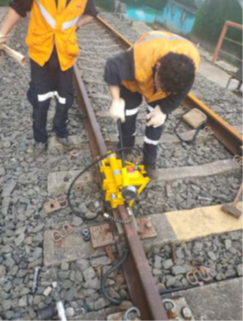
Application Effectiveness
You need a product
Related Searches
You May Like
- Nearest port for product export
- no
- Delivery clauses under the trade mode
- FOB, CFR, CIF, EXW
- Acceptable payment methods
- T/T, L/C, D/P D/A