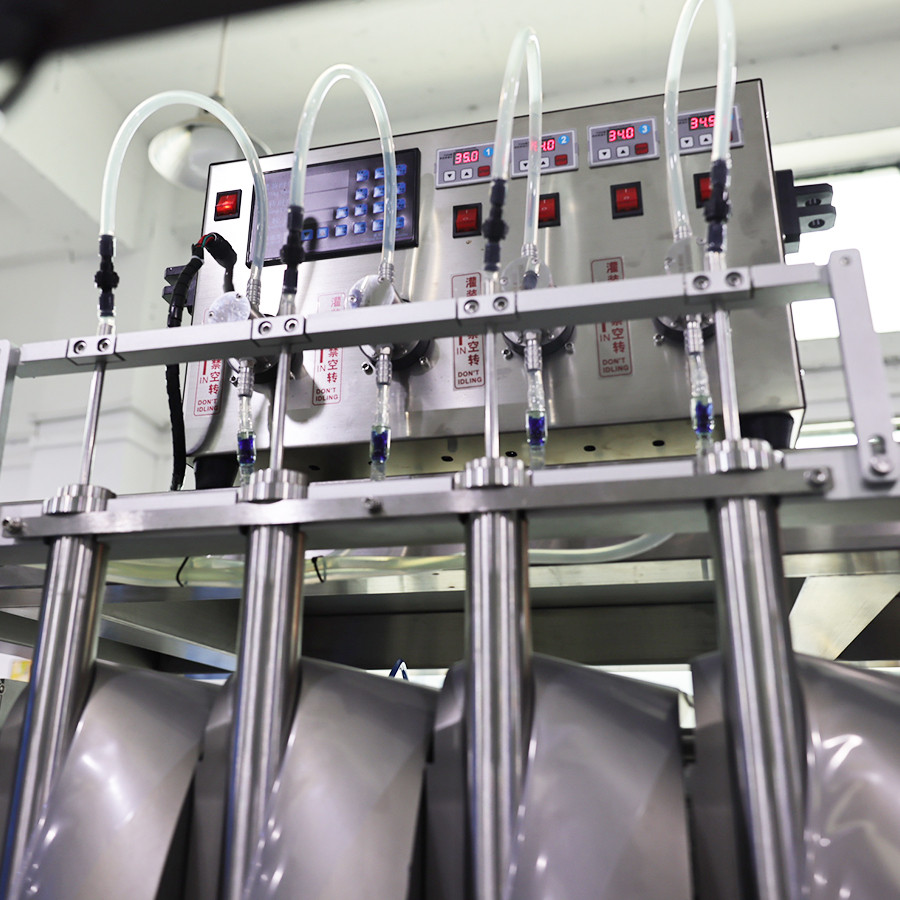


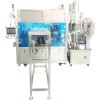
Four-lanes liquid Packing Machine manufacturer
group nameLiquid Packaging Machine
-
Min Order1 piece
brand namefame machinery packaging machines manufacturer
modelFM005
payment methodWestern Union, MoneyGram, T/T, Paypal
-
update timeSat, 22 Aug 2026 13:56:23 GMT
Paramtents
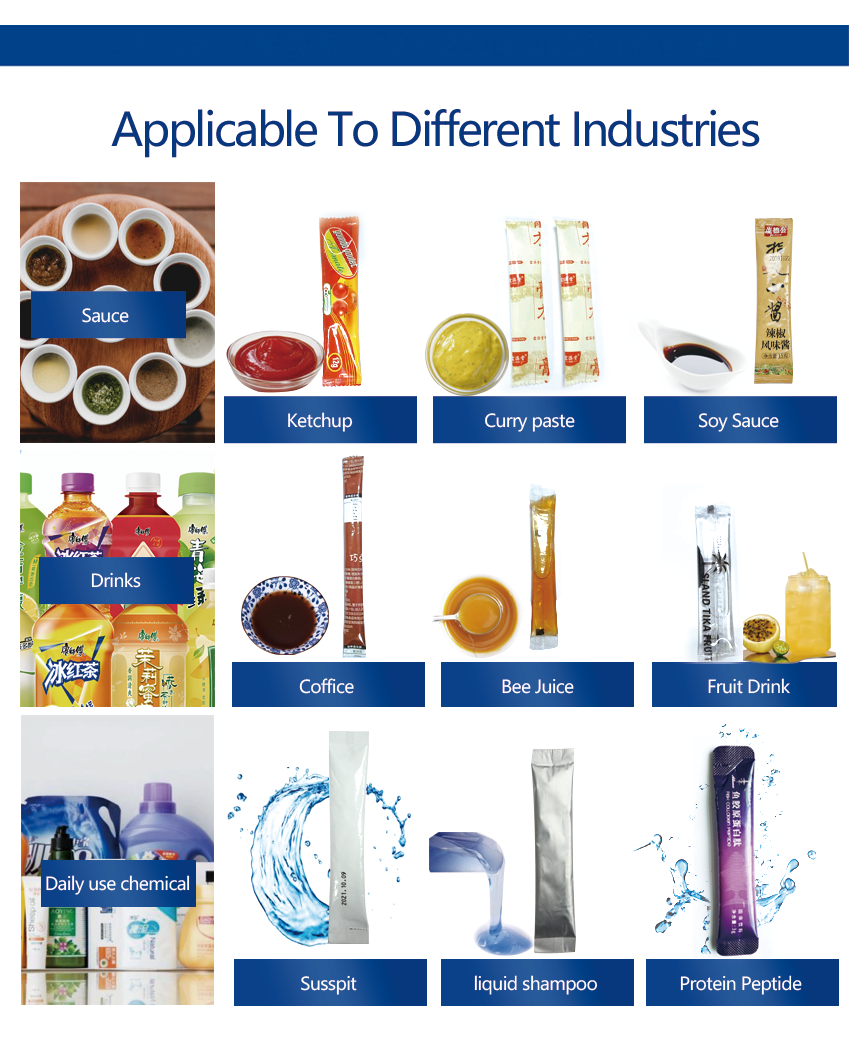
Packaging products Liquid and pastes
Filling specification 30-2000ML
Hopper size 150L(304 stainless steel )
Machine power 8Kw
Packging & Delivery
Min Order1 piece
Briefing
liquid Packing Machine manufacturer can suppy different sealing machines and filling machines,liquid packaging solution,filling machine liquid
Detailed
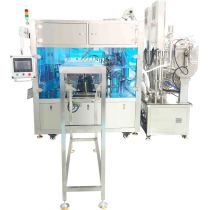
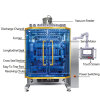
Introduction of Four-lanes liquid Packing Machine
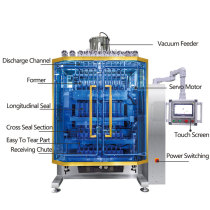
main components of a four-column/lanes liquid packing machine
I. Power and Transmission System
This is the "heart" and "muscles" of the equipment.
Main Motor and Reducer: Provides the power for the entire machine's operation and adjusts the operating speed to the appropriate level via the reducer.
Drive Shaft, Chain, Sprockets, and Synchronous Belt: Precisely and synchronously transmits power to each moving part, ensuring coordinated operation at all workstations.
II. Packaging Material Handling System
Responsible for conveying and forming the packaging film (roll film).
Film Holder: Used to hold the rolled packaging film.
Tensioning Device: Maintains stable film tension during conveying, preventing wrinkling or breakage.
Photoelectric Tracking Device (Photoelectric Eye): Detects color marks on the film, ensuring accurate pattern positioning and guaranteeing correct positioning for subsequent bag cutting and coding.
Forming Unit: One of the key components. Gradually rolls the flat film into a cylindrical shape, preparing it for filling. Four rows of machines have four forming units arranged side-by-side.
Longitudinal Sealing Device: Performs longitudinal heat sealing on the rolled film to form a continuous tubular shape.
III. Filling System
This is the "core actuator" of the equipment, determining the filling accuracy and hygiene.
Tank and Level Control: Stores the liquid to be filled and maintains a constant level through floats, level sensors, etc., ensuring stable filling pressure.
Filling Valve: The most critical component. Four-row machines typically have 4 or 8 (double-row) filling valves. Common types include:
Gravity Filling Valve: Fills using the liquid's own gravity, suitable for low-viscosity liquids.
Pressure Filling Valve: Applyes back pressure, suitable for carbonated beverages or easily foaming liquids.
Peristaltic Pump/Piston Pump Filling: Fills using precise pump metering, suitable for viscous liquids (such as yogurt, sauces) or applications requiring extremely high precision.
Quantification Mechanism: Works with the filling valves to ensure consistent volume per bag. This can be a volumetric cup, an adjustable-stroke piston, or a servo control system.
IV. Horizontal Sealing and Cutting System
Completes the sealing and separation of the packaging bags.
Horizontal Sealing Device (Horizontal Sealing Roller or Horizontal Sealing Clamp): Another core component. It performs horizontal heat-sealing on the liquid-filled film tubes, forming individual bags and simultaneously cutting the connection between bags. Horizontal sealing typically integrates:
Heating Element (Heating Wire/Thermistor): Provides the heat required for sealing.
Cutter: Located in the middle of the horizontal sealing grooves, used for cutting.
Date Printing Device: Imprints the production date, batch number, etc., onto the sealing edge during sealing.
V. Control and Electrical System
The "brain and nervous system" of the equipment.
PLC (Programmable Logic Controller): Controls the overall machine's operating logic, timing, and actions.
Human-Machine Interface (Touch Screen): Used for parameter setting (such as bag length, temperature, output), operation control, and fault display.
Frequency Inverter: Regulates the main motor speed, thereby controlling the production speed.
Temperature Controller: Precisely controls the temperature of the longitudinal and horizontal sealing processes to ensure sealing quality.
Various sensors (proximity switches, photoelectric switches, etc.): Detect the position and status of various components of the equipment and provide feedback to the PLC for precise control.
VI. Frame and Housing
Main Frame: A robust steel structure supporting all components.
Stainless Steel Panel and Protective Cover: Meets food hygiene requirements, protects operator safety, and prevents foreign objects from entering.
VII. Auxiliary Systems (Optional, depending on configuration)
CIP Cleaning System: Can be connected to an on-site cleaning unit for automated cleaning without disassembling internal pipelines.
Nitrogen or Vacuum Inflator: Used for filling and filling fresh products.
Checkweigher or Rejection Device: Detects and automatically rejects products that do not meet weight requirements.
Coding Machine (Independent of Horizontal Seal Date): Such as an inkjet printer, prints information at specific locations on the bag surface.
You need a product

You May Like

6YRS Guangzhou Fame International Trade Co.,Ltd
- Nearest port for product export
- Guangzhou
- Delivery clauses under the trade mode
- FOB, CFR, CIF, EXW
- Acceptable payment methods
- T/T, MoneyGram, Credit Card, PayPal, Westem Union, Cash