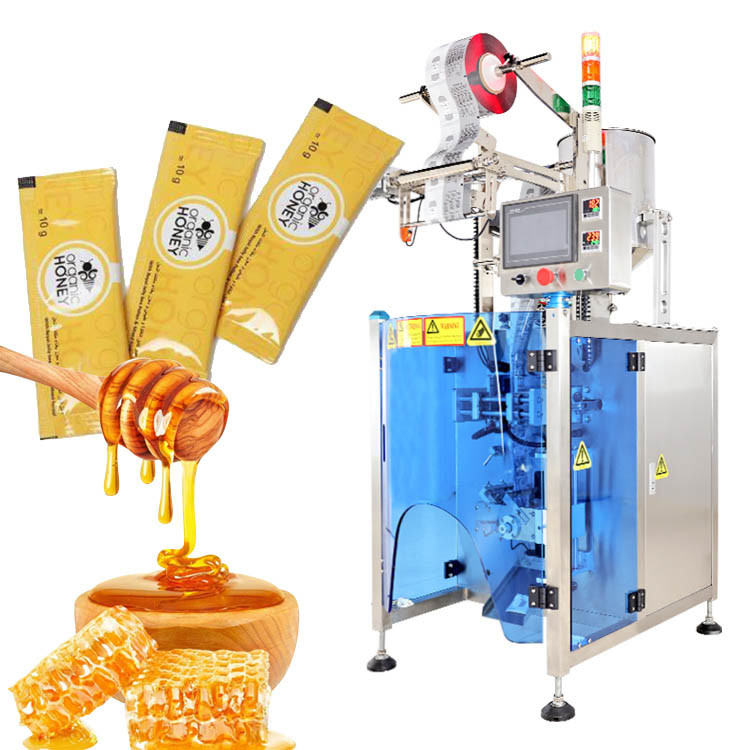


High Speed Automatic Packing Machine Food Packaging Solutions Supplier
group namePaste Packaging Machine
-
Min Order1 piece
brand namefame machinery packaging machines manufacturer
modelFM007
payment methodWestern Union, MoneyGram, T/T, Paypal
-
update timeFri, 02 Oct 2026 14:07:39 GMT
Paramtents
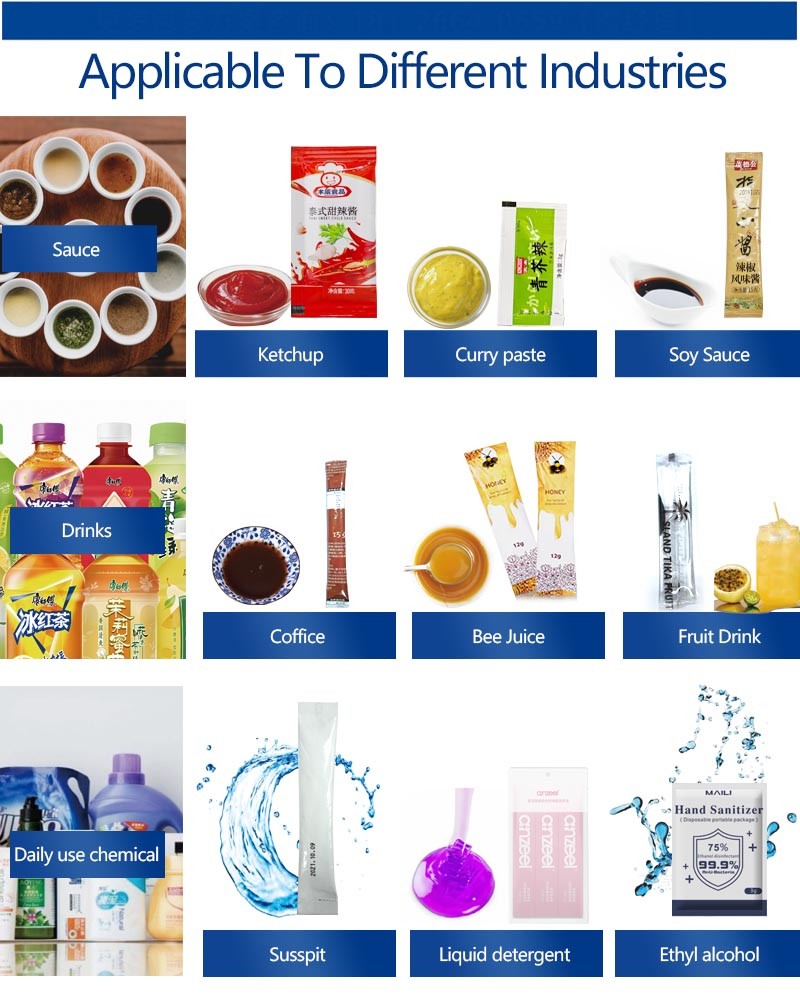
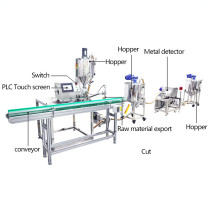
Packaging products Liquid and pastes
Filling specification 30-1000ML
Hopper size 150L(304 stainless steel )
Machine power 6Kw
Packging & Delivery
Min Order1 piece
Briefing
Automatic Packing Machine manufacturer can suppy different sealing machines and filling machines,paste packaging solution
Detailed
Introduction of High Speed Automatic Packing Machine
The advantages of high-speed paste automatic packing machine/bagging machines are mainly reflected in the following aspects:
1. High Efficiency and High Capacity
Utilizing high-speed servo drives and intelligent control systems, filling speeds can reach tens or even hundreds of bags per minute, significantly improving production efficiency and meeting the needs of large-scale production.
2. High-Precision Filling
Equipped with a high-precision metering system (such as volumetric pumps and servo pistons), it can achieve a filling accuracy of ±0.5%~1% for high-viscosity materials such as pastes and sauces, reducing material waste and ensuring product consistency.
3. Strong Adaptability
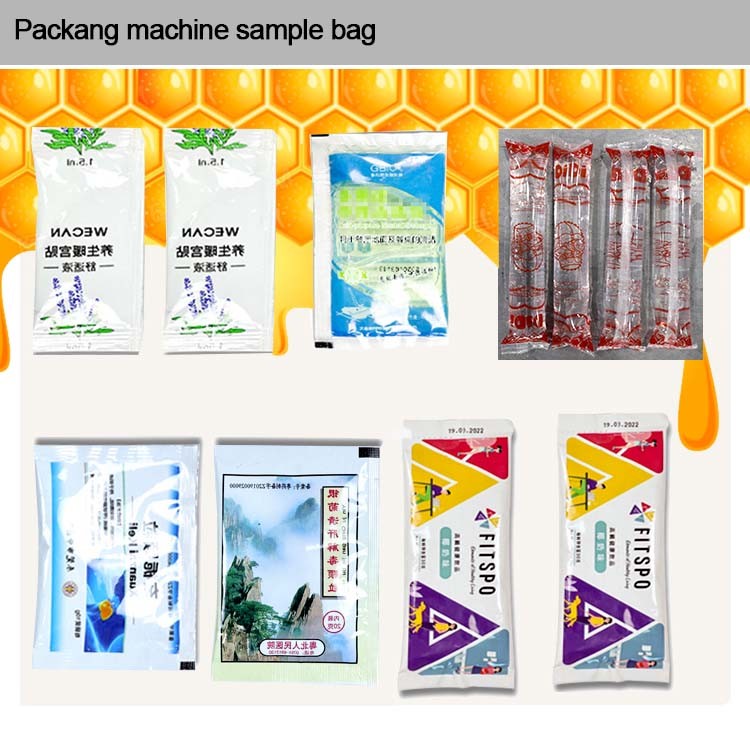
It can handle materials of various viscosity (such as jams, toothpaste, ointments, and cosmetics) and is compatible with packaging bags of different materials and specifications (such as stand-up pouches and aluminum foil bags), allowing for flexible switching through quick component changes.
4. Automation and Intelligence
Integrating automatic bag loading, opening, filling, sealing, and coding functions, reducing manual intervention. Some models are equipped with vision inspection, weight feedback adjustment, and fault diagnosis systems to improve production stability and management efficiency.
5. Hygiene and Safety Design
Made of food-grade stainless steel, compliant with GMP/HACCP standards, easy to clean and maintain. The sealed structure prevents cross-contamination, suitable for industries with stringent hygiene requirements.
6. Energy Saving and Environmental Protection
Optimized energy consumption, reduced material residue, and environmentally friendly packaging options help businesses achieve green production goals.
7. Stability and Durability
A robust mechanical structure and high-quality core components (such as imported seals and sensors) ensure long-term stable operation, reducing failure rates and maintenance costs.
8. Enhanced Product Image
Smooth sealing, accurate positioning, and aesthetically pleasing packaging enhance brand competitiveness.
You need a product

You May Like
6YRS Guangzhou Fame International Trade Co.,Ltd
- Nearest port for product export
- Guangzhou
- Delivery clauses under the trade mode
- FOB, CFR, CIF, EXW
- Acceptable payment methods
- T/T, MoneyGram, Credit Card, PayPal, Westem Union, Cash