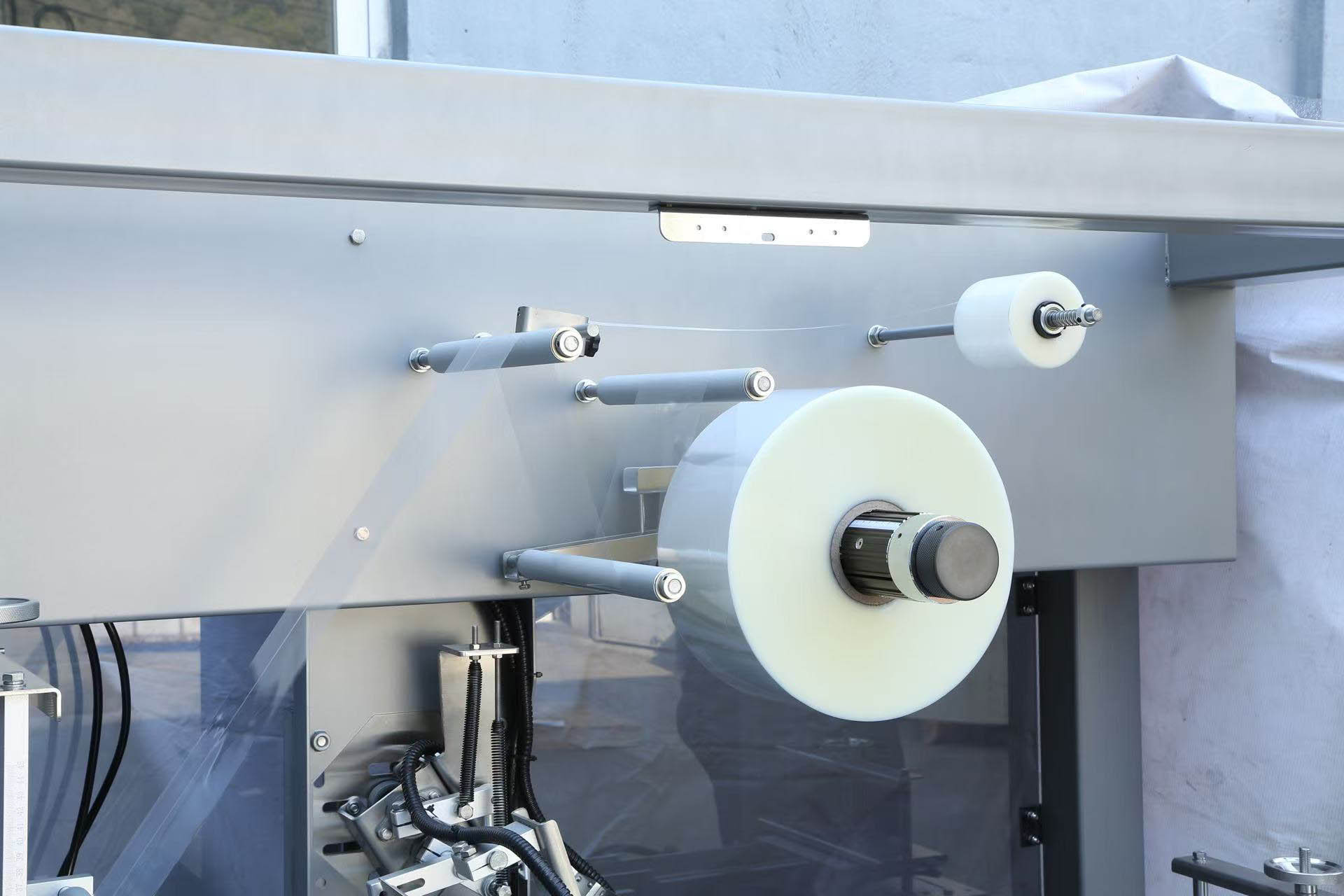


Shrink Wrapper for Medicine Boxes Packing Machine Manufacturer
group nameCarton Packaging Machine
-
Min Order1 piece
brand namefame machinery packaging machines manufacturer
modelFM015
payment methodWestern Union, MoneyGram, T/T, Paypal
-
update timeSun, 13 Sep 2026 03:19:04 GMT
Paramtents
Packaging products paper box
box specification 240*120*60
Machine power 5Kw
Packaging speed 40-80 pieces/min
Packging & Delivery
Min Order1 piece
Briefing
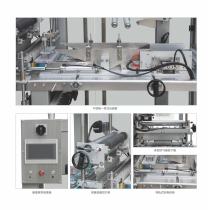
shrink wrapper Manufacturer can pack different boxes, we also can provide different packaging solutions for different industries
Detailed
Introduction of Shrink Wrapper for Medicine Boxes
Shrink wrap machine/Wrapping machines/ shrink wrapper are automated packaging equipment widely used in the food, pharmaceutical, daily chemical, and publishing industries. Their core feature is the use of flexible packaging materials (such as film, paper, and aluminum foil) to completely wrap the product, forming a tight and aesthetically pleasing package.
1. Cleanliness and Aseptic Requirements
Material Requirements: Use corrosion-resistant and easy-to-clean materials such as stainless steel (e.g., 304/316L) to avoid contaminating pharmaceuticals.
Structural Design: No unsanitary corners, easy to clean and disinfect; some areas must meet GMP cleanroom standards.
Contamination Prevention Measures: Equipped with dust covers, air purification systems, or laminar flow protection to prevent microbial and particulate contamination.
2. High Precision and Stability
Precise Positioning: Utilizes servo motors and high-precision sensors to ensure packaging alignment and tight sealing.
Stable Operation: Low failure rate during continuous operation, ensuring continuous and efficient operation of the pharmaceutical production line.
Gentle Handling: Features a gentle gripping and conveying design for fragile pharmaceuticals (such as ampoules) to avoid damage.
3. Multifunctionality and Flexibility
Adaptable to Various Products: Can handle different specifications of pharmaceuticals such as blister packs, vials, syringes, and ointment tubes.
Quick Changeover: Modular design facilitates quick mold changes, adapting to small-batch, multi-variety production.
Multiple Packaging Options: Supports heat shrink film, composite film, and other materials, enabling fully sealed and semi-sealed packaging.
4. Intelligent Control and Data Traceability
High Automation: Integrated PLC/touchscreen control enables automatic feeding, wrapping, sealing, cutting, and coding.
Data Recording: Complies with FDA 21 CFR Part 11 and other regulations, recording production parameters and supporting full traceability.
Self-Diagnosis of Faults: Real-time monitoring and alerts to anomalies, reducing downtime.
5. Compliance and Safety
Compliant with GMP Standards: Designed to meet Good Manufacturing Practice (GMP) requirements for pharmaceuticals.
Safety Protection: Equipped with emergency stop buttons, safety light curtains, etc., to prevent operator injury.
Environmentally Friendly Materials: Uses low-migration, non-toxic, and odorless packaging materials to ensure drug safety.
6. High Efficiency and Energy Saving
Energy-Saving Design: Employs energy-efficient motors and heat shrink systems to reduce energy consumption.
High-Speed Operation: Packaging speeds can reach dozens of pieces per minute, improving production efficiency.
Typical Application Scenarios
Blister Packaging: The outer film wrapping of aluminum-plastic blister packs.
Drug Bottle Bundle Packaging: Bundling multiple medicine bottles together for easy transport.
Medical Device Packaging: Sealed packaging of sterile products such as syringes and infusion bags.
Limitations of Shrink Wrapper for Medicine Boxes
High initial investment: The purchase cost of automated equipment is relatively high.
Specific requirements for product size: Generally suitable for products with relatively regular shapes; customized solutions are needed for highly irregular or fragile products.
Professional knowledge required for maintenance: Professional personnel are required for operation and maintenance to ensure long-term stable operation of the equipment.
In summary, the core characteristics of a wrapping machine are "high efficiency, stability, aesthetics, and flexibility." It is a key piece of equipment in modern mass production for achieving standardized and commercialized product packaging. Through automated wrapping and sealing, it plays an irreplaceable role in enhancing the appearance and protecting the product.
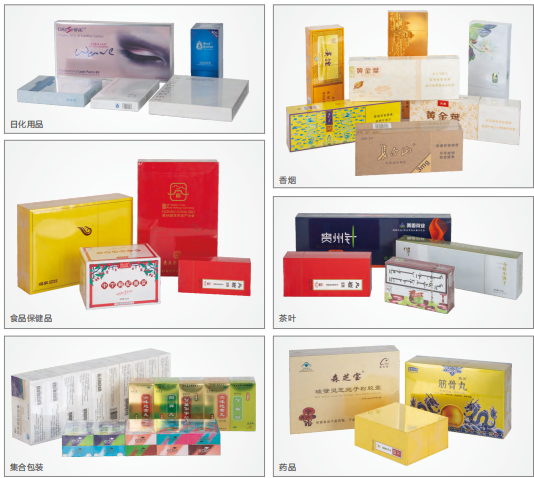
You need a product
You May Like
6YRS Guangzhou Fame International Trade Co.,Ltd
- Nearest port for product export
- Guangzhou
- Delivery clauses under the trade mode
- FOB, CFR, CIF, EXW
- Acceptable payment methods
- T/T, MoneyGram, Credit Card, PayPal, Westem Union, Cash