Medical Imaging Optics
Protective windows for cameras, illumination paths and imaging modules where abrasion resistance and optical clarity are important.
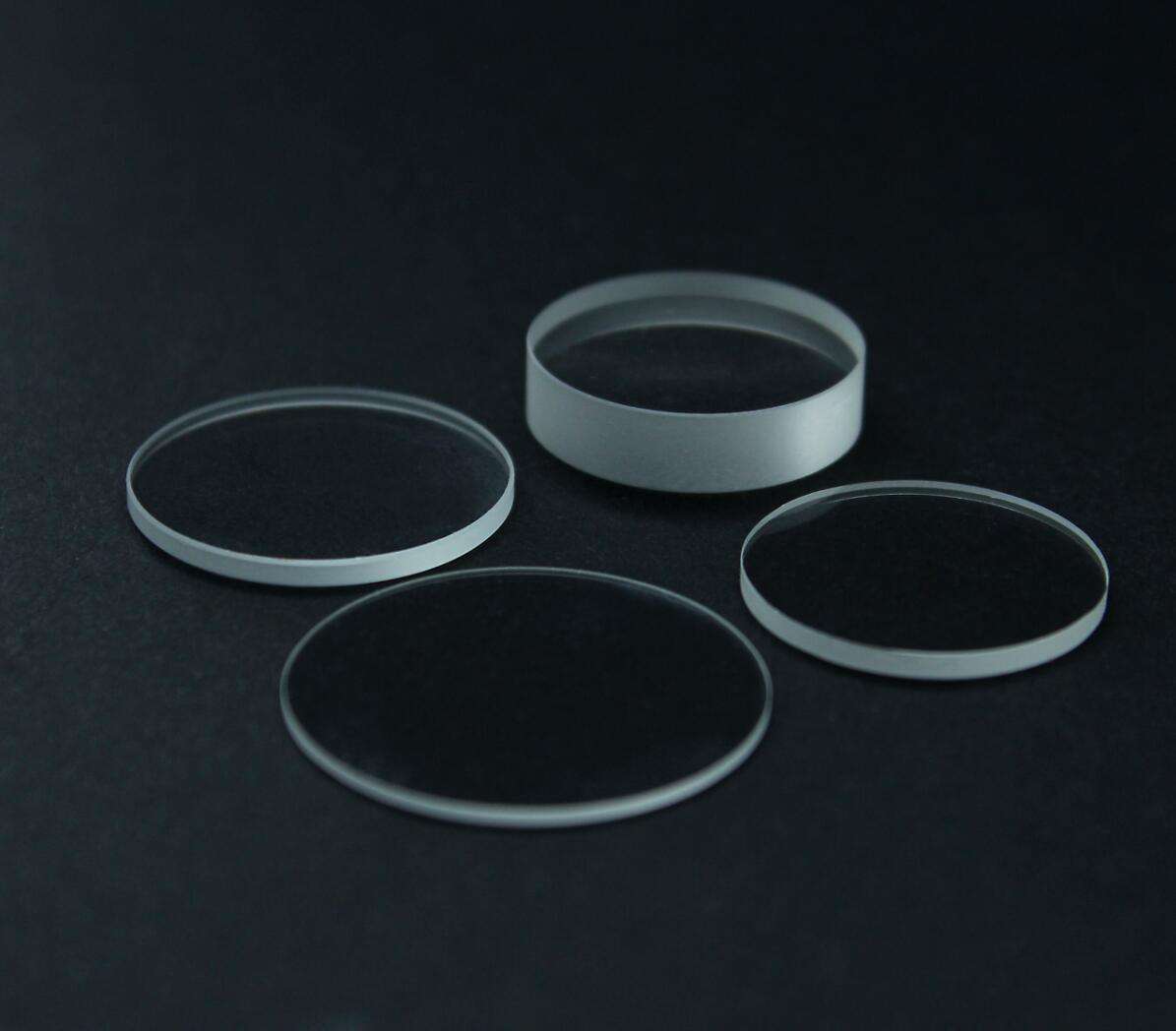


group nameSapphire Optical Windows
Min Order5 piece
brand nameFELIX GLASS optical glass Manufacturing base
modelFG-WIN-03
payment methodL/C, D/A, D/P, Western Union
update timeSat, 05 Sep 2026 13:32:00 GMT
Material Optical-grade single-crystal sapphire (Al₂O₃)
Crystal Orientation C-plane (0001), project-defined tolerance
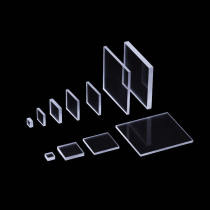
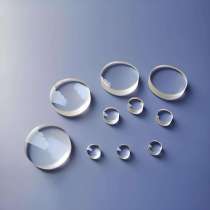
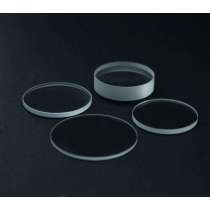
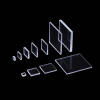
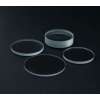
Geometry Round, square, rectangular, stepped, drilled or drawing-defined
Optical Finish Double-side polished; project-defined surface quality and flatness
Edge Finish Fine ground, polished, chamfered, beveled or stepped
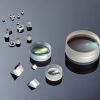
Optional Coating Custom AR or BBAR by wavelength, incidence angle and environment
Applications Medical imaging, diagnostic sensors, analytical instruments and illumination optics
Inspection Orientation, dimensions, cosmetics, flatness, transmission and coating as agreed
Size50cm x50cm x30cm
Weight0.5kg / piece
Min Order5 piece
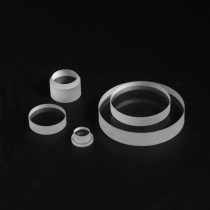
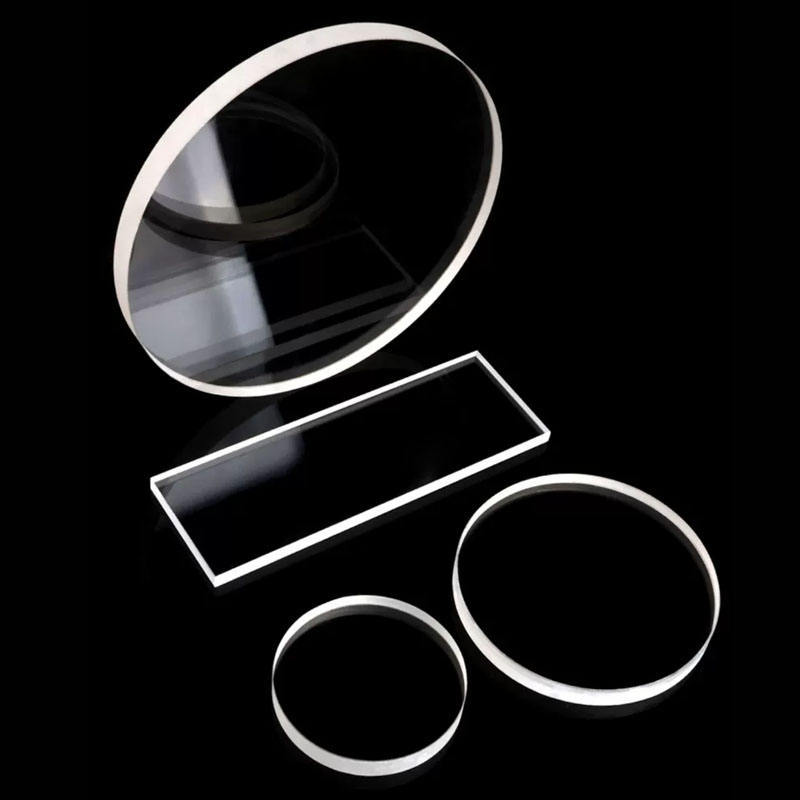
A C-plane sapphire flat window is a single-crystal Al2O3 protective optic whose polished faces are oriented to the sapphire basal plane. It is selected for medical imaging, diagnostic sensors and optical instruments that require a hard, chemically stable window with drawing-defined optical performance. Felix Glass manufactures round, rectangular and custom-shaped windows from customer drawings, with project-specific thickness, clear aperture, edge finish, surface quality, flatness and anti-reflection coating. C-plane orientation identifies the relationship between the polished window faces and sapphire's crystal axis. For optical systems operating near normal incidence, this orientation can help engineers manage polarization and birefringence behavior while retaining sapphire's mechanical and chemical advantages. Final orientation, wavelength, angle of incidence and allowable wavefront error should be defined together. Felix Glass reviews these conditions before confirming the manufacturing and inspection plan. Typical customization ranges shown for reference. Actual specifications depend on material selection and engineering requirements. Protective windows for cameras, illumination paths and imaging modules where abrasion resistance and optical clarity are important. Optical interfaces for spectroscopy, fluorescence, monitoring and other sensor assemblies designed around a defined wavelength band. Durable windows for laboratory and point-of-care equipment exposed to frequent handling, cleaning or chemically demanding media. Coated sapphire windows for beam delivery or illumination channels after wavelength, power density and angle-of-incidence review. Wavelength, polarization, incidence angle, clear aperture and allowable reflection guide orientation and coating choices. Housing geometry, sealing method, pressure differential, edge profile and mounting clearance are considered together. Share the actual cleaning agents, cycle frequency and contact conditions so the material and coating can be evaluated. Confirm drawing, C-plane orientation, wavelength, environment, tolerance and quantity. Define blank preparation, CNC shaping, edge work, polishing, coating and inspection. Inspect sample dimensions, surface condition and agreed optical characteristics. Use the approved process and inspection criteria for repeat orders and batch supply. Inspection scope should match the device risk and drawing. Common deliverables include material and orientation confirmation, dimensional results, cosmetic inspection, flatness or transmitted wavefront data, spectral transmission and coating verification. It means the polished faces follow sapphire's basal (0001) plane. The orientation should be evaluated with the system wavelength, polarization and angle of incidence. Send the drawing, orientation requirement, dimensions, tolerances, clear aperture, wavelength, surface quality, flatness, coating, cleaning exposure and quantity. Yes. Holes, steps, chamfers, bevels and non-round profiles can be reviewed for manufacturability from the drawing. Yes. Provide the operating band, angle, polarization, environmental exposure and acceptable reflectance so the coating can be evaluated. Send your medical sapphire window drawing and operating conditions for a review of C-plane orientation, geometry, polishing, coating and inspection requirements.
C-plane sapphire engineering for medical optics
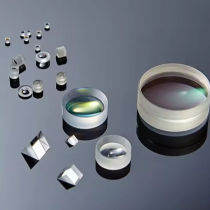
Custom C-Plane Sapphire Flat Window for Medical Equipment
Mohs 9 sapphire surface
C-plane orientation control
Medical-device optical protection
 Interest
Why Specify C-Plane Sapphire for a Medical Optical Window?
 Interest
Drawing-Defined Optical and Mechanical Specifications
Material Optical-grade single-crystal sapphire (Al2O3) Crystal orientation C-plane (0001), with orientation tolerance reviewed by project Geometry Round, square, rectangular, stepped, drilled or drawing-defined Optical finish Double-side polished; surface quality and flatness specified by application Edge finish Fine ground, polished, chamfered, beveled or stepped Coating Custom AR or BBAR coating by wavelength, angle and environmental exposure Inspection Dimensions, orientation, cosmetics, flatness, transmission and coating checks as agreed
Desire
Medical Equipment Applications
Medical Imaging Optics
Diagnostic Sensors
Analytical Instruments
Laser and Illumination Paths
 Desire
Built Around the Medical Device Assembly
Optical-path review
Mechanical integration
Cleaning exposure
Desire
Custom Manufacturing and Inspection Workflow
Requirement Review
Process Planning
Prototype Evaluation
Controlled Production
Action
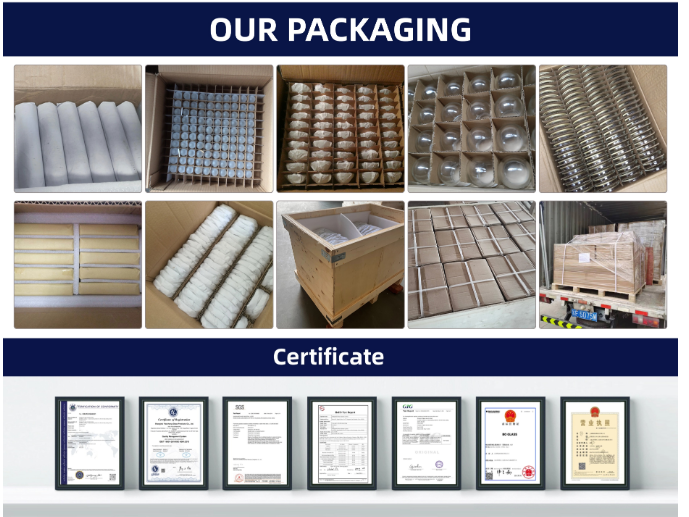
Quality Evidence to Define Before Production
Crystal orientationDimensionsScratch-digFlatnessTransmissionCoating
 Action
Engineering FAQ for C-Plane Medical Sapphire Windows
What does C-plane mean for a sapphire window?
What information is needed for a quotation?
Can the window include holes, steps or a custom edge?
Can an AR coating be optimized for a medical sensor?
Related engineering resources
Continue the Medical Optics Evaluation
ActionRequest a Custom QuoteRequest a Grade-A Engineering Review
网络文化经营许可证:浙ICP备14006100号-11 2007-2026 Tradevv.com. All rights reserved.