Mechanical Protection
Mohs 9 hardness supports exposed optical interfaces where abrasion and handling damage are practical design concerns.
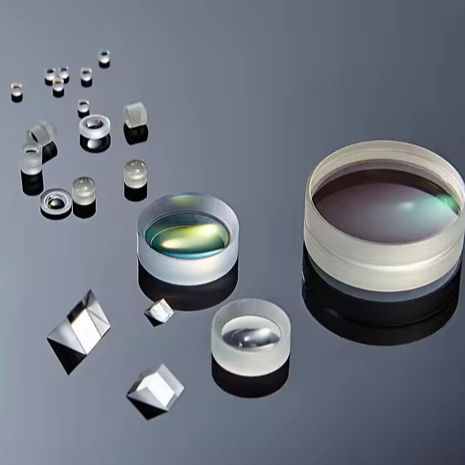


group nameSapphire Optical Windows
Min Order1 piece
brand nameFELIX GLASS optical glass Manufacturing base
modelFG-SAP-IRWIN-EOIR
payment methodL/C, D/A, D/P, T/T
update timeSat, 05 Sep 2026 11:48:26 GMT
Material Optical-grade single-crystal sapphire
Crystal Orientation C-axis or A-axis, customizable
Dimension Custom diameter, width, thickness, and shape to drawing
Angle Tolerance Not applicable to a standard flat window; define wedge if required
Surface Quality 40-20, 20-10, or tighter by specification
Surface Flatness Up to λ/10 at 632.8 nm
Clear Aperture Custom to drawing; confirm usable optical area in RFQ
Transmission 0.15 μm to 5 μm broadband material range
Coating AR or BBAR mid-IR coating to target wavelength
MOQ 1-piece sample support
Lead Time Typically 7–15 working days; confirm by design and quantity
Weight0.25kg / piece
Min Order1 piece
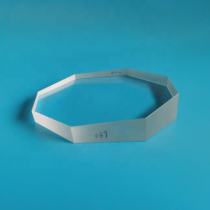
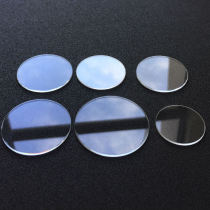
Sapphire Optical Windows for EO/IR Integration
Our IR transparent sapphire window adopts a high-purity single-crystal sapphire substrate with broadband transmission from 0.15 μm to 5 μm, supporting day-and-night EO/IR electro-optical detection systems. Mohs 9 hardness helps resist scratching, thermal shock, and harsh airborne environments.
For an Optical Engineer, R&D Manager, or Procurement Engineer, the selection decision begins with the operating band, clear aperture, allowable wavefront error, mechanical envelope, coating target, and environmental load. Felix Glass reviews these inputs before confirming a production specification.
Review the Sapphire Optics capability page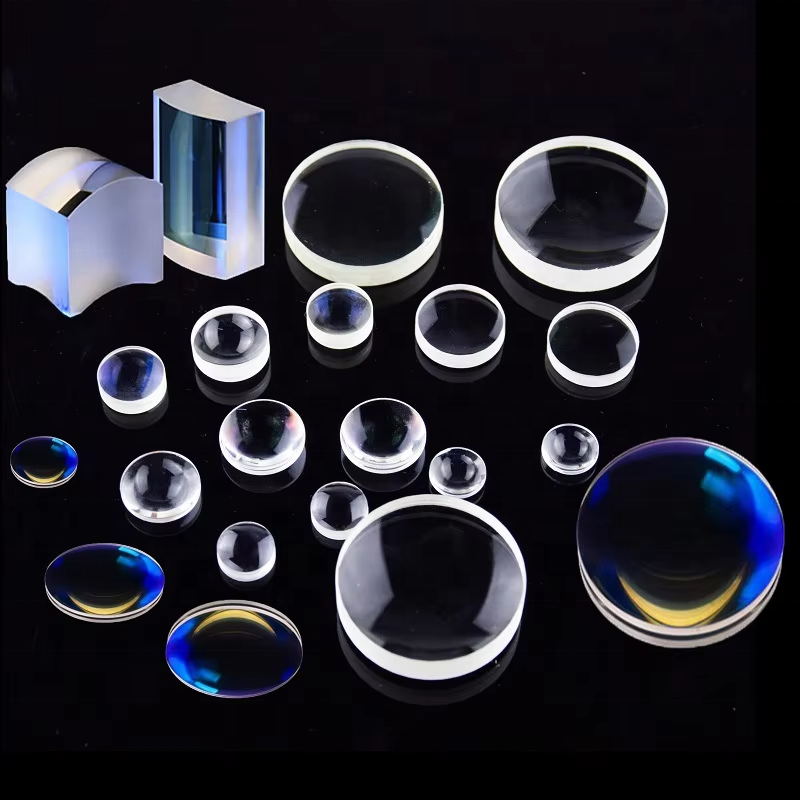
Material Fit
Mohs 9 hardness supports exposed optical interfaces where abrasion and handling damage are practical design concerns.
Single-crystal sapphire is considered when the window must tolerate temperature change while maintaining dimensional stability.
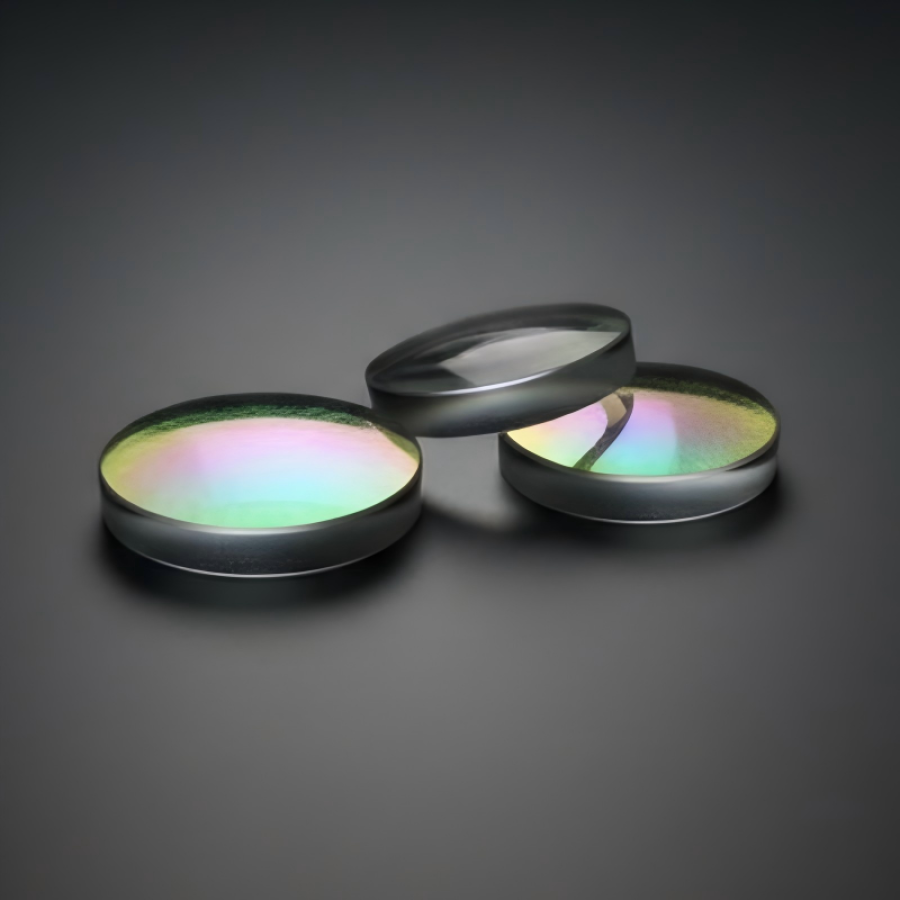
Orientation, flatness, surface quality, clear aperture, and AR or BBAR coating can be specified for the optical path.
For material comparisons and selection guidance, use the Felix Glass technical blog.
Interest
Drawing-Based Configuration
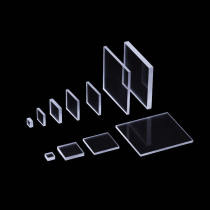
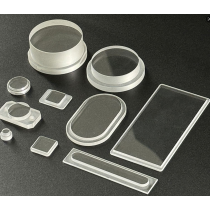
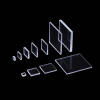
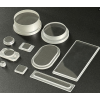
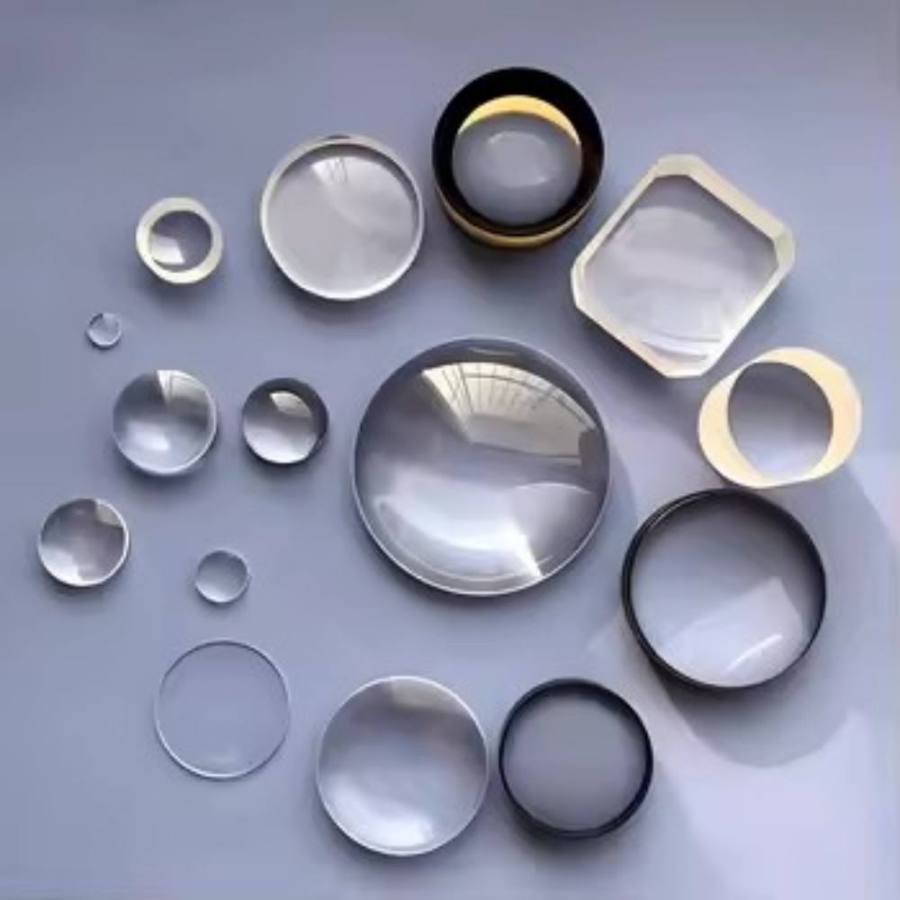
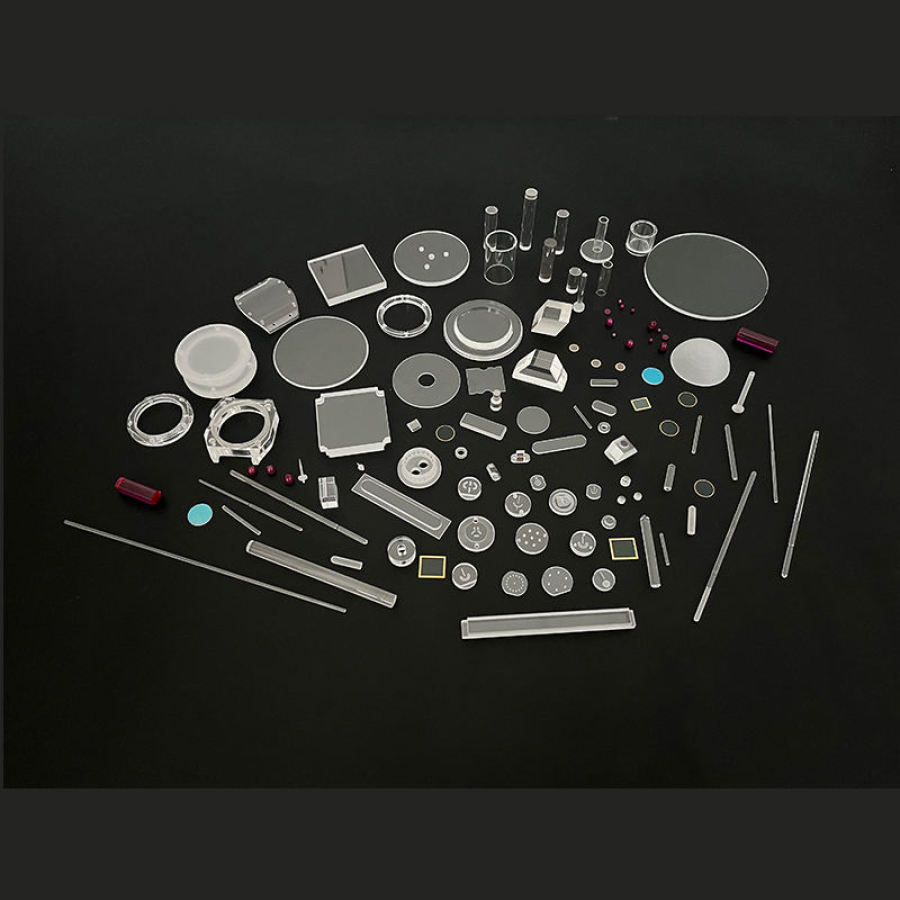
Round, square, and rectangular blanks are available with customizable diameter, thickness, edge profile, crystal orientation, and coating. Standard stock sizes may support sampling, while production terms are confirmed against the approved drawing and inspection plan.
| Material | Optical-grade single-crystal sapphire | Crystal Orientation | C-axis or A-axis, customizable |
|---|---|---|---|
| Dimension | Custom diameter, width, thickness, and shape to drawing | Angle Tolerance | Not applicable to a standard flat window; define wedge if required |
| Surface Quality | 40-20, 20-10, or tighter by specification | Surface Flatness | Up to λ/10 at 632.8 nm |
| Clear Aperture | Custom to drawing; confirm usable optical area in RFQ | Transmission | 0.15 μm to 5 μm broadband material range |
| Coating | AR or BBAR mid-IR coating to target wavelength | MOQ | 1-piece sample support |
| Lead Time | Typically 7–15 working days; confirm by design and quantity | Brand | Felix Glass Co., Limited |
Buyer Review
Provide wavelength band, incidence angle, clear aperture, flatness, surface quality, wavefront requirement, and coating target.
Define environmental conditions, test method, prototype quantity, acceptance criteria, and the path from sample validation to production.
Confirm drawing revision, quantity breaks, documentation, packaging, requested delivery date, and supplier approval requirements.
See the custom optical components FAQ for common ordering questions.
Manufacturing Control
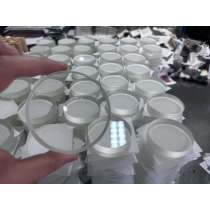
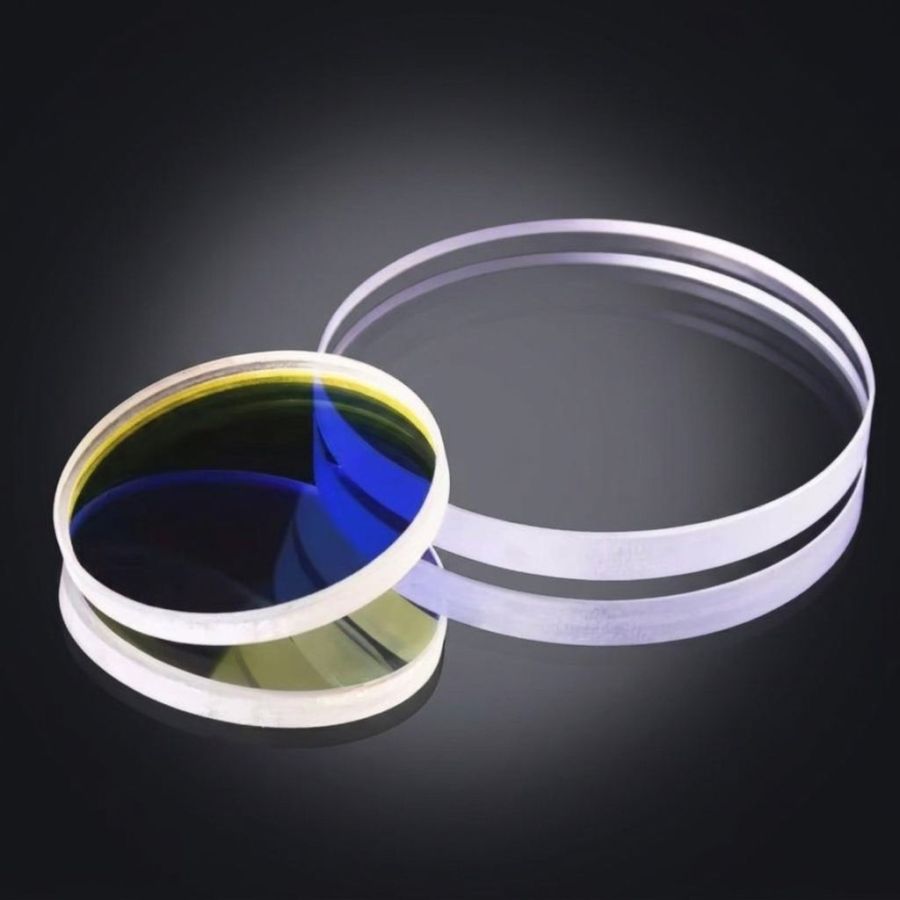
All sapphire windows go through CNC precision grinding, double-sided polishing, and interferometer flatness testing before delivery. Factory inspection records and material certification can be provided according to the order specification.
Confirm material, orientation, geometry, tolerances, coating, and acceptance method.
Use controlled cutting, CNC grinding, polishing, edge processing, and cleaning.
Apply the specified optical coating and verify required dimensional, surface, and optical characteristics.
Acceptance Planning
Material: Request material certification and crystal-orientation confirmation when required.
Geometry: Identify critical dimensions, datum scheme, edge profile, wedge, and clear aperture.
Surface: Define surface quality, flatness, scratches, chips, coating-zone limits, and cosmetic acceptance.
Optical: State the test wavelength, transmission or reflection target, incidence angle, and report format.
Desire
Protective optical windows for electro-optical targeting and imaging pods.
Windows for defense-related observation and thermal imaging assemblies.
Protective interfaces for high-temperature infrared monitoring equipment.
Hard optical protection for compact airborne sensing and imaging modules.
Optical access windows for vacuum and high-temperature IR observation.
Design Input
Technical Evaluation
Provide the drawing, dimensions, clear aperture, tolerances, surface quality, flatness or transmitted wavefront requirement, wavelength band, coating target, quantity, and delivery schedule.
C-axis or A-axis orientation can be reviewed. State the required orientation and its relationship to the optical and mechanical datums on the drawing.
Define the wavelength range, target transmission or reflection, angle of incidence, polarization if relevant, coated surfaces, environmental durability, and acceptance test method.
One-piece sample support is available. Feasibility, price, and lead time are confirmed after the drawing and inspection requirements are reviewed.
Action
A 1-piece sample is available, with a typical lead time of 7–15 working days. Felix Glass supports OEM and ODM customization for crystal orientation, coating, dimensions, edge profiles, and mechanical flange machining. Final schedule and feasibility depend on the approved drawing, inspection plan, and order quantity.
Include the current revision and identify all critical-to-function dimensions.
State the operating band, coating target, clear aperture, surface quality, and flatness.
Provide prototype and production quantities, documentation needs, and requested delivery date.
RFQ Module
To receive a project-specific review, include material, crystal orientation, dimensions, angle or wedge requirement, surface quality, surface flatness, clear aperture, transmission band, coating, quantity, and requested lead time.
网络文化经营许可证:浙ICP备14006100号-11 2007-2026 Tradevv.com. All rights reserved.