Unsupported Aperture
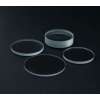
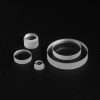
The free diameter exposed to pressure directly affects stress. Provide the clear opening, supported diameter, and contact width.


group nameSapphire Optical Windows
Min Order1 piece
brand nameFELIX GLASS optical glass Manufacturing base
modelFG-SAPP-SIGHT-HP-001
payment methodL/C, D/A, D/P, T/T
update timeSat, 05 Sep 2026 12:36:47 GMT
Base Material Optical Grade Single Crystal Sapphire (C-Plane Standard, Other Crystal Orientations Available)
Pressure Resistance Custom Rated Pressure 0.1–120 MPa, Custom Wall Thickness For Extreme Pressure
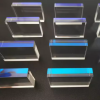
Surface Finish Double-Sided Optical Polishing, Optional Broadband AR Coating
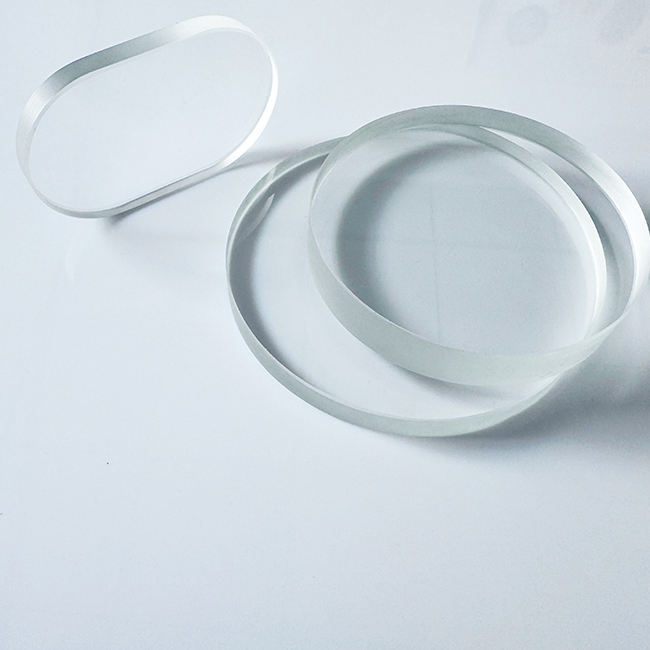
Sealing Edge Process Precision CNC Chamfer For O-Ring / Flange Sealing Assembly
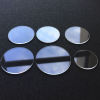
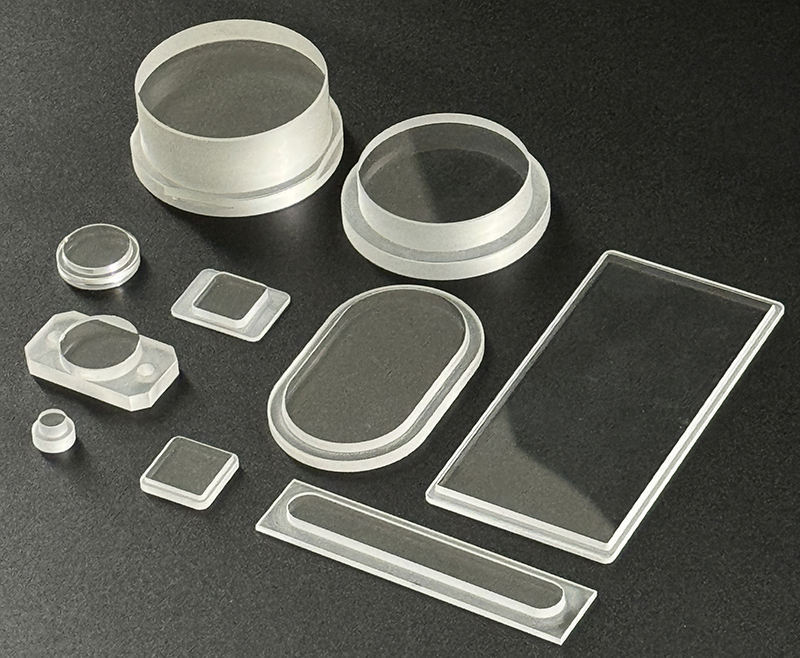
Available Shapes ound / Oval / Rectangle / Custom Cutout Sight Glass Blank
Application Field High-Pressure Furnace, Hydraulic Test Chamber, Petrochemical Pipeline, Industrial Pressure Vessel
Custom Machining Cutting, Drilling, Countersinks, Slots, Laser Marking, Edge Chamfering
Weight0.25kg / piece
Min Order1 piece
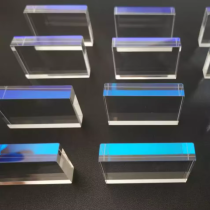
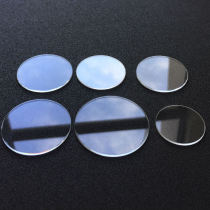
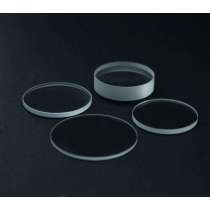
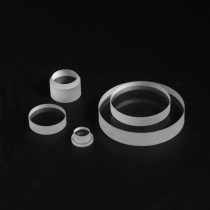
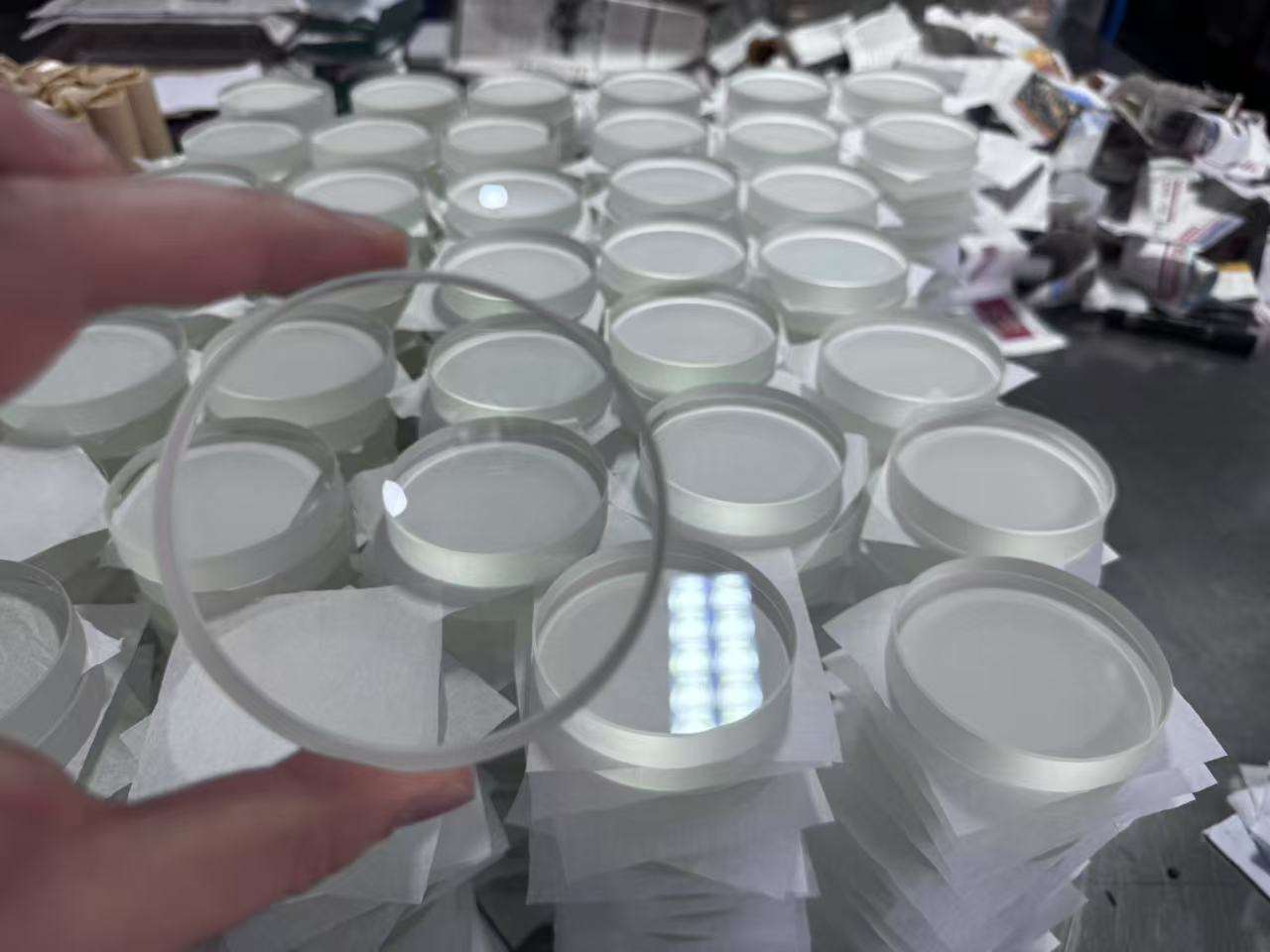
High pressure resistant sapphire sight glass provides a clear observation surface for industrial equipment that combines pressure, temperature, corrosive media, or abrasive particles. Felix Glass Co., Limited manufactures drawing-based single-crystal sapphire windows for furnaces, pressure vessels, hydraulic and pneumatic test chambers, reactors, and petrochemical pipelines.
For adjacent round, square, coated, and shaped formats, review the Sapphire Optical Windows category.
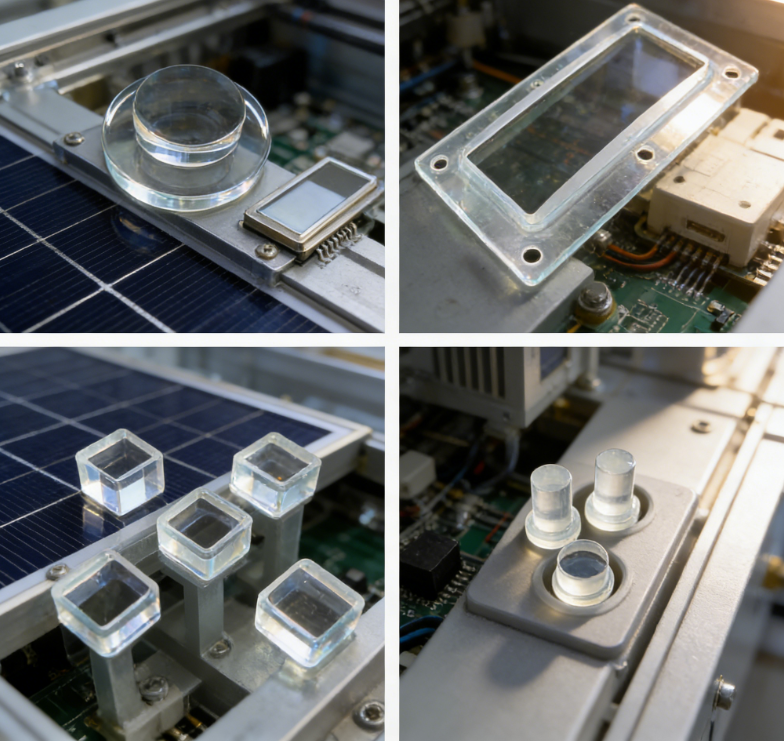
These values preserve the current product's customization directions. Final dimensions, tolerances, ratings, and acceptance criteria should be stated on the approved drawing and purchase specification.
| Parameter | Current Customization Direction | Engineering Review Note |
|---|---|---|
| Base material | Optical-grade single-crystal sapphire; C-plane standard | Other crystal orientations can be reviewed. |
| Pressure range | 0.1 MPa to 120 MPa listed customization range | Not a blanket assembly rating; pressure capability depends on the complete installation. |
| Standard thickness | 3 mm to 60 mm; thicker blanks reviewed for pressure above 50 MPa | Thickness is selected with aperture, support, temperature, cycling, and safety factor. |
| Sealing interface | O-ring, metal flange, or metal-gasket assembly | Define seal material, groove, preload, media, and surface condition. |
| Surface finish | Double-sided optical polishing | State scratch-dig, roughness, clear aperture, and cosmetic limits. |
| Surface flatness | λ/4 to λ/10 options | Specify test wavelength, aperture, and measurement condition. |
| Optional coating | Broadband anti-reflection coating | Provide wavelength, angle, temperature, medium, and coated side. |
| Edge machining | Safety chamfer, countersink, sealing step, or groove | Include datums, radii, edge limits, and seal-interface tolerances. |
Single-crystal sapphire is considered for pressure-window designs where the blank thickness and supported aperture can be matched to the load case. The listed 0.1 MPa to 120 MPa range requires project-specific review.
Sapphire resists many acids, alkalis, salt environments, oils, and moisture conditions. Compatibility must also include the coating, seal, housing, and process medium.
The current product information identifies a -196°C to 1800°C material and application design range. Continuous assembly temperature depends on the seal, coating, thermal gradient, atmosphere, and duty cycle.
CNC chamfers, steps, grooves, countersinks, and locating features can be produced from the approved interface drawing to support repeatable assembly.
Sapphire's hard surface helps resist scratching from handling, particles, and industrial exposure, supporting longer observation clarity than softer window materials in abrasive service.
For rectangular housings or drawing-based blanks, compare the square custom sapphire optical blank.
Straight cutting, round or shaped profiling, through holes, and safety-edge chamfers.
Countersinks, locating features, step edges, and grooves based on the flange and seal drawing.
Double-sided polishing, flatness control, surface-quality inspection, and optional AR coating.
Permanent laser marking for part number, drawing revision, pressure class, or batch identification when specified.
Observation windows for process monitoring where temperature, deposits, and pressure are part of the design review.
Visual access for hydraulic and pneumatic pressure testing with a defined proof-test and guarding plan.
Flow or liquid-level observation where media compatibility and the flange-seal system are specified.
Observation ports for process vessels that require coordinated pressure, temperature, and chemical-resistance criteria.
Drawing-based windows for pressure tanks and underwater systems after external pressure, sealing, and cyclic-load review.
For furnace-specific planning, see the Furnace Observation Solution. Sensor projects can reference the high-temperature industrial sensor sapphire window.
For a band-matched optical surface, review the AR-coated sapphire protection window.
The current product quality plan identifies three inspection checkpoints. Test conditions, sample quantity, documentation, and acceptance criteria should be agreed before production.

The current customization range is 0.1 MPa to 120 MPa, with thicker blanks considered for higher-pressure work. The approved rating must come from the complete assembly design and its validation plan.
Yes. Provide the flange, gasket or O-ring, groove, bolt pattern, and mating-surface drawing so chamfers, steps, countersinks, and locating features can be reviewed.
Broadband AR coating is optional. Specify wavelength, viewing angle, temperature, atmosphere, coated side, and the required transmission or reflection result.
The current product information lists -196°C to 1800°C as a material and application design range. The usable assembly range depends on seals, coating, atmosphere, thermal gradient, dwell time, and cycling.
Yes. Prototype and production quantities can be discussed after dimensions, pressure case, sealing interface, optical requirements, coating, and inspection scope are defined.
Felix Glass Co., Limited provides drawing-based sapphire blank forming, CNC machining, optical polishing, coating, marking, and inspection support for furnace, pressure-vessel, pipeline, reactor, test-chamber, and sensor projects.
Send the drawing, quantity, pressure profile, temperature range, medium, clear aperture, seal design, optical specification, coating requirement, and requested test documentation for a feasibility review and project-specific quotation.
Send Your Sight-Glass Drawing网络文化经营许可证:浙ICP备14006100号-11 2007-2026 Tradevv.com. All rights reserved.