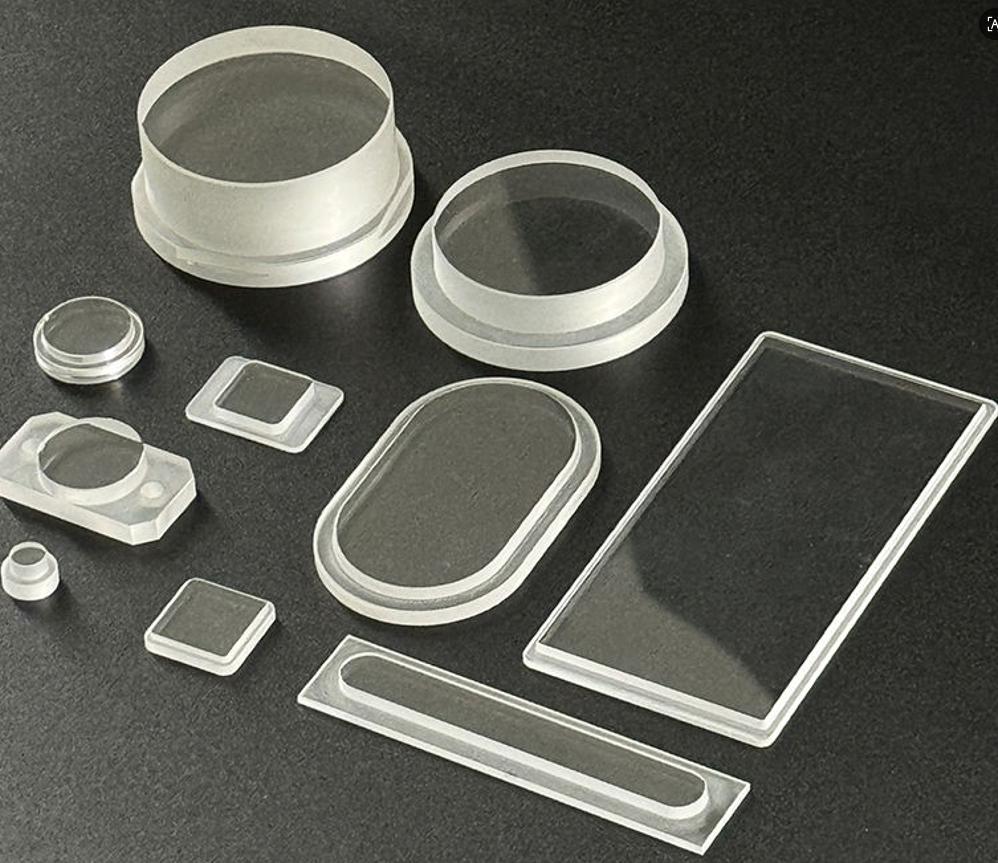


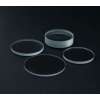
Custom Sapphire Window Manufacturer
group nameSapphire Optical Windows
-
Min Order1 bag
brand nameFELIX GLASS optical glass Manufacturing base
payment methodT/T, L/C, D/P D/A, MoneyGram, Credit Card, PayPal, Westem Union, Cash, Escrow
-
update timeSat, 05 Sep 2026 12:36:44 GMT
Paramtents
Material Optical-grade single-crystal sapphire
Crystal Orientation C-plane, A-plane, R-plane by review
Dimension Round, square, rectangular or drawing-based
Tolerance Drawing-dependent; critical dimensions reviewed
Surface Quality Commercial to optical scratch-dig specification
Surface Flatness Project-specific at agreed test wavelength
Transmission Band Typical uncoated material range: approx. 0.2-5.5 um
Coating Uncoated, AR, BBAR or custom by review
MOQ Prototype and batch quantities reviewed
Lead Time Quoted after drawing and process review
Packging & Delivery
Min Order1 bag
Briefing
Detailed
Custom Sapphire Optical Window Manufacturer
OEM Sapphire Windows for Industrial Cameras,Sensors and High Temperature Systems
Felix Glass manufactures precision sapphire optical windows for demanding industrial applications.Our sapphire solutions combine single‑crystal material,optical polishing,custom dimensions and coating capability from prototype development to mass production.
Submit Custom RFQ View Technical Spec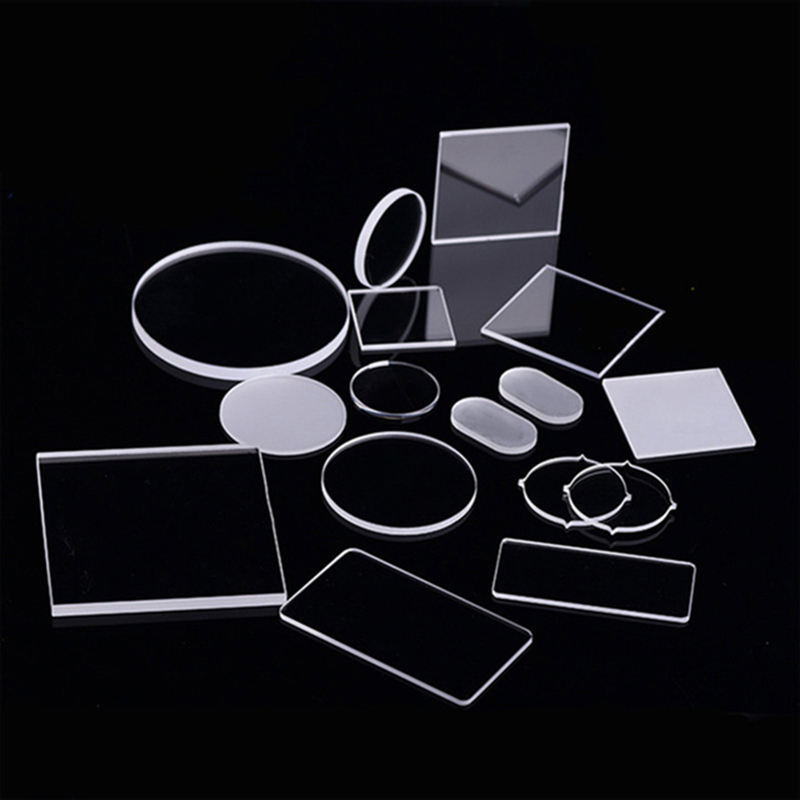
OEM Manufacturing | Custom Processing
Your Sapphire Optical Engineering Contact
Direct communication with Felix Glass engineering and sales team for custom sapphire window projects.

James Fu
International Sales Director
James supports global OEM customers with custom sapphire optical windows,sapphire domes and precision optical components for industrial cameras,sensors and high temperature optical systems.
Our engineering team assists customers from drawing review,material selection and prototype development through final production.
Custom Sapphire Window Product Solutions
Precision sapphire windows manufactured according to industrial application requirements.
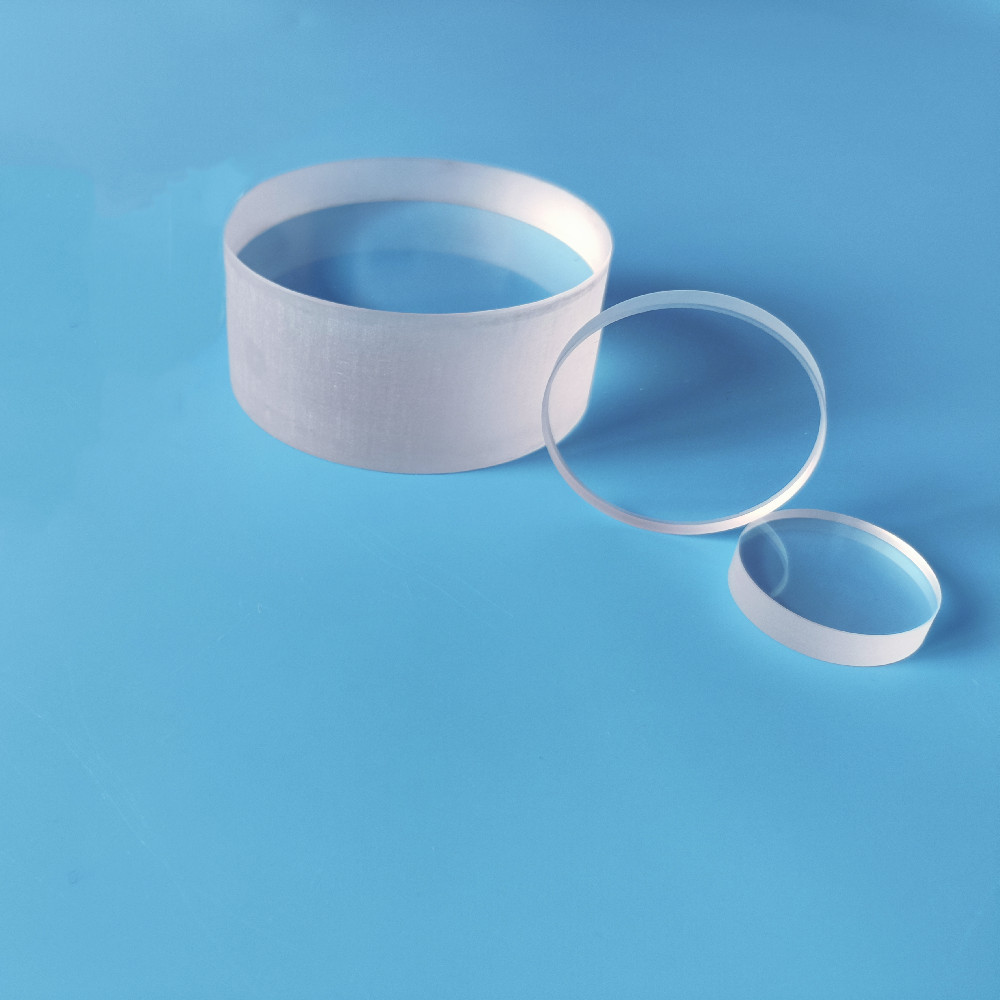
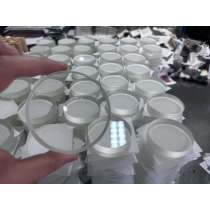
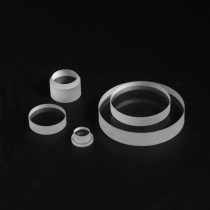
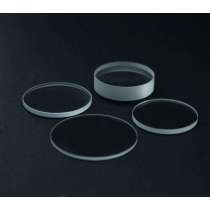
Round Sapphire Optical Window
Custom round sapphire windows for optical instruments,cameras and sensor protection systems.
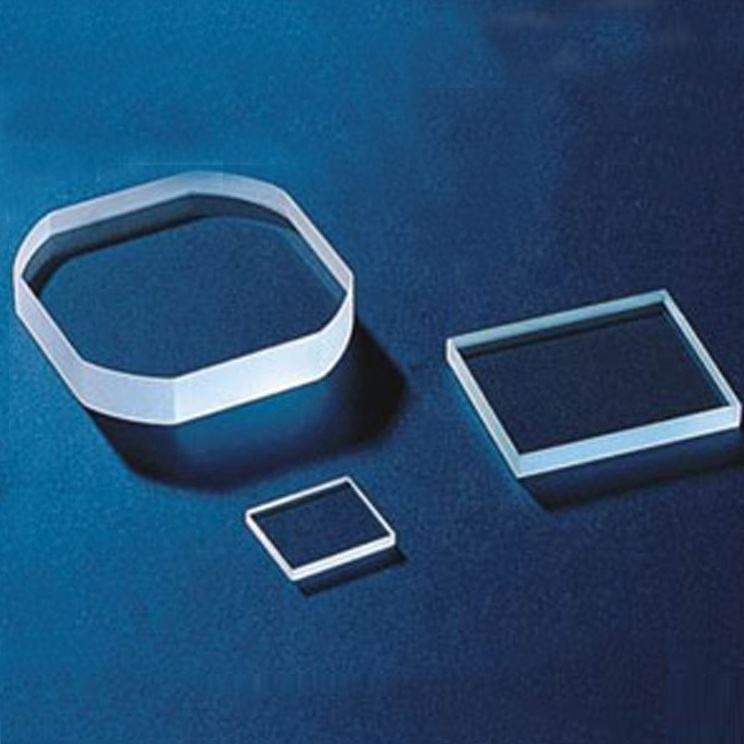
Square Sapphire Window
OEM sapphire windows with custom dimensions for industrial equipment and optical applications.
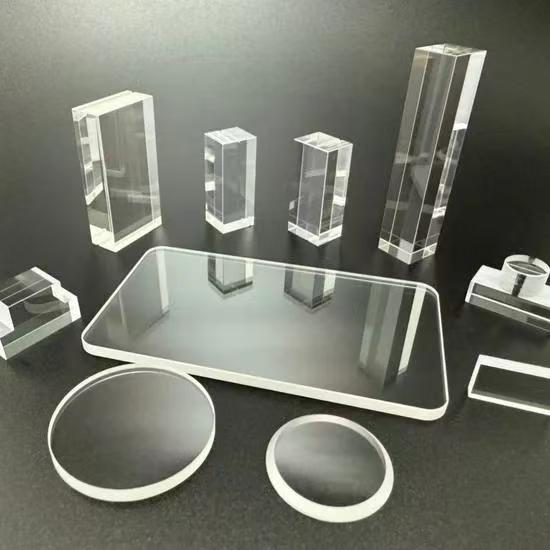
Large Sapphire Optical Window
Large size sapphire windows designed for demanding observation and protection applications.
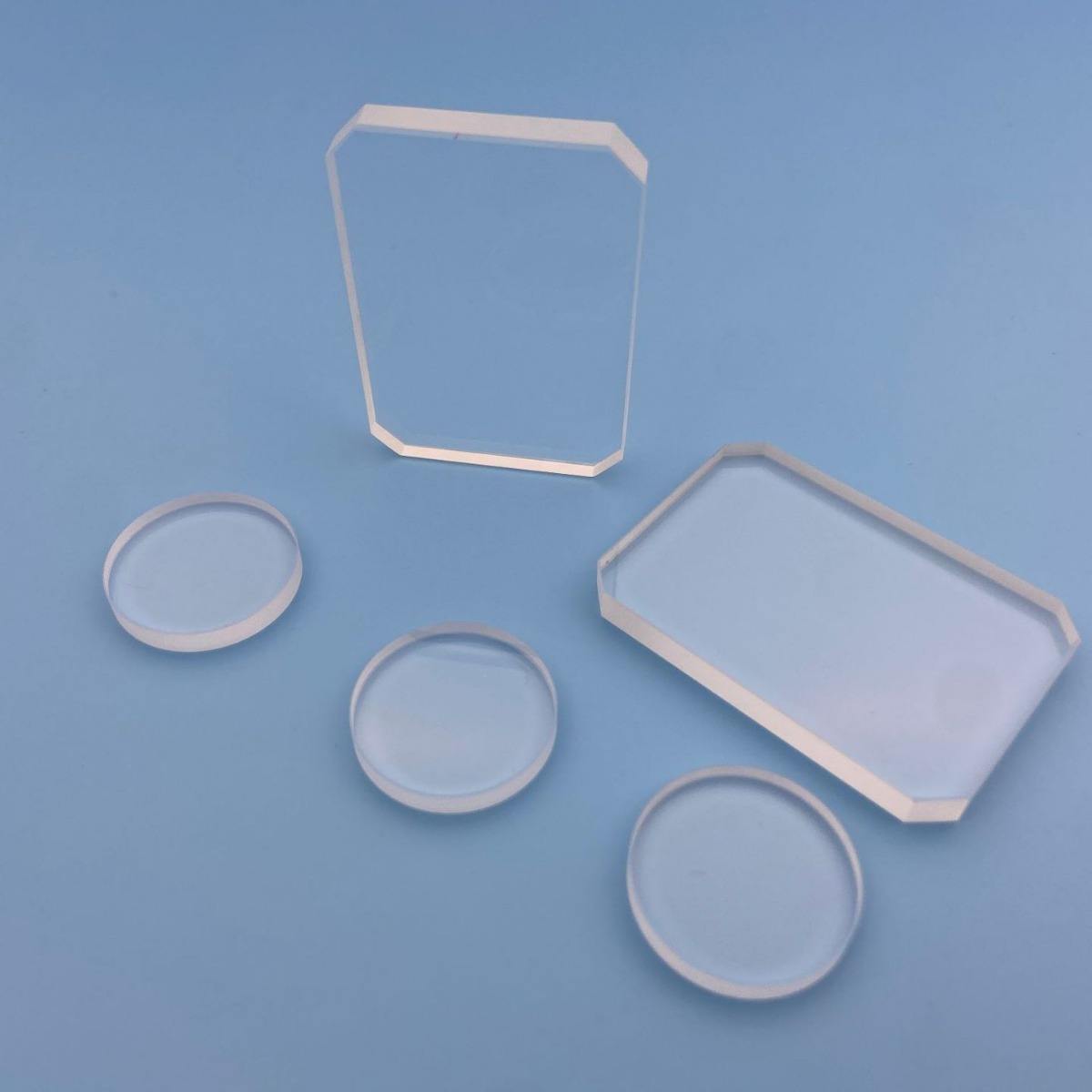
Sapphire Camera Protection Window
Scratch resistant sapphire windows for outdoor cameras and industrial vision systems.
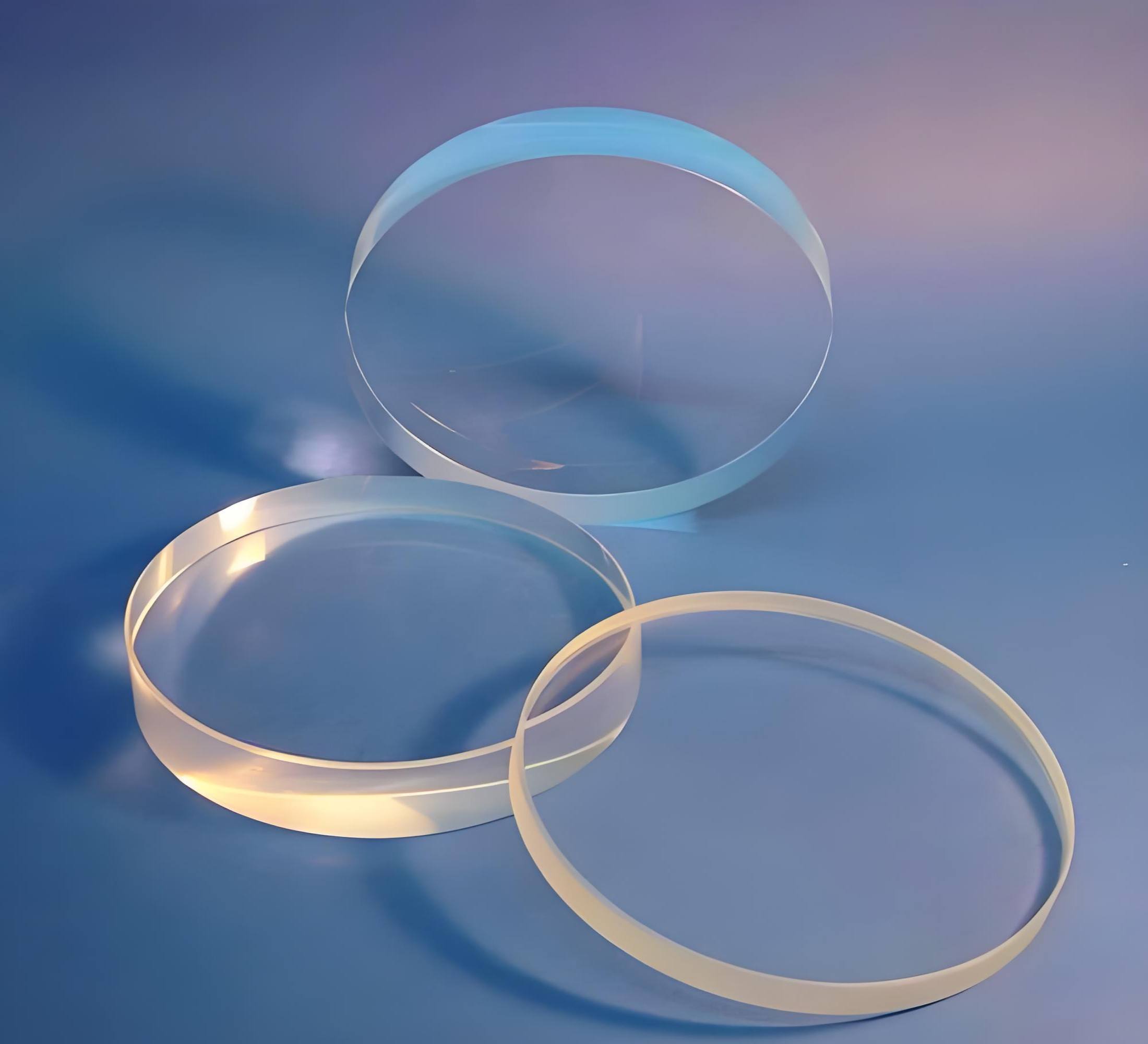
AR Coated Sapphire Window
Anti‑reflection coated sapphire windows optimized for improved optical transmission.
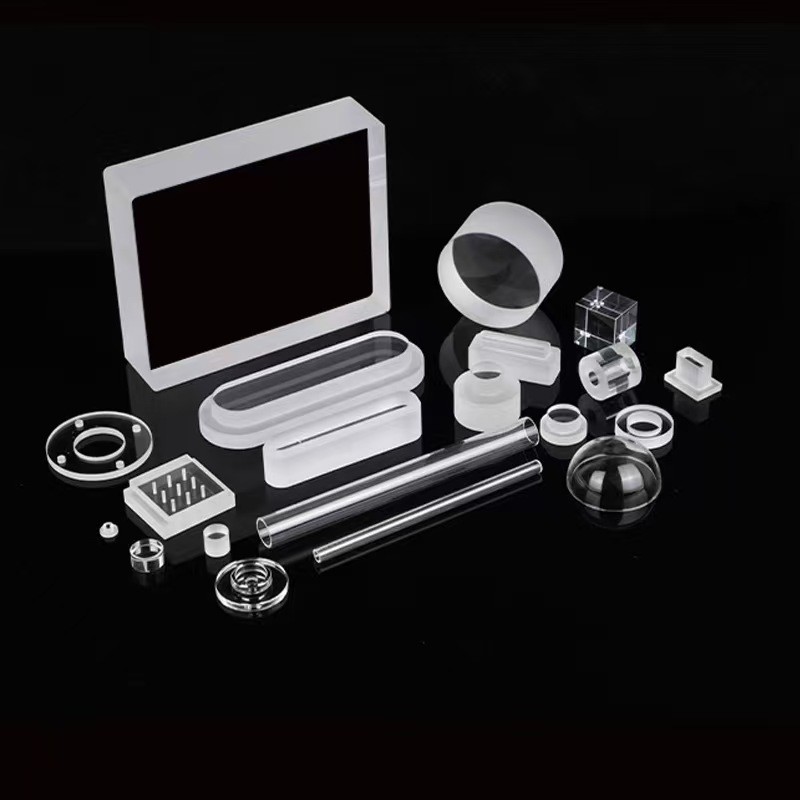
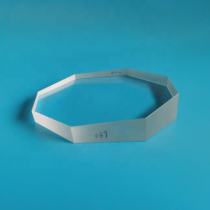
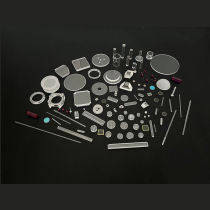
Custom Sapphire Optical Component
Custom engineered sapphire components produced according to customer drawings.
Sapphire Optical Window Technical Datasheet
Engineered sapphire windows manufactured according to customer drawings with precision processing,custom dimensions and optical coating options.
| Engineering Parameter | Manufacturing Capability |
|---|---|
| Material | Single Crystal Sapphire (Al₂O₃) |
| Crystal Structure | Single Crystal Aluminum Oxide |
| Crystal Orientation | Custom Available |
| Transmission Range | UV to Approximately 5μm IR |
| Hardness | Mohs 9 Scratch Resistance |
| Diameter Range | 5mm‑300mm Custom Size |
| Thickness Range | 0.3mm‑50mm Custom Thickness |
| Surface Quality | 10/5‑60/40 Scratch & Dig Available |
| Surface Flatness | λ/10 Precision Available |
| Parallelism | Customized According To Requirement |
| Edge Processing | Chamfering,Grinding and Polishing |
| Coating | AR Coating and Protective Coating Available |
| Production Capability | Prototype Samples to Mass Production |
Why Engineers Choose Sapphire Optical Windows
Superior mechanical and optical performance for harsh industrial,optical and high‑temperature environments.
Extreme Scratch Resistance
With Mohs hardness 9,sapphire provides outstanding surface durability for outdoor cameras,sensors and optical protection systems.
High Temperature Capability
Sapphire maintains excellent mechanical and optical performance in demanding high temperature environments.
Excellent Optical Transmission
Optical grade sapphire provides excellent transmission from ultraviolet wavelengths into infrared applications.
Sapphire Window Material Comparison
Engineers select optical materials according to hardness,temperature resistance,optical performance and application environment.
| Engineering Requirement | Sapphire | Fused Silica | BK7 Glass |
|---|---|---|---|
| Hardness | ★★★★★ Excellent | ★★★ Good | ★★ Average |
| Scratch Resistance | Excellent | Good | Limited |
| High Temperature Performance | ★★★★★ Excellent | ★★★★ Very Good | ★★★ Good |
| Mechanical Strength | High | Medium | Medium |
| UV Transmission | Excellent | Excellent | Good |
| Industrial Protection | Excellent | Good | Limited |
| Typical Applications | Industrial Cameras,Sensors,Furnace Windows | UV Optics,Laboratory Systems | General Optical Components |
How Engineers Select Custom Sapphire Windows
Felix Glass engineers evaluate application conditions before production to recommend suitable sapphire window specifications.
Operating Environment
Temperature,pressure,chemical exposure and outdoor conditions determine sapphire window design requirements.
Optical Requirement
Wavelength range,transmission requirement and coating specification influence optical performance.
Mechanical Requirement
Size,thickness,mounting method and impact resistance determine final window structure.
Manufacturing Requirement
Tolerance,surface quality,quantity and production requirements are reviewed before manufacturing.
Sapphire Window Application Solutions
Custom sapphire optical windows designed for industrial systems requiring durability,optical clarity and environmental resistance.
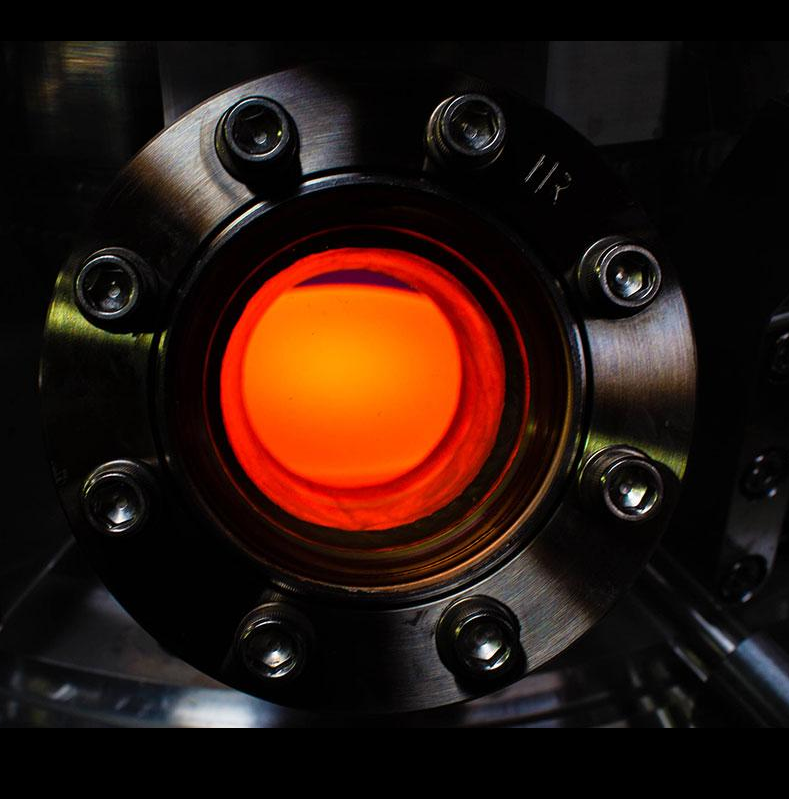
Gas Turbine Flame Detection Window
Solution: High‑temp resistant sapphire optical window
Application: Flame monitoring systems operating under continuous high‑temperature conditions.
Benefit: UV‑IR transmission and long service lifetime.
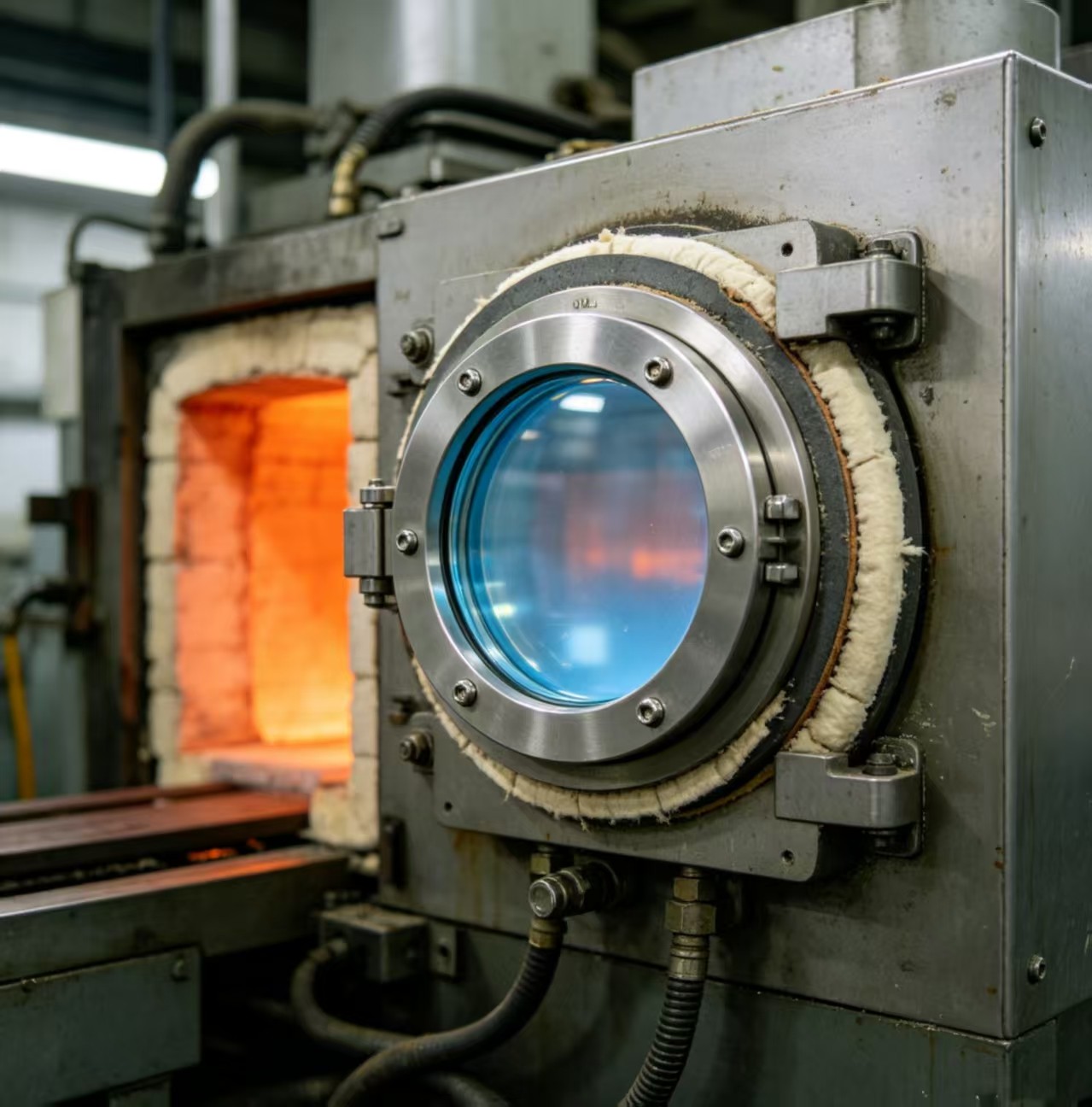
Industrial Furnace Observation Window
Solution: High‑strength sapphire observation window
Application: Industrial furnace monitoring systems.
Benefit: Thermal stability and scratch‑resistant surface.
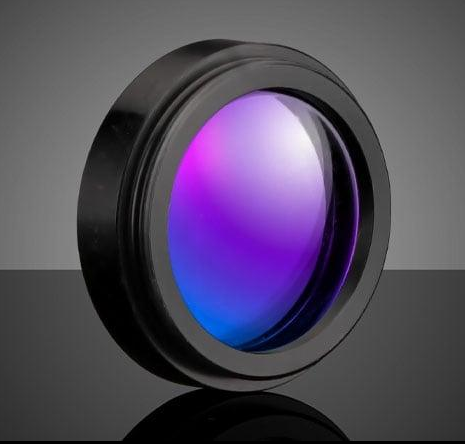
Industrial Camera Protection Window
Solution: Scratch‑proof sapphire protective window
Application: Outdoor cameras,machine vision and optical sensors.
Benefit: Weather resistance and high optical clarity.
Sapphire Window Engineering Case Studies
Felix Glass supports global OEM customers with custom sapphire solutions for demanding optical applications.
High Temperature Flame Detection Sapphire Window
Customer Requirement: Optical window for industrial flame monitoring equipment operating under continuous high temperature conditions.
Challenge: Standard glass could not provide sufficient thermal stability and service lifetime.
Solution: Custom sapphire optical window with precision polishing and protective coating options.
Result: Improved system reliability and long‑term optical performance.
Outdoor Industrial Camera Protection Window
Customer Requirement: Protective optical window for outdoor monitoring equipment exposed to dust,impact and abrasion.
Challenge: Conventional glass required frequent replacement due to surface damage.
Solution: Sapphire protection window with high hardness and optical polishing.
Result: Enhanced equipment durability and reduced maintenance requirements.
Industrial Furnace Observation System
Customer Requirement: Observation window for high temperature manufacturing equipment.
Challenge: Required stable optical performance under elevated temperatures.
Solution: Sapphire window optimized for thermal resistance and optical transmission.
Result: Reliable optical observation during continuous operation.
Sapphire Window Manufacturing Capability
Felix Glass delivers full‑chain sapphire window manufacturing for aerospace, military EO/IR, vacuum and semiconductor systems.
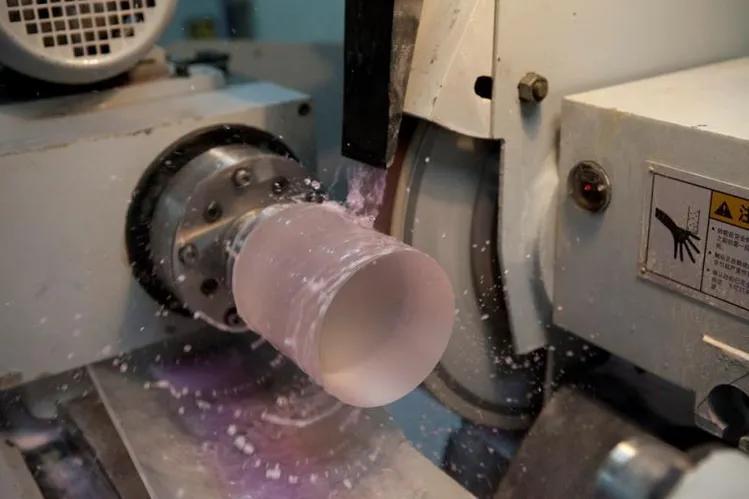
CNC Machining
Precision cutting & shaping for custom sapphire blanks with strict dimensional tolerance.
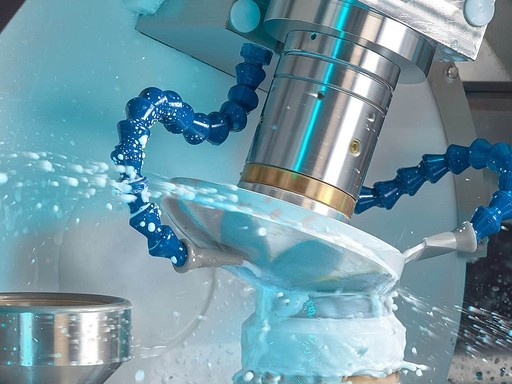
Surface Grinding
Material removal process to achieve flatness and parallelism for sapphire optics.
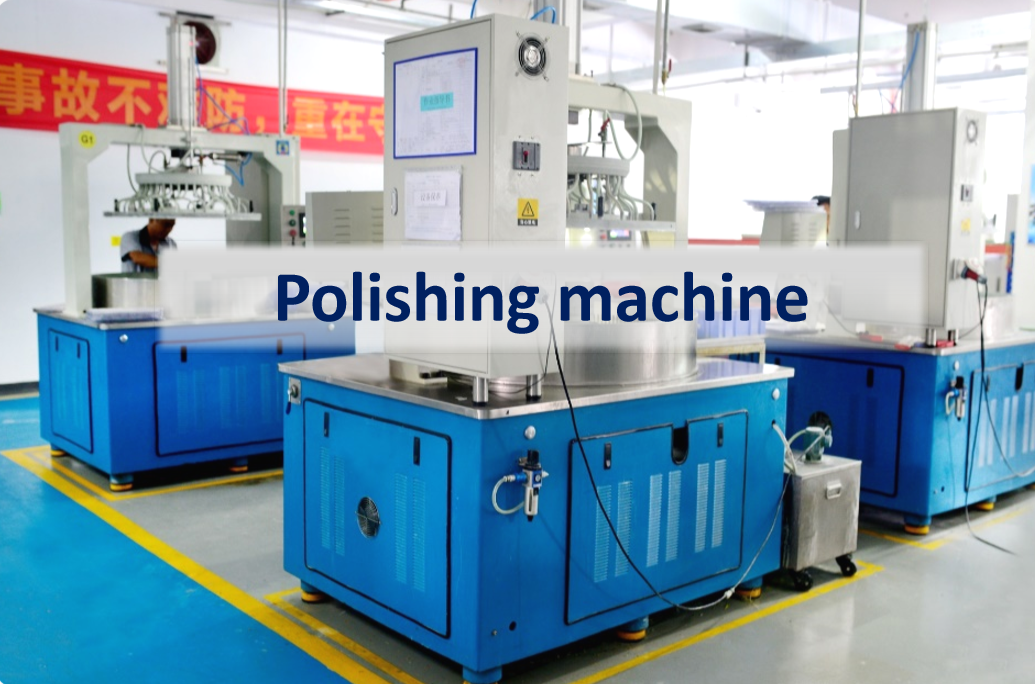
Ultra‑Precision Polishing
High‑grade surface finish for IR / UV transmitting sapphire windows.
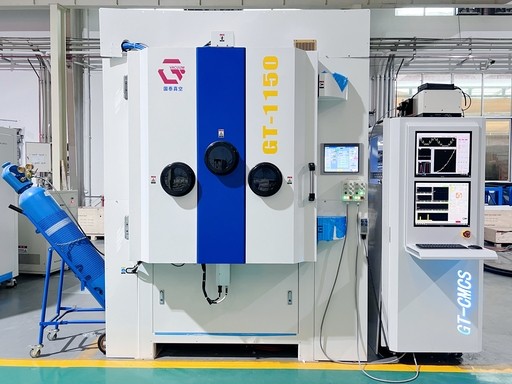
Optical Coating
AR anti‑reflective and hard coating for improved transmission & durability.
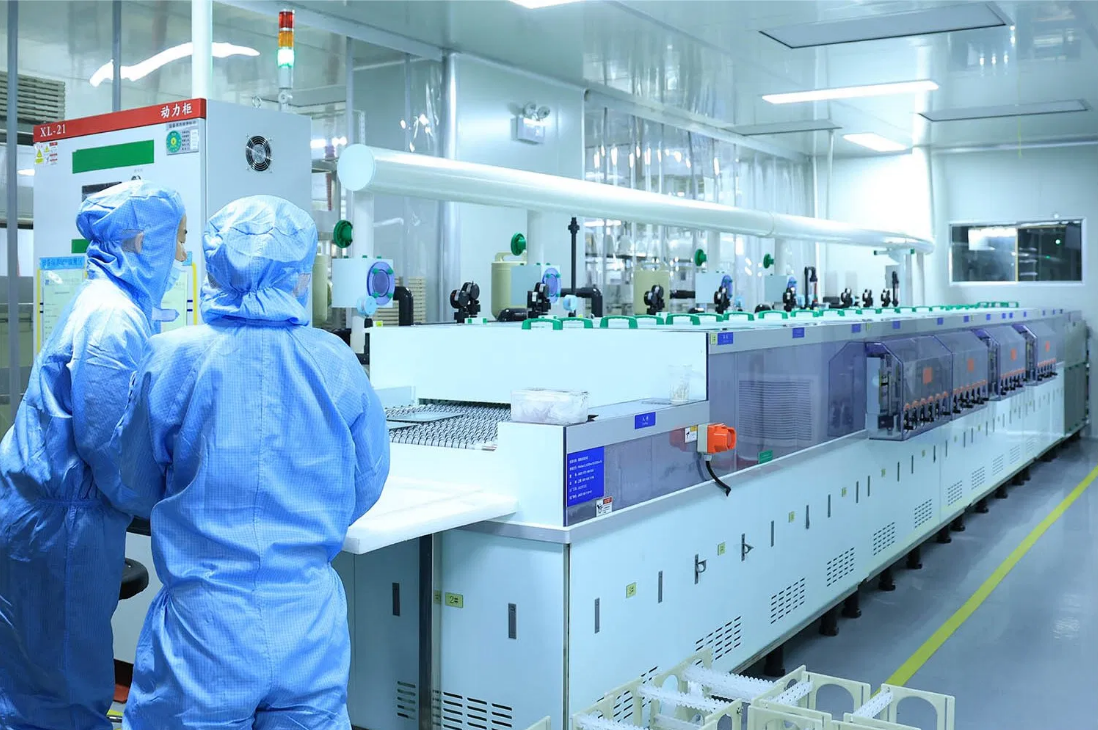
Clean‑room Inspection
Nanometer‑level dimension & surface quality verification before shipment.
Custom Sapphire Window Manufacturing Process
Our controlled production workflow supports prototype development,sample validation and long‑term OEM manufacturing.
Drawing Review
Engineering team evaluates dimensions,tolerance,application environment and optical requirements.
Material Selection
Optical grade single crystal sapphire material is selected according to project requirements.
Precision Processing
Cutting,grinding and polishing create the required optical geometry and surface quality.
Surface Treatment
AR coating and protective surface treatments are available for different applications.
Sapphire Window Quality Assurance
Felix Glass applies strict quality control throughout manufacturing to support industrial OEM optical applications.
Dimension Inspection
Diameter,thickness,shape and tolerance are inspected according to customer specifications.
Surface Quality Inspection
Optical surfaces are checked for scratches,digs,polishing quality and appearance requirements.
Optical Performance Verification
Transmission and coating requirements can be evaluated according to wavelength and system requirements.
Packaging Protection
Clean packaging methods minimize contamination and protect precision optical surfaces.
Certification & Technical Documents
Felix Glass provides supporting documents for international industrial OEM customers.
Quality Management
Material Compliance
European Compliance
Sapphire Spec Sheet
AR‑Coating Test Data
Frequently Asked Questions About Sapphire Windows
Can Felix Glass manufacture custom sapphire windows?
Yes. Felix Glass manufactures custom sapphire optical windows according to customer drawings,dimensions,tolerances and application requirements.
What applications use sapphire optical windows?
Sapphire windows are widely used in industrial cameras,sensors,furnace observation systems,flame detection equipment and optical protection applications.
What sizes of sapphire windows can you manufacture?
Felix Glass supports customized sapphire windows in different diameters,thicknesses and shapes according to customer specifications.
Can you provide AR coated sapphire windows?
Yes. AR coating and protective coating options are available according to wavelength requirements and application conditions.
Do you support prototype and mass production?
Yes. Felix Glass supports prototype evaluation,sample development and long‑term OEM production programs.
Request Custom Sapphire Window Engineering Evaluation
Submit your specifications, application info or technical drawing. Our optical engineers will evaluate your project and offer suitable sapphire window solutions.
You need a product
You May Like

- Nearest port for product export
- Shenzhen, Guangzhou
- Delivery clauses under the trade mode
- FOB, CFR, CIF, EXW, FAS, CIP, FCA, CPT, DEQ, DDP, DDU, Express Delivery, DAF, DES
- Acceptable payment methods
- T/T, L/C, D/P D/A, MoneyGram, Credit Card, PayPal, Westem Union, Cash, Escrow