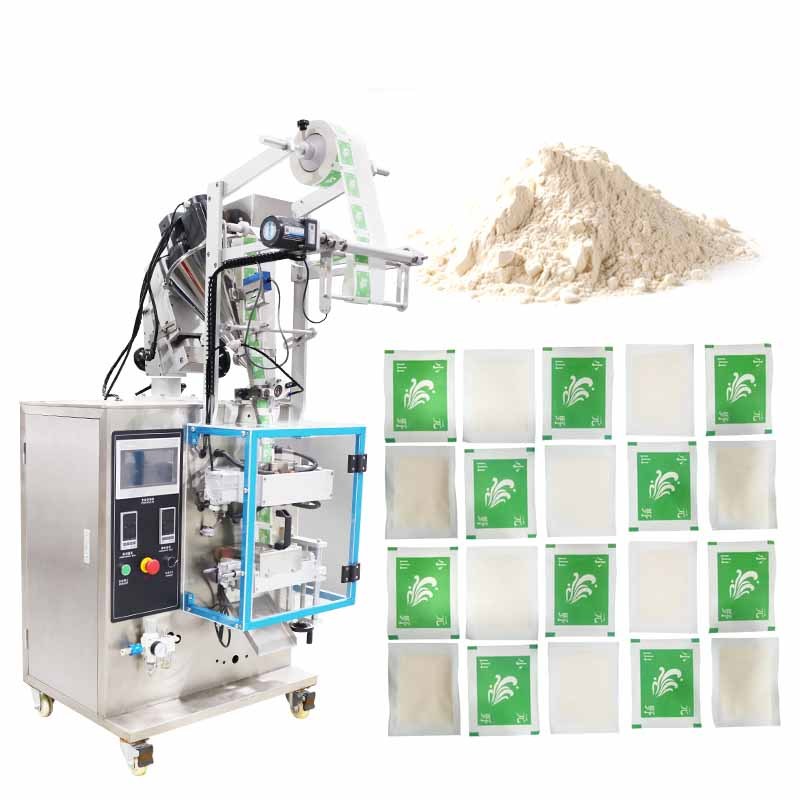


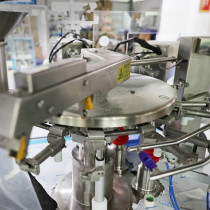
high speed double film Powder Packaging Machine
group namePowder Packaging Machine
-
Min Order1 piece
brand namefame machinery packaging machines manufacturer
modelFM010
payment methodWestern Union, MoneyGram, T/T, Paypal
-
update timeFri, 28 Aug 2026 17:37:16 GMT
Paramtents
Packaging products powder
Filling specification 30-2000ML
Hopper size 150L(304 stainless steel )
Machine power 6Kw
Packging & Delivery
Min Order1 piece
Briefing
high speed double film Powder Packaging Machine Manufacturer can suppy different powder filling machines,powder packaging solution,
Detailed
Introduction of Double Film Powder Packaging Machine Manufacturer
Double-sided packaging film (also known as "double-sided heat-sealable film" or "double-sided sealing film"), used with specialized double film powder packaging machines, is a highly efficient automated packaging solution. Its core feature is the film's inherent heat-sealability on both sides, and the double film powder packaging machine is specifically designed to achieve this characteristic.
Below, I will explain in detail the characteristics of the packaging film, the characteristics of the packaging machine, and its overall advantages and applications.
I. Characteristics of Double-Sided Packaging Film Itself
Double-sided Heat-Sealability: This is the most crucial feature. Both the inner and outer layers (or specific coatings) of the film are heat-sensitive and can bond together under heat and pressure. This allows packaging to be sealed at any overlapping portion of the film, not just one side.
Multi-layer Co-extrusion Structure: Typically composed of multiple layers of materials, such as:
Top Layer: Provides gloss, printability, and abrasion resistance (e.g., BOPP, PET).
Intermediate Layer: Provides strength, barrier properties (e.g., nylon, EVOH), or cost control.
Heat-Sealing Layer (Inner and Outer Layers): Provides low-temperature heat-sealing performance, commonly using materials such as CPP and PE.
No Back Seal Required: Traditional three-side seal packaging requires a "back seal edge," while double-sided sealing film can use a special folding method to position the seal edge in the center of the product's side or back, creating a more aesthetically pleasing and flatter "pillow-shaped package" or "four-side seal flat package."
II. Features of Specialized Packaging Machines
To achieve double-sided film packaging, the packaging machine differs significantly in design and function from traditional vertical or pillow-type packaging machines.
Unique Forming Unit:
Folding Forming: This is the most classic form. The packaging film is guided through a folding triangle or arc plate, folding from a flat state into a cylindrical shape, with the product falling in through the fold opening. In this way, the two sides of the film (both heat-sealed) naturally face each other.
No Longitudinal Sealing Required: Because of the folding formation, the left and right edges of the film are continuous, therefore, longitudinal heat sealing is usually unnecessary, simplifying the mechanical structure and avoiding potential air leakage or strength problems caused by longitudinal seal seams.
Key Features of the Horizontal Sealing and Cutting System:
Simultaneous Double-Sided Heat Sealing: The horizontal sealing clamps grip the folded cylindrical film, simultaneously pressing the top and bottom layers (both heat-sealed) together to form a seal at the top and bottom of the product.
Center Cutting: A cutter is typically installed in the center of the horizontal sealing clamps, completing the sealing and center cutting of both packages in a single motion, resulting in high efficiency.
Drive and Control System:
Servo Motor Drive: Modern double-sided film packaging machines commonly employ multi-servo systems, precisely controlling film traction, horizontal sealing, and feeding actions, ensuring high synchronization accuracy, flexible adjustment, and low scrap rate.
Human-Machine Interface: Touchscreen operation allows for easy parameter setting (such as temperature, length, speed, etc.) and storage of formulas for different products.
Wide Material Adaptability:
The machine can be equipped with various feeding systems, such as screw metering (for granules and powders), combination scales (for nuts, snacks, and hardware), vibratory feeders (for regular parts), or pushers (for solids such as biscuits and bread), adapting to products of different shapes.
Advantages of Double film Powder Packaging Machine
Exquisite Appearance: Fewer seams, typically only top and bottom seals, often centered on the back, maximizing front display area, ideal for retail packaging.
• Excellent Sealing: Double-sided heat sealing provides high seal strength and superior sealing performance, especially suitable for products requiring moisture and oxidation protection.
• Versatile Packaging Forms: By changing the forming device, various forms can be produced, including pillow-shaped bags, four-side-seal flat bags, and perforated hanging card bags.
• Material Savings: The folding forming method reduces material waste and eliminates the need for longitudinal sealing, theoretically saving more material than traditional three-side sealing.
• High Efficiency: Continuous operation, typically reaching speeds of tens to hundreds of bags per minute.
• High Flexibility: When changing products, usually only the feeding device and forming device size need to be changed, along with the film roll.
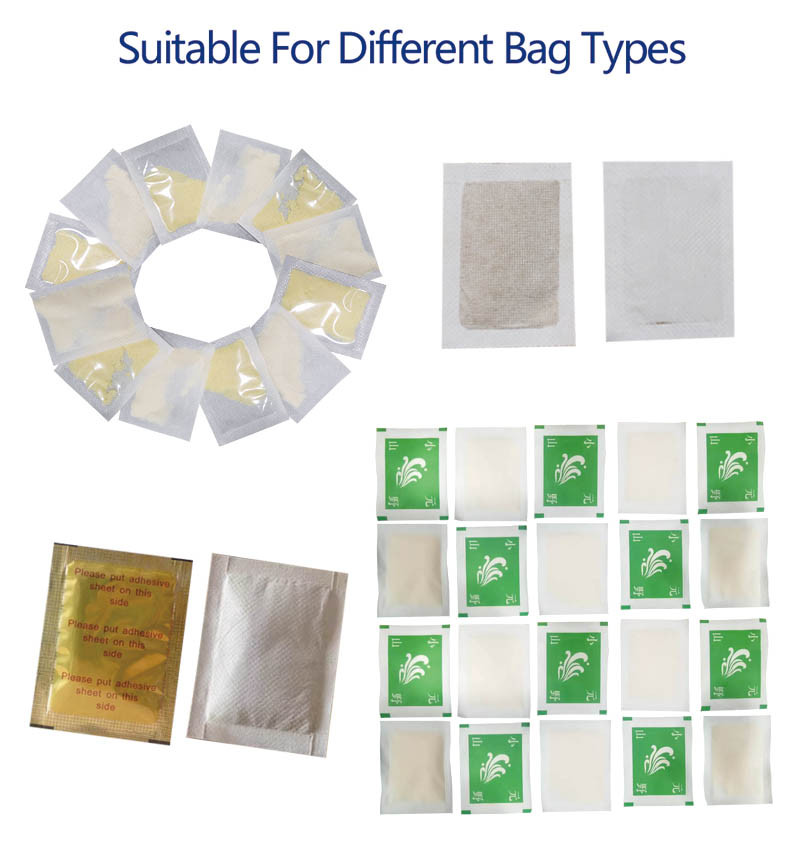
You need a product
You May Like

6YRS Guangzhou Fame International Trade Co.,Ltd
- Nearest port for product export
- Guangzhou
- Delivery clauses under the trade mode
- FOB, CFR, CIF, EXW
- Acceptable payment methods
- T/T, MoneyGram, Credit Card, PayPal, Westem Union, Cash