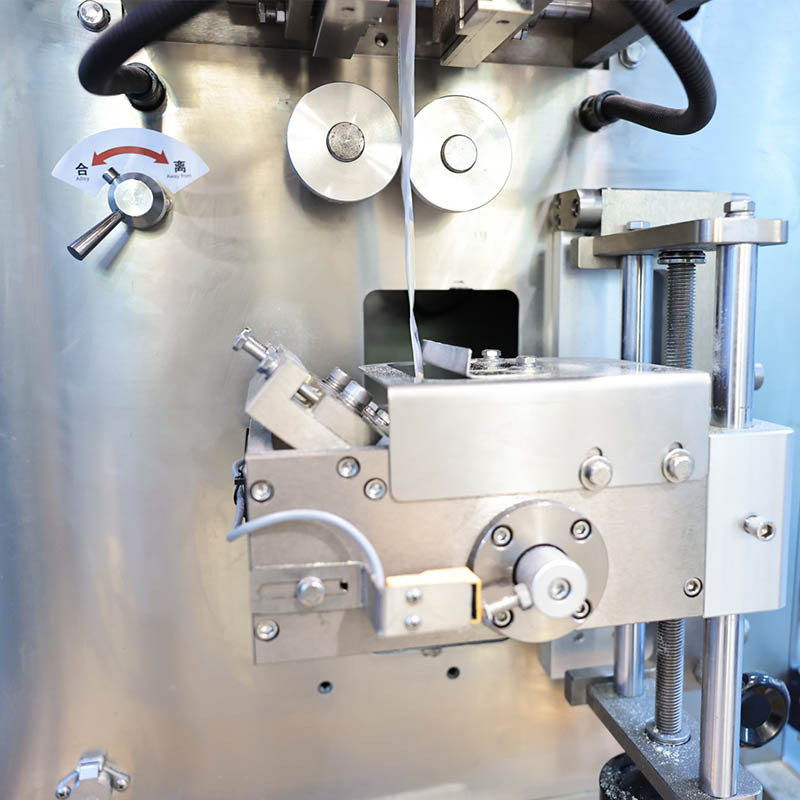


Powder Packaging Machine Manufacturer
group namePowder Packaging Machine
-
Min Order1 piece
brand namefame machinery packaging machines manufacturer
modelFM011
payment methodWestern Union, MoneyGram, T/T, Paypal
-
update timeFri, 16 Oct 2026 14:09:12 GMT
Paramtents
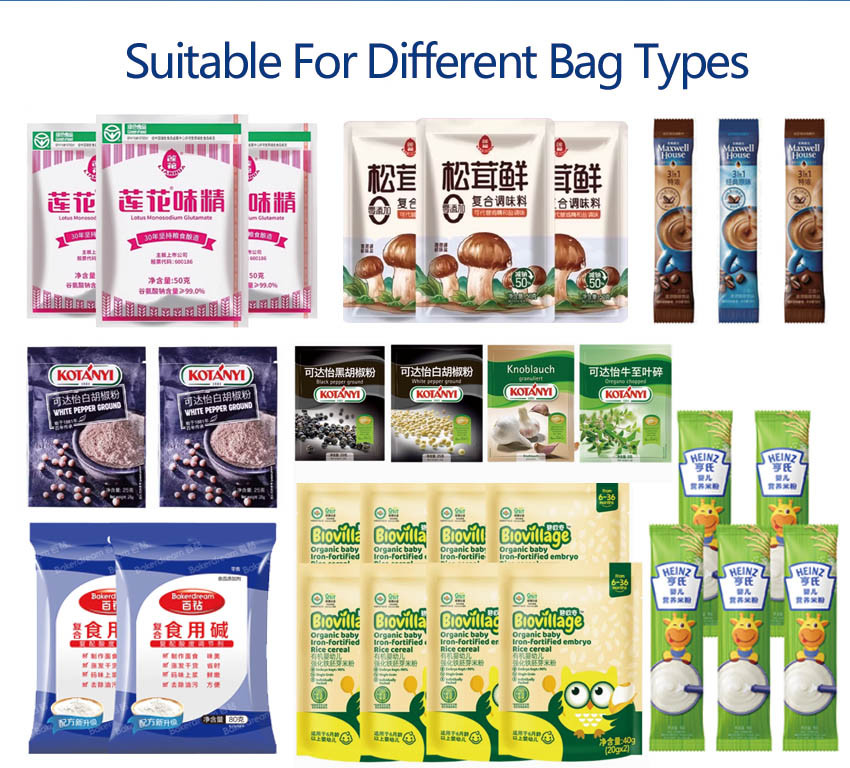
Packaging products powder
Filling specification 30-2000ML
Hopper size 150L(304 stainless steel )
Machine power 6Kw
Packging & Delivery
Min Order1 piece
Briefing
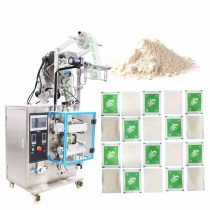
Powder Packaging Machine Manufacturer can suppy different powder filling machines,powder packaging solution,and other filling machines
Detailed
Introduction of Powder Packaging Machine Manufacturer
Precaution of powder packaging machine
Personal Protective Equipment: Operators must wear appropriate personal protective equipment, such as dust masks, safety glasses, work caps, and gloves, to prevent dust inhalation and contact.
Electrical Safety:
The equipment must be reliably grounded to prevent static electricity buildup (powder environments easily generate static electricity).
Non-professional maintenance personnel are strictly prohibited from opening the electrical control cabinet, touching the wiring terminals, or modifying the circuit.
When cleaning, ensure the equipment power is completely turned off and the main switch is disconnected to prevent electric shock.
Mechanical Safety:
While the powder packaging machine is running, it is strictly forbidden to put hands, tools, or other objects into the areas of moving parts such as the horizontal sealing, vertical sealing, and cutting blades.
Before adjusting molds, changing cutting blades, or performing other operations, always stop the machine first. If necessary, use manual mode for fine-tuning.
The emergency stop button must be clearly visible and readily accessible; press it immediately in case of any abnormality.
Dust Explosion Prevention: If packaging flammable and explosive dust (such as milk powder, coffee powder, or certain chemical powders), the equipment must be equipped with explosion-proof motors, electrical components, and a dust removal system. Ensure good ventilation in the work area and eliminate ignition sources.
II. Pre-Start Preparation and Inspection
Equipment Inspection: Check all machine components (feeding mechanism, bag maker, sealing components, cutter, photoelectric sensor) for integrity, cleanliness, and absence of foreign objects. Ensure screws are tight and transmission components are well lubricated.
Consumables Installation: Correctly install the packaging film roll, confirming the film roll direction (pattern orientation) and appropriate tension. Check that the date and batch number printing devices (ribbon, lettering) are clear and sufficient.
Parameter Settings: Accurately set the parameters on the control panel according to the production task for the shift:
Packaging Dimensions: Bag length, bag width.
Weight/Capacity: Set the target filling amount.
Temperature: Set appropriate horizontal and vertical sealing temperatures according to the packaging material (e.g., PET/PE composite film). Too low a temperature will result in a weak seal, while too high a temperature may cause burn-through.
Speed: Start at a low speed and gradually adjust to a stable speed.
Material Preparation: Ensure the powder to be packaged is dry, uniform, and free of lumps. Check that the hopper is full of material and that the feeding screw or filling cup is free of foreign objects.
III. Key Operating Points During Operation
Empty Bag Trial Run: Before formal feeding, run several empty bags to check the bag forming, sealing appearance, cutter position, and the accuracy of photoelectric tracking (color mark).
First Piece Inspection: The first 10-20 products produced must undergo strict inspection:
Sealing Quality: Check for flatness, firmness, no wrinkles, and no leakage.
Packaging Weight: Use an electronic scale to randomly check if it is within the allowable error range.
Appearance: Check if the pattern position is correct, if the date printing is clear, and if the bag shape is aesthetically pleasing.
Mass production can only begin after confirming that the product is qualified.
Process Monitoring: Operators should periodically (e.g., every 15-30 minutes) randomly check the product weight, sealing quality, and appearance, and record the results. Closely monitor equipment operating sounds, temperature, and material feeding; adjust or stop the machine immediately if any abnormalities are found.
Material Monitoring: Maintain a certain level of material in the hopper to prevent material interruption or bridging. For hygroscopic powders, pay attention to the impact of ambient humidity.
Speed Matching: Packaging speed should be matched with filling accuracy and sealing cooling time. Avoid blindly increasing the speed, which may lead to weak seals or inaccurate measurement.
Shutdown and Cleaning Maintenance of Powder Packaging Machine
Correct Shutdown Sequence:
Stop feeding and allow the hopper and filling system to empty completely.
Turn off the heater and allow the sealing components to cool naturally.
Stop the main unit and turn off the main power.
Roll back any remaining packaging film to prevent exposure and contamination.
Thorough Cleaning (Daily Essential):
Use appropriate tools: Clean with a soft brush, vacuum cleaner, and dedicated cleaning cloth. Avoid using sharp metal tools to scratch the equipment surface.
Key Areas:
Hopper, Screw Feeder, Filling Head: Must be completely disassembled and cleaned to prevent cross-contamination between different batches or types of materials and to prevent clumping that could affect accuracy.
Sealing Jaws: After cooling, clean residual material and carbon deposits with a dedicated copper brush or soft cloth to keep the sealing surface clean.
Cutter: Clean powder and film debris from the blade.
Photoelectric Sensor: Gently wipe the lens with an alcohol swab to maintain its sensitivity.
Machine work surface and surrounding area: Sweep up any loose powder and keep the work area clean.
Regular maintenance:
Lubrication: Regularly add the specified lubricating oil/grease to moving parts such as bearings, guide rails, and gears as required by the equipment manual.
Inspection: Regularly check the wear of the screw, belt tension, tightness of electrical wiring, and air circuit sealing.
Calibration: Regularly (weekly or monthly) calibrate the electronic scale's measuring accuracy using standard weights.
You need a product
You May Like


6YRS Guangzhou Fame International Trade Co.,Ltd
- Nearest port for product export
- Guangzhou
- Delivery clauses under the trade mode
- FOB, CFR, CIF, EXW
- Acceptable payment methods
- T/T, MoneyGram, Credit Card, PayPal, Westem Union, Cash