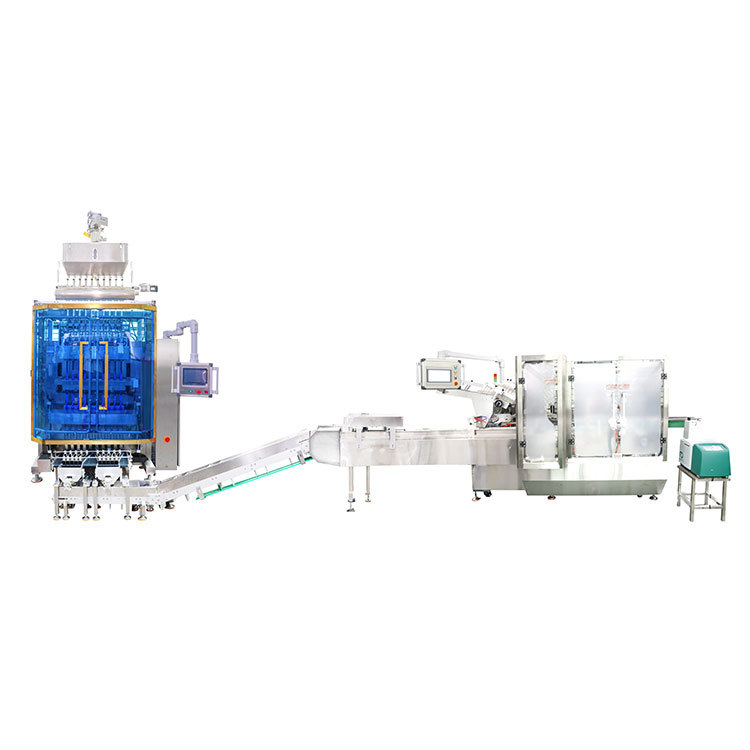


Custom Packaging Solutions for complete packaging line Food Packaging Solutions Supplier
group nameComplete Packaging Line
-
Min Order1 piece
brand namefame machinery packaging machines manufacturer
modelFM007
payment methodWestern Union, MoneyGram, T/T, Paypal
-
update timeWed, 09 Sep 2026 01:12:43 GMT
Paramtents
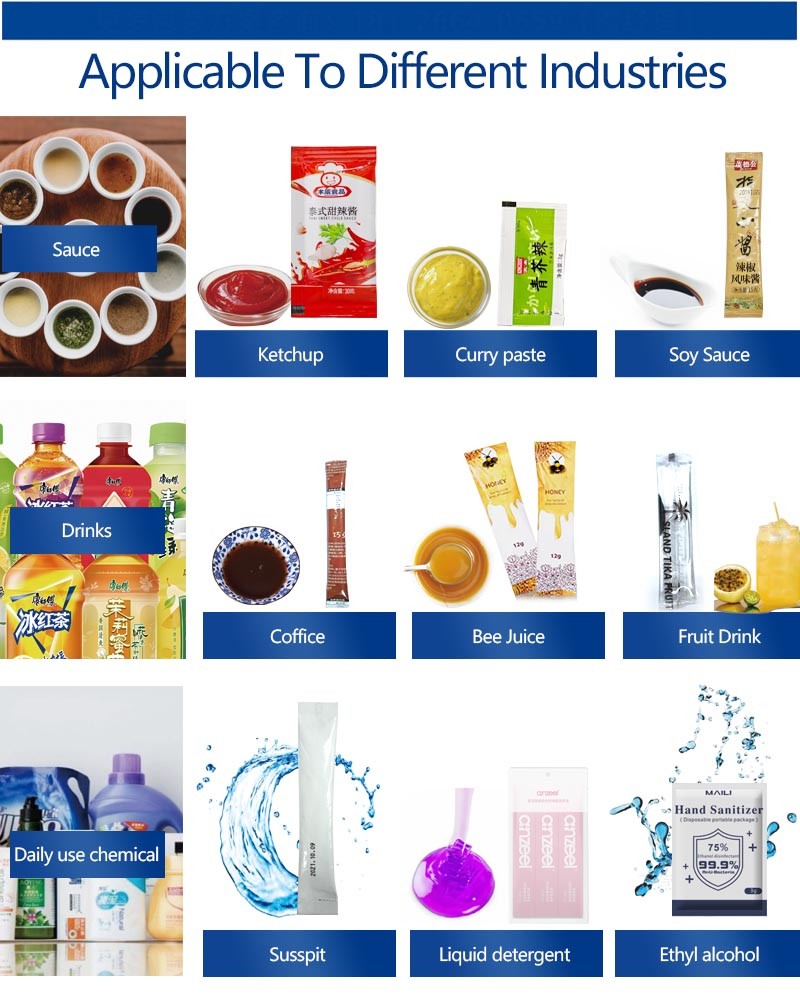
Packaging products Liquid and pastes granule
Filling specification 30-1000ML
Hopper size 150L(304 stainless steel )
Machine power 9Kw
Packging & Delivery
Min Order1 piece
Briefing
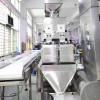
Custom Packaging Solutions manufacturer can suppy different sealing machines and filling machines,paste packaging solution
Detailed
Introduction of Custom Packaging Solutions For Complete Packaging Line
Custom packaging solutions for complete production lines offer numerous significant advantages, meeting the high demands of modern manufacturing for flexibility, efficiency, cost control, and market responsiveness. Below is a detailed analysis of their main advantages:
1. High Flexibility and Customization Capabilities
• Adaptability to Diverse Products: Production line parameters can be quickly adjusted according to different product sizes, shapes, and materials (e.g., food, cosmetics, industrial parts), supporting small-batch, multi-variety production.
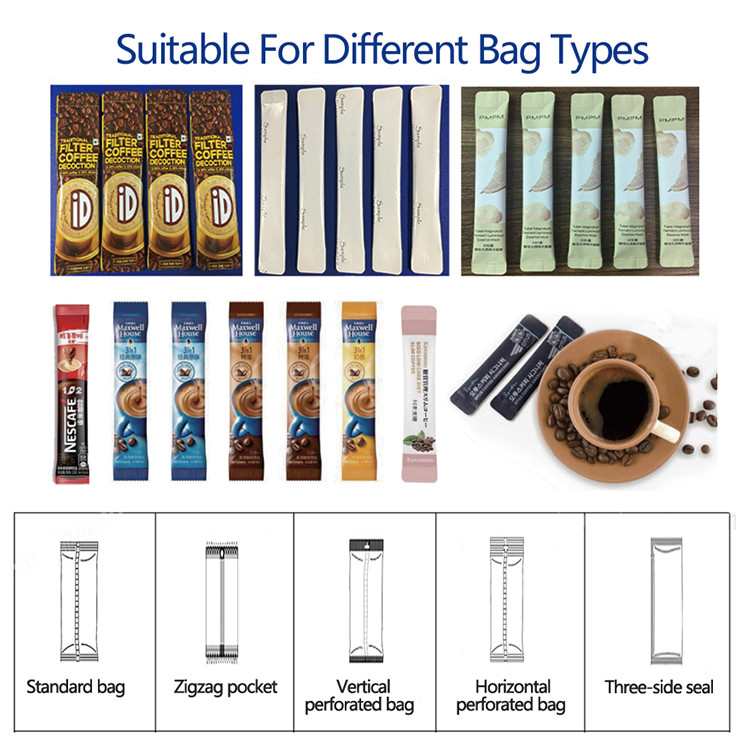
• Personalized Design: Meets brand owners' customization needs for packaging appearance and function (e.g., stand-up pouches, zipper bags, vacuum packaging), enhancing product uniqueness.
2. Increased Production Efficiency and Automation
• High-Speed Continuous Production: Automated equipment can achieve packaging speeds of tens to hundreds of bags per minute, far exceeding manual operation.
• Reduced Human Intervention: Automated feeding, filling, sealing, and inspection processes reduce labor costs and improve consistency.
• 24-Hour Continuous Operation: Suitable for large-scale orders, shortening delivery cycles.
3. Optimized Cost Control
• Reduced Material Waste: Precisely controls the amount of packaging materials used (e.g., film, labels), avoiding over-packaging. • Reduced Long-Term Costs: Although initial investment is higher, automated production lines achieve long-term returns by reducing manpower and increasing yield.
• Energy-Saving Design: Modern customized production lines often integrate energy optimization systems (such as high-efficiency heat sealing and low-power motors).
4. Guaranteed Product Quality and Consistency
• High-Precision Control: Precisely controls parameters such as filling volume, sealing temperature, and pressure, reducing errors.
• Integrated Inspection System: Equipped with visual inspection, metal detection, and weight verification functions, it rejects defective products in real time.
• Compliance with Industry Standards: Easily meets hygiene and safety certifications (such as ISO, HACCP, GMP) for the food and pharmaceutical industries.
5. Enhanced Market Response Capabilities
• Rapid Product Line Switching: Modular design supports rapid mold changes or process adjustments to adapt to market changes.
• Shorter Time to Market: Customized production lines can quickly develop adaptation solutions for new products, accelerating product iteration.
6. Technical Support and Intelligent Upgrades
• Data Monitoring and Analysis: Real-time collection of production data through PLC and Internet of Things (IoT) systems optimizes processes and predicts maintenance needs.
• Remote Maintenance and Diagnostics: Suppliers can provide remote technical support, reducing downtime.
• Future Expansion Compatibility: Flexible design facilitates the integration of new technologies (such as AI quality inspection and robotic palletizing).
7. Environmental Protection and Sustainable Development
• Material Adaptability: Compatible with biodegradable and recyclable materials (such as PLA and paper-based composites), supporting environmental initiatives.
• Reduced Carbon Footprint: Efficient production reduces unit energy consumption, aligning with green manufacturing trends.
You need a product
You May Like
6YRS Guangzhou Fame International Trade Co.,Ltd
- Nearest port for product export
- Guangzhou
- Delivery clauses under the trade mode
- FOB, CFR, CIF, EXW
- Acceptable payment methods
- T/T, MoneyGram, Credit Card, PayPal, Westem Union, Cash