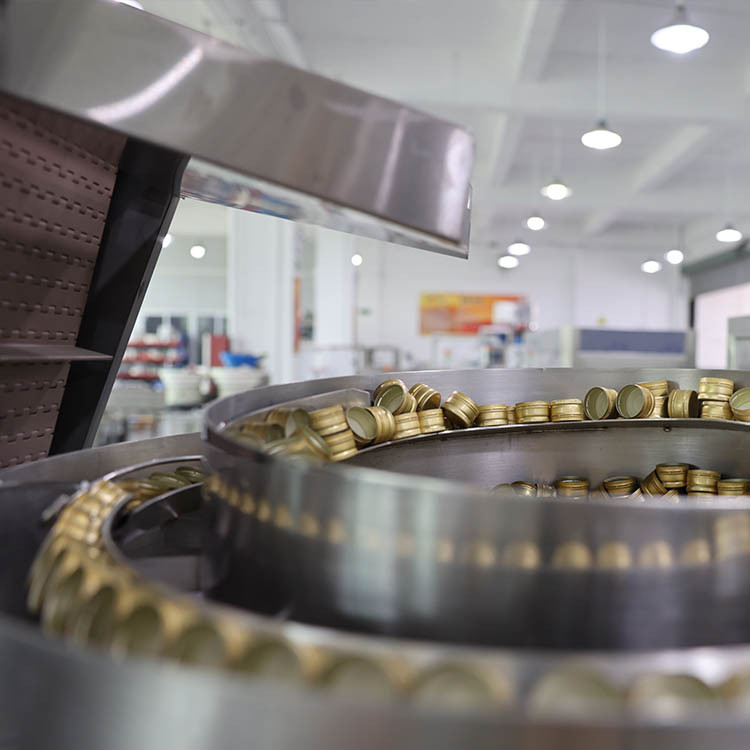


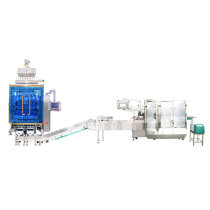
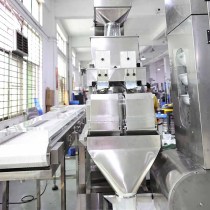
Oral Liquid Packaging Solutions for Complete Packaging Line
group nameComplete Packaging Line
-
Min Order1 piece
brand namefame machinery packaging machines manufacturer
modelFM007
payment methodWestern Union, MoneyGram, T/T, Paypal
-
update timeFri, 28 Aug 2026 10:40:54 GMT
Paramtents
Packaging products Liquid
Filling specification 30-1000ML
Hopper size 150L(304 stainless steel )
Machine power 9Kw
Packging & Delivery
Min Order1 piece
Briefing
Oral Liquid Packaging Solutions for complete packaging line supplier,we can customize different packaging solutions for different products
Detailed
Introduction of Oral Liquid Packaging Solutions for complete packaging line
Oral liquid packaging solutions for complete production lines offer numerous significant advantages, meeting the high demands of modern manufacturing for flexibility, efficiency, cost control, and market responsiveness. Below is a detailed analysis of their main advantages:
1. High Degree of Automation
Fully Automatic Operation: From bag feeding, opening, filling, sealing to output, everything is completed automatically, reducing manual intervention and labor intensity.
Intelligent Control: Utilizes a PLC (Programmable Logic Controller) or industrial computer to achieve parameter setting, fault diagnosis, production statistics, and other functions, making operation simple.
2. High Production Efficiency
High-Speed Operation: Speed can be adjusted according to bag size and material characteristics; a typical production line can package dozens to hundreds of bags per minute.
Continuous Operation: Supports 24-hour uninterrupted production, suitable for large-volume orders.
3. Good Flexibility
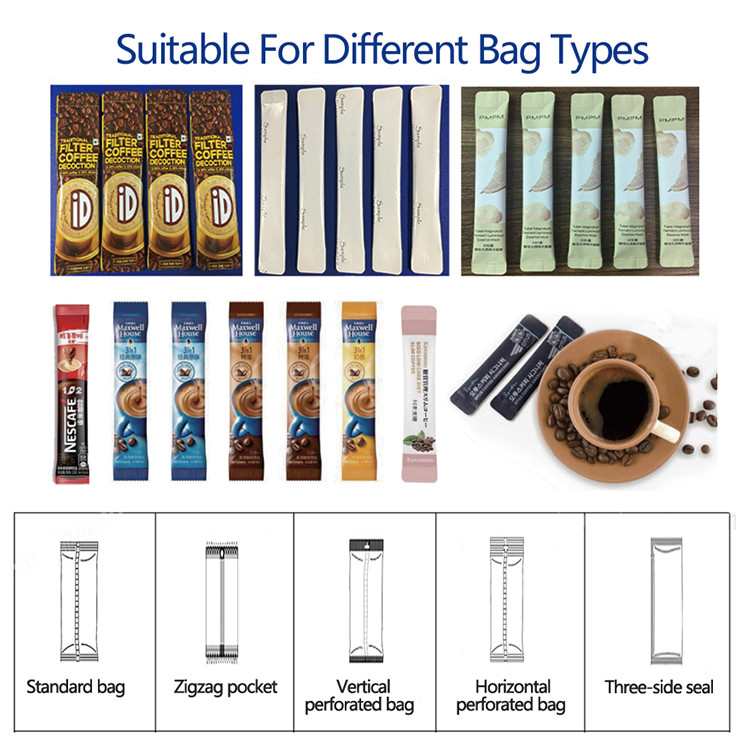
Multi-Specification Adaptability: By changing molds or adjusting parameters, it can adapt to packaging bags of different sizes and materials (such as stand-up pouches, zipper bags, back-seal bags, etc.).
Multi-functional Integration: Can be equipped with modules such as weighing machines, coding machines, vacuum nitrogen filling, and date printing to meet diverse needs.
4. High Precision
Precise Measurement: Employs weight, volume, or counting measurement methods with minimal error (e.g., food packaging accuracy can reach ±0.5g~1g).
Stable Sealing Quality: Controllable heat sealing temperature and pressure ensure smooth and secure sealing, preventing air leakage or bag breakage.
5. Strong Hygiene and Safety
Materials Compliant: Components in contact with materials are typically made of stainless steel or food-grade plastic, meeting GMP, HACCP, and other hygiene standards.
Safety Design: Equipped with safety doors, emergency stop buttons, and protective covers to ensure operator safety.
6. Energy Saving and Environmental Protection
Reduced Waste: Precise measurement reduces material loss, and optimized sealing processes minimize packaging material waste.
Low Energy Consumption Design: Energy-saving technologies are frequently used in motors and heating systems, reducing operating costs.
7. Stability and Durability
Robust Structure: Key components utilize high-strength materials, are wear-resistant and corrosion-resistant, suitable for long-term high-load operation.
Easy Maintenance: Modular design facilitates cleaning and maintenance, reducing downtime.
8. Wide Adaptability
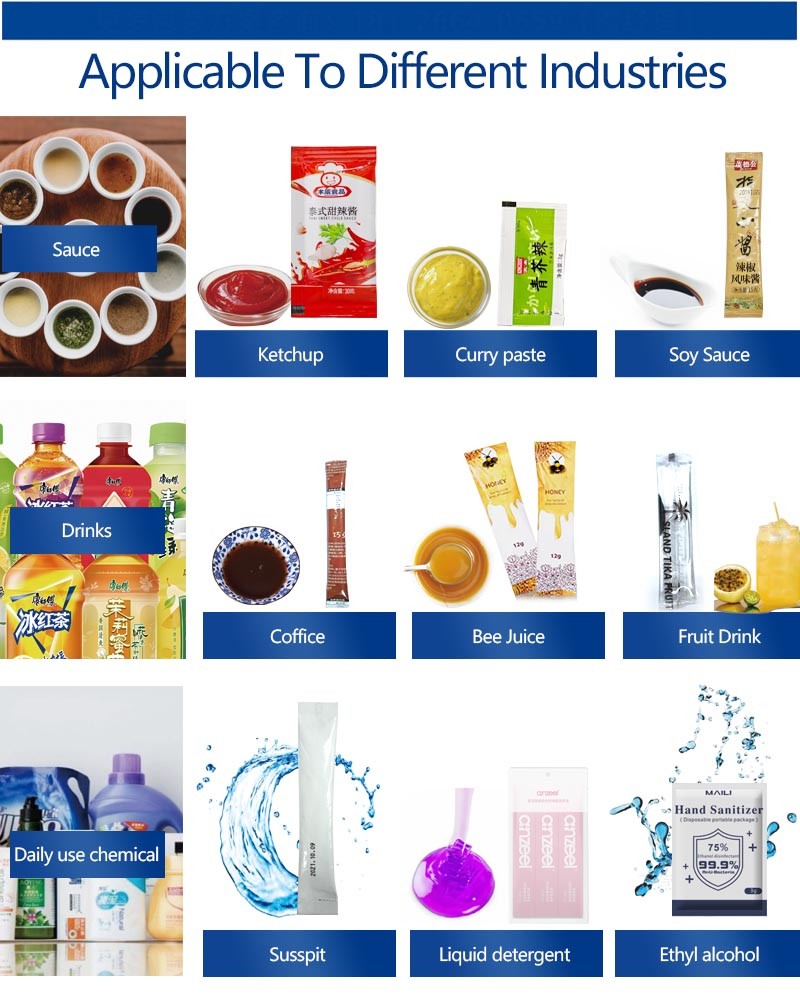
Diverse Materials: Handles granules, powders, liquids, pastes, and lumps (such as snacks, milk powder, detergents, seeds, etc.).
Industry Compatibility: From food processing to chemical products, simply adjust the equipment configuration to suit different industry needs.
You need a product
You May Like


6YRS Guangzhou Fame International Trade Co.,Ltd
- Nearest port for product export
- Guangzhou
- Delivery clauses under the trade mode
- FOB, CFR, CIF, EXW
- Acceptable payment methods
- T/T, MoneyGram, Credit Card, PayPal, Westem Union, Cash