One-Stop Processing
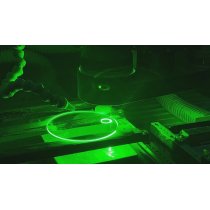
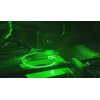
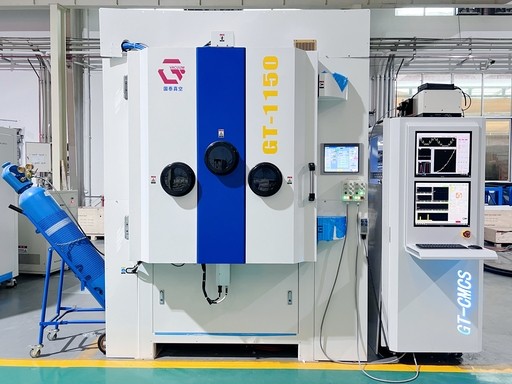
Sapphire blank cutting, CNC shaping, precision polishing, vacuum coating and edge chamfering.
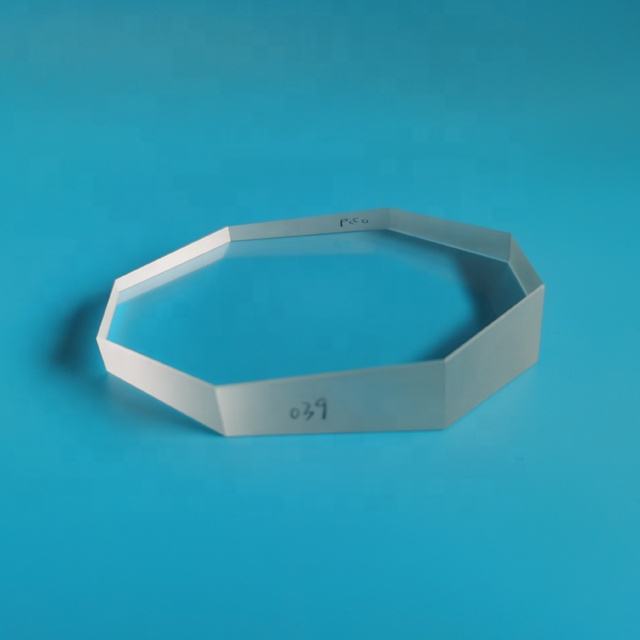


group nameSapphire Optical Windows
Min Order5 piece
brand nameFELIX GLASS optical glass Manufacturing base
modelFG-WIN-19
payment methodL/C, D/A, D/P, Western Union
update timeFri, 17 Jul 2026 17:43:15 GMT
Material Sapphire (Al₂O₃) 1: High Purity Fused Silica 2: Synthetic Single-Crystal
Diameter Range 0.5mm – 200mm
Thickness Range 0.1mm – 30mm
SiO₂ Purity (Quartz) ≥99.99%
Sapphire Purity: 99.99% Al₂O₃
Long-Term Working Temp (Quartz 1100–1200℃
Long-Term Working Temp (Sapphire) ≤1800℃
Thermal Expansion Coefficient (Fused Silica 5.5 × 10⁻⁷ /°C
Sapphire Softening Point 2040℃
Processing Round cutting, edge chamfering, double-sided polishing, mounting hole drilling
Optional Coating IR anti-reflection coating, broadband AR coating, UV enhanced coating
Size50cm x50cm x30cm
Weight0.5kg / piece
Min Order5 piece
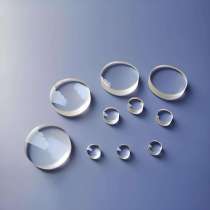
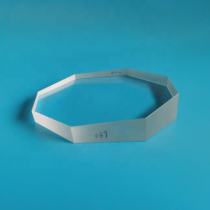
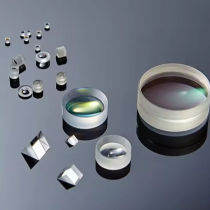
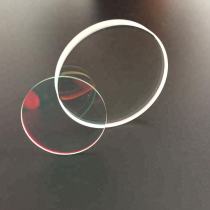
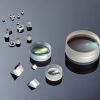
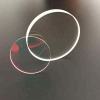
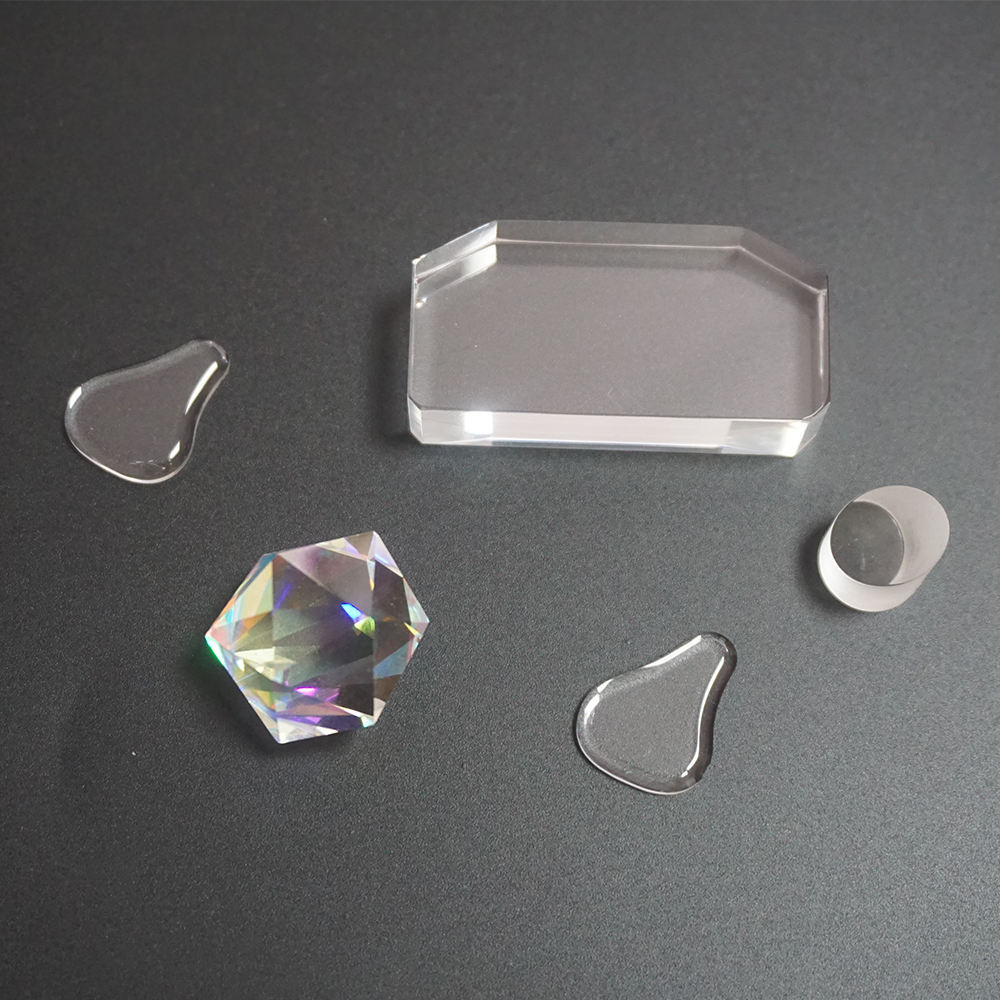
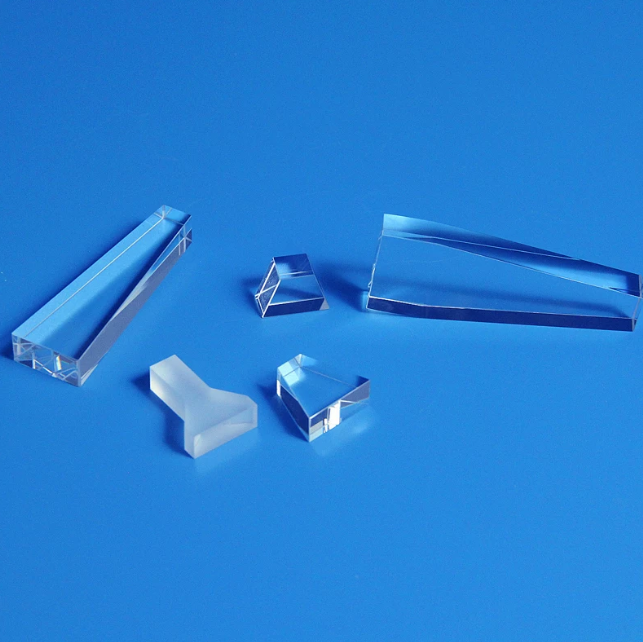
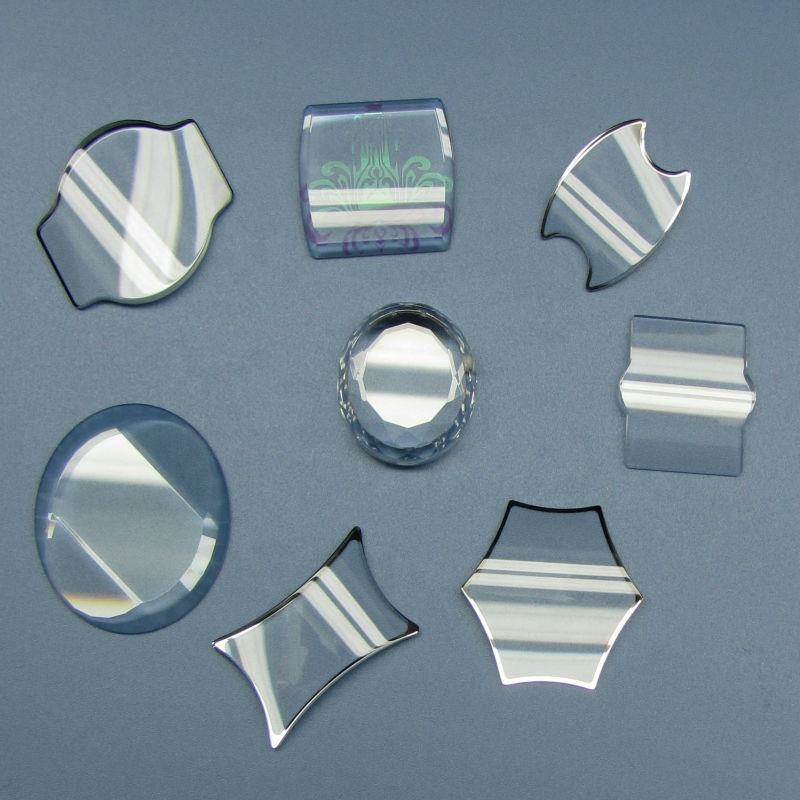
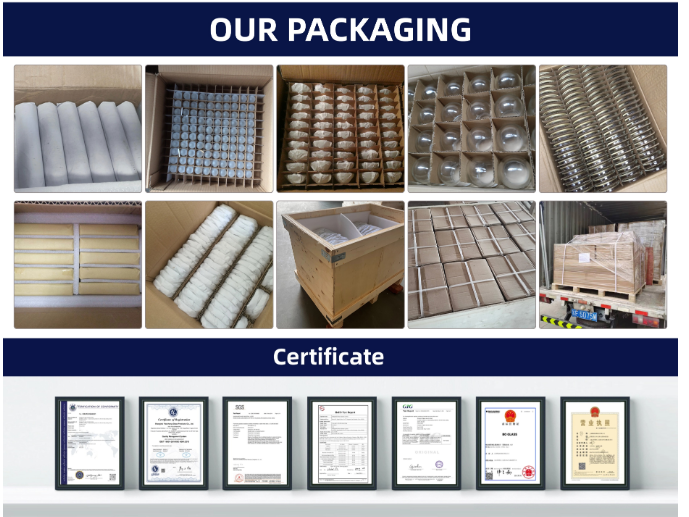
Sapphire Optical Window for High Temperature Industrial Sensor Felix Glass Co., Limited provides ultra-precision CNC-machined, special-shaped sapphire optical parts. Based on single-crystal sapphire blanks, we deliver customized irregular octagonal, rectangular, stepped and chamfered sapphire optics for harsh industrial optical systems. Our CNC sapphire machining supports controlled flatness, parallelism and dimensional tolerances for EO/IR sensing, medical devices and high-temperature furnace equipment. Each requirement is reviewed against the customer drawing and operating environment. A sapphire window creates a durable optical barrier between the sensor and a hot, abrasive or chemically demanding process environment. Its role is to protect the optical path while maintaining transmission within the selected wavelength range. Final material orientation, coating, thickness and mounting design depend on temperature, pressure, spectral band, angle of incidence and seal configuration. Tolerance and temperature values are specification targets, not universal guarantees. Felix Glass confirms feasibility from size, geometry, orientation, coating and test method. Sapphire blank cutting, CNC shaping, precision polishing, vacuum coating and edge chamfering. Prototype, small-batch and repeat production support based on drawing and inspection needs. CAD, STEP and PDF drawings can be reviewed for geometry, clear aperture, edge profile and mounting interface. Interferometric flatness, spectral transmission and dimensional inspection can be defined before production. Industrial furnace observation and temperature-sensor protection where heat, particles and cleaning cycles affect the exposed optic. Optical sensing windows that require a durable polished surface and controlled geometry. Thermal monitoring camera assemblies when sapphire transmission matches the detector band. Precision protective components for compact optical and sensor assemblies. Protective optics for systems requiring abrasion resistance and a project-defined coating. Custom windows for instruments with defined cleaning, transmission and mechanical requirements. Comparable solutions include an AR-coated sapphire window for thermal monitoring cameras and a C-plane sapphire flat window for medical equipment. Inspection can cover dimensions, surface condition, flatness, parallelism and spectral performance when these items are defined in the purchase specification. Finished optics are separated and protected to reduce handling contact during shipment. Request sapphire machining and material information for internal review. Provide CAD, STEP or PDF files with the working conditions and inspection criteria. Review material orientation, coating, tolerances, mounting and production quantity. No. The sensor wavelength, temperature, pressure, atmosphere and mounting design must all be checked. Sapphire is appropriate only when its transmission and mechanical behavior match the system. Yes. Rectangular, octagonal, stepped, chamfered, elliptical and other drawing-defined shapes can be reviewed for CNC machining and polishing. No. Achievable tolerances depend on diameter, thickness, shape, aspect ratio, crystal orientation, quantity and inspection method. Send dimensions, tolerances, wavelength, clear aperture, coating target, operating temperature, pressure, mounting method, inspection requirements and quantity.
Attention · High-temperature optical protection
1. Product Introduction
Single-crystal sapphire High-temperature use Drawing-based CNC
View Sapphire Optical Windows
 Attention · Direct answer
What Does a Sapphire Window Do for a High-Temperature Sensor?
Interest · Original technical content retained
2. Material & CNC Machining Performance
Substrate A-plane or C-plane single-crystal sapphire Original machining targets Dimension ±0.005 mm, flatness ≤ λ/4 and parallelism ≤ 0.01 mm, subject to drawing review Available shapes Octagonal, rectangular, stepped blanks, elliptical and custom irregular outlines Surface finish Optical-grade polishing with project-defined surface quality Optional coatings Single- or double-side broadband AR coating and UV-to-IR application-specific coatings Hardness and resistance Mohs 9 scratch resistance; original application range stated as −70°C to 1200°C, with acid and alkali resistance evaluated for the complete coated assembly 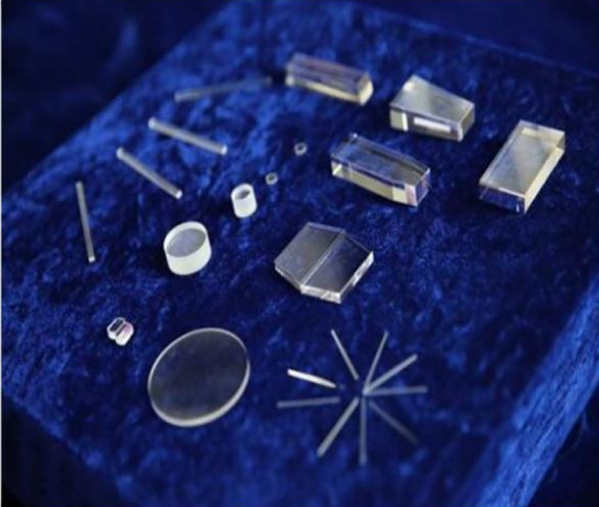 Interest · Manufacturing route
3. Custom CNC Processing Service
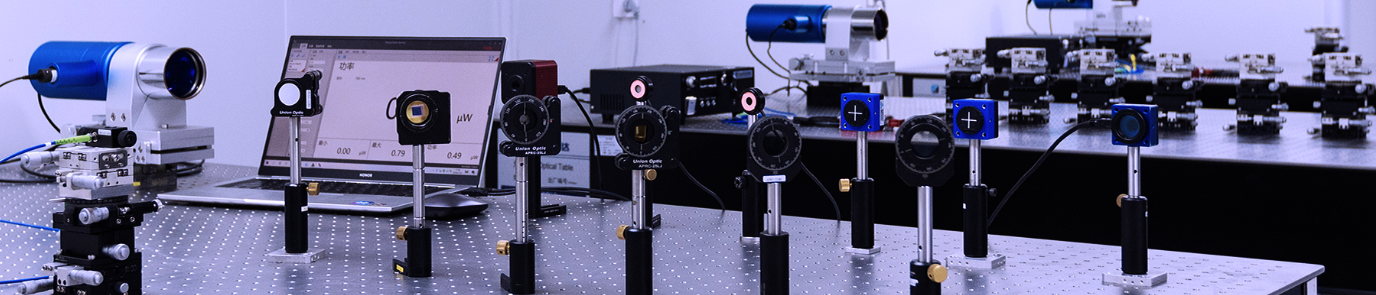
One-Stop Processing
Flexible Production
Drawing Acceptance
Inspection Planning
 Interest · RFQ checklist
Specifications to Confirm Before Manufacturing
Desire · Original application order retained
4. Core Application Scenarios
High-Temperature Furnaces
Medical Equipment
EO/IR Monitoring
Aerospace Optoelectronics
Laser Optical Paths
Biomedical Diagnostics
 Desire · Original advantages retained
5. Advantage of Our CNC Special Shaped Sapphire Parts
 Desire · Quality and delivery
Inspection, Packaging and Related Sapphire Options
Action · Original CTA sequence retained
6. Three-Layer Standard CTA
Request a Drawing Review
Technical Data
Send Your Drawing
Engineering Discussion
Action · Engineering FAQ
Sapphire Optical Window FAQ
Can sapphire be used for every high-temperature sensor?
Can you manufacture non-round or stepped windows?
Are the listed tolerances available on every size?
What information should be included with an RFQ?
网络文化经营许可证:浙ICP备14006100号-11 2007-2026 Tradevv.com. All rights reserved.