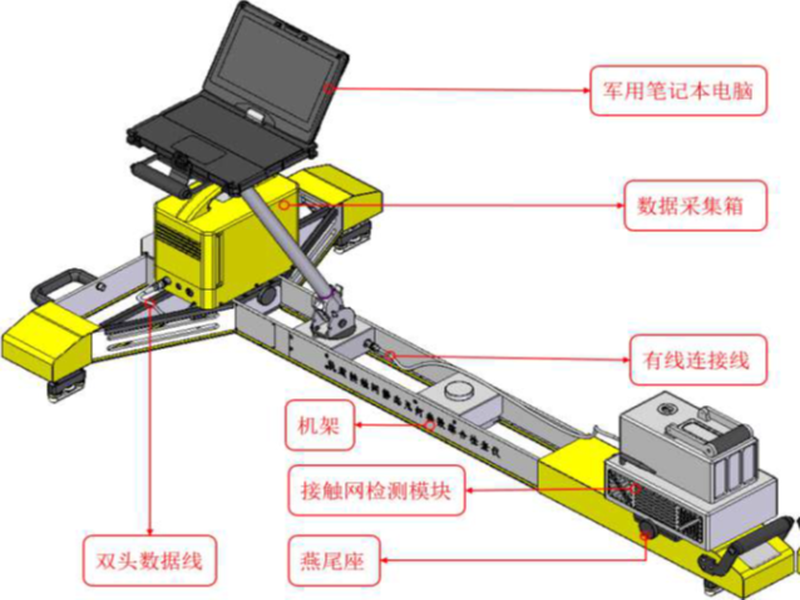


OCS & Track Static Geometry Inspection System | Track Geometry System
group nameTrack Geometry Measurement Tools
-
Min Order1 piece
brand nameRailway Maintenance Equipment & Solutions
modelOCS & Track Static Geometry Inspection System
payment methodT/T, L/C, D/P D/A
-
update timeWed, 16 Sep 2026 17:37:30 GMT
Paramtents
Dimensions (L × W × H) 1705 × 850 × 935 mm
Weight ≤ 50 kg
Correction Time 5 min
Packging & Delivery
Min Order1 piece
Briefing
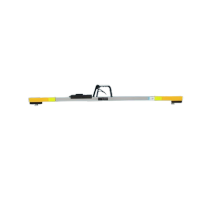
This portable track geometry detector measures gauge, level, fits multiple gauges, and ensures safe rail inspection.
Detailed
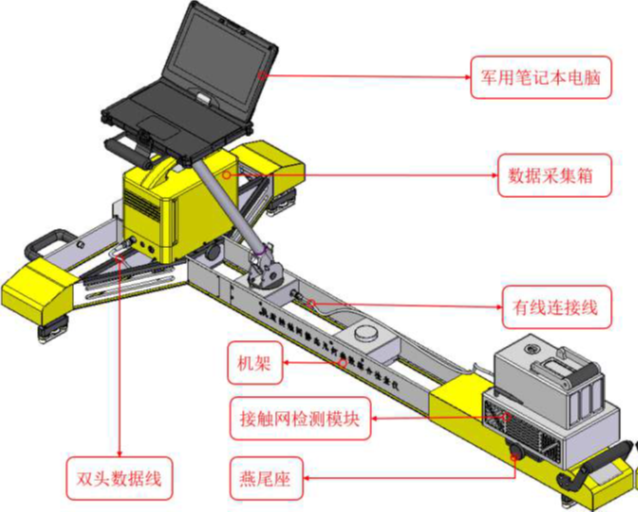
Track Geometry System Overview
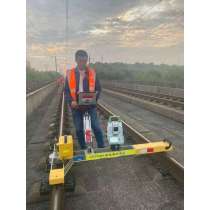
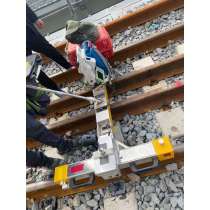
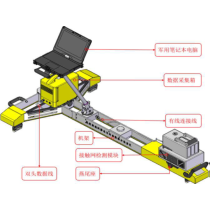
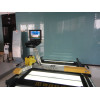
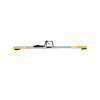
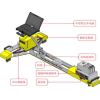
The Integrated Static Geometry Inspection System for Overhead Contact System (OCS) and Track features a modular and detachable design. It consists of a T-shaped trolley, a track inspection unit, an OCS inspection unit, and data processing software. By leveraging inertial measurement and LiDAR technologies, the system enables simultaneous measurement of static geometric parameters for both the track and the overhead contact system.
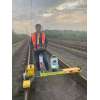
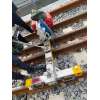
It is suitable for measurement control during construction and project acceptance of new lines on high-speed railways and passenger-dedicated lines. It also supports routine inspection and maintenance guidance for operational lines.
Key Features
1.High-speed image acquisition by cameras with real-time online compression.
2.Multi-channel, low-latency network image preview display and real-time storage.
3.Industrial integrated design for simple and easy installation.
High-speed PWM (Pulse Width Modulation) adjustable fill lighting 4.control.
5.OSD (On-Screen Display) text and image overlay.
Technical Specifications
⚪ Synchronous Rapid Measurement: Enables integrated and rapid measurement of the static geometric parameters of both the track and the overhead contact system (OCS) in a single operation.
⚪ Modular Combinable Structure: Features a freely combinable design. It can be used for the integrated measurement of track and OCS static geometric parameters simultaneously, or deployed separately for track-only static geometric parameter measurement (retaining all the original functions of the Class 0 Track Inspection Trolley).
⚪ Online Real-Time Non-compliance Alert: Utilizes an integrated ruggedized military-grade laptop to record and analyze data while displaying real-time measurement results. The instant field non-compliance alert function for all items allows inspectors to immediately mark the locations of significant defects.
⚪ Offline Data In-Depth Analysis: Includes dedicated intelligent data analysis and processing software for in-depth evaluation of inspection data. It extracts non-compliance reports, pinpoints exceedance locations, and provides guidance for track and OCS adjustment and maintenance operations.
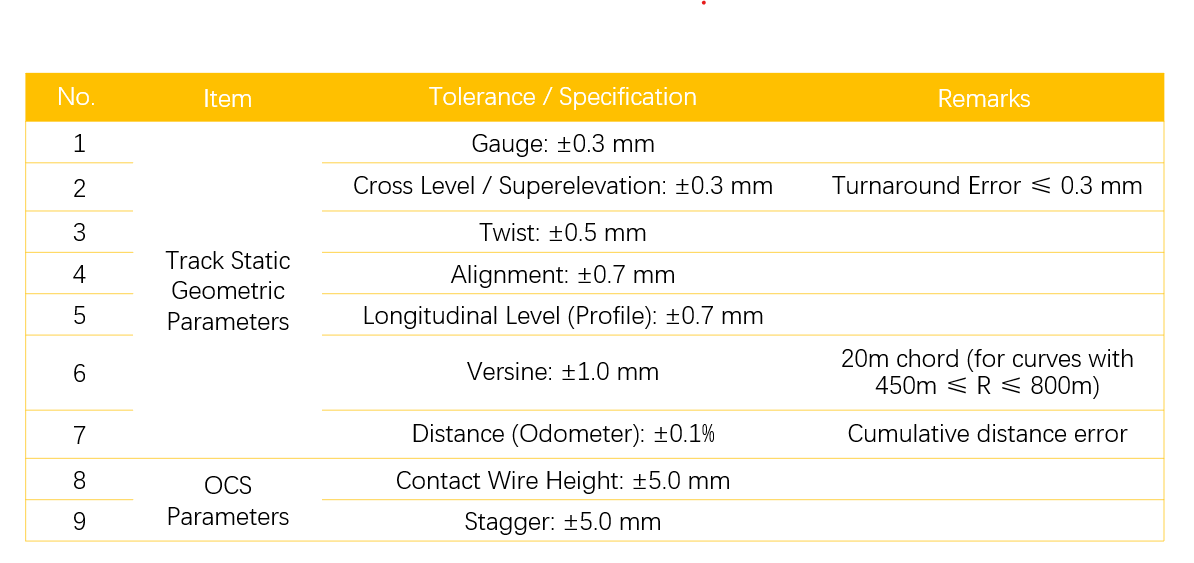
Technical Specifications
You need a product
Related Searches
You May Like
- Nearest port for product export
- no
- Delivery clauses under the trade mode
- FOB, CFR, CIF, EXW
- Acceptable payment methods
- T/T, L/C, D/P D/A