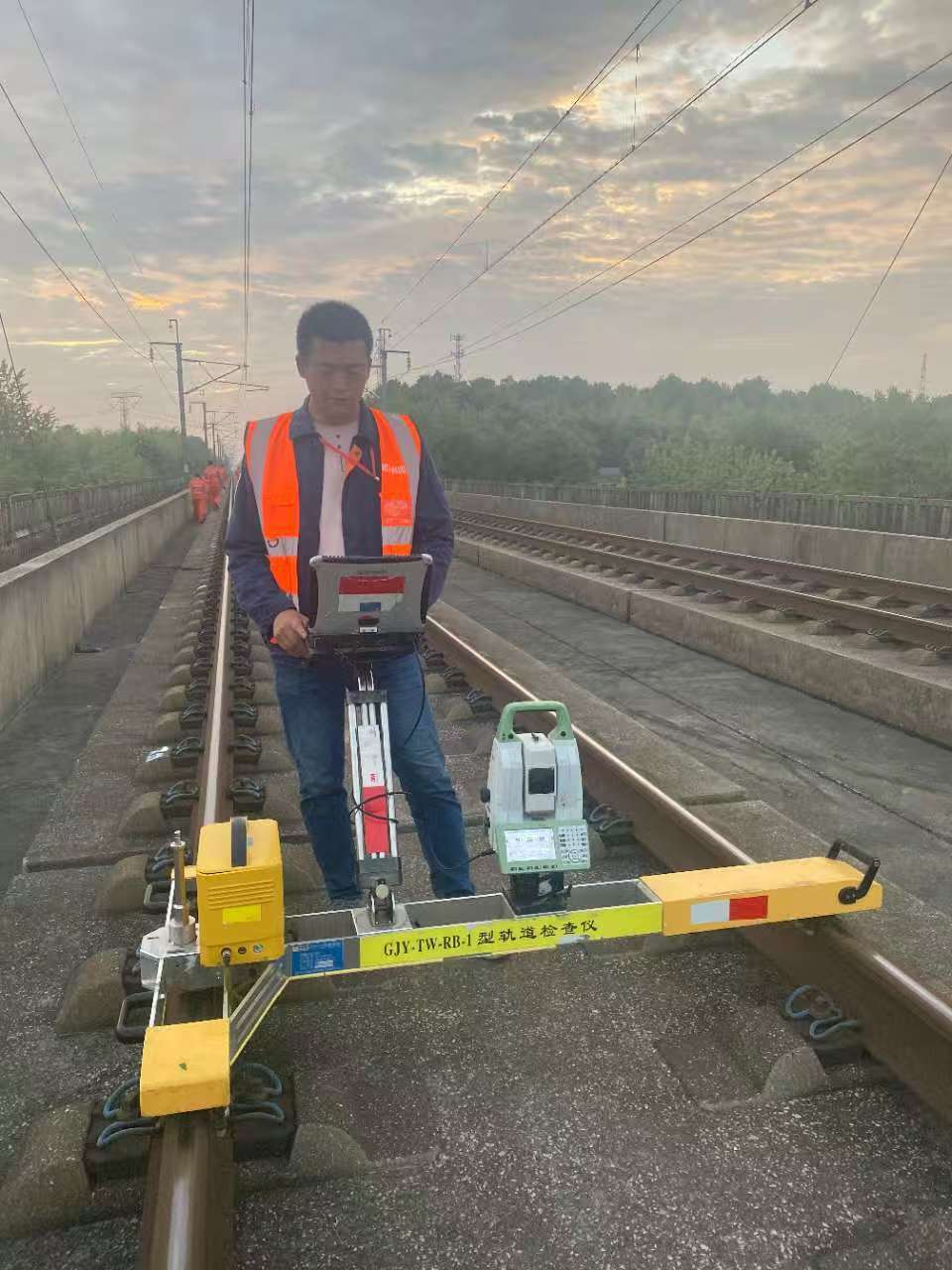


Track Geometry Inspection Trolley RCI GNSS: GNSS-Augmented | Known Network Mode Enabled
group nameTrack Geometry Measurement Tools
-
Min Order1 piece
brand nameRailway Maintenance Equipment & Solutions
modelRCI GNSS
payment methodT/T, L/C, D/P D/A
-
update timeTue, 16 Jun 2026 13:51:02 GMT
Paramtents
Product Type GNSS-Augmented Rail Track Inspection Trolley
Weight ≤ 50kg
Measurement Principle RTK GNSS + inertial fusion (known network mode)
Packging & Delivery
Min Order1 piece
Briefing
A GNSS-augmented trolley delivering ±0.30 mm gauge accuracy at 4–5 km/h.
Detailed
Overview
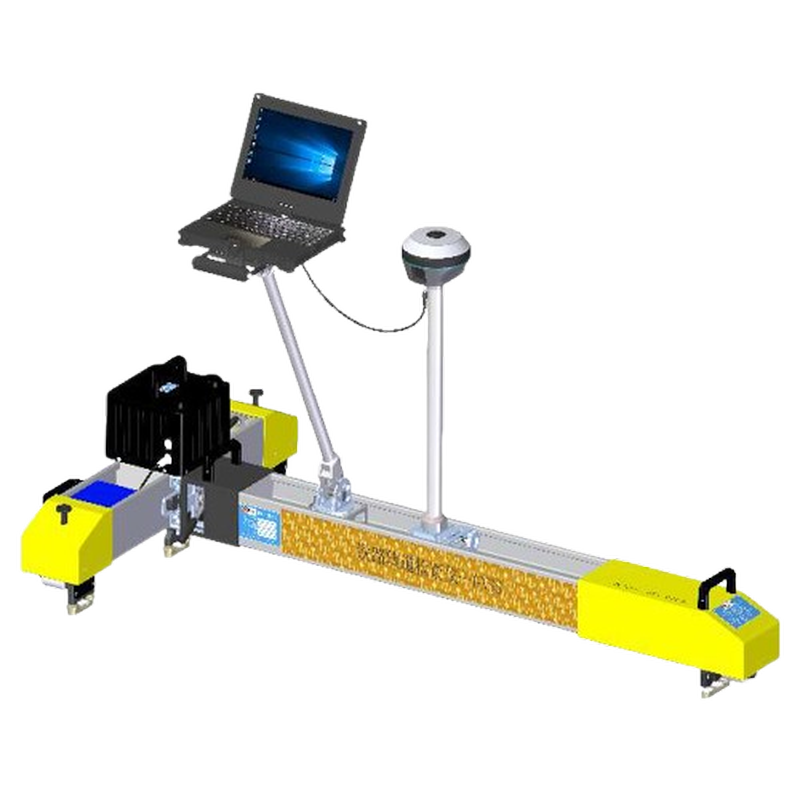
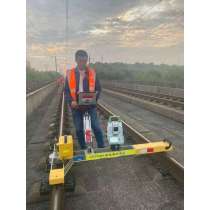
The RCI GNSS integrates dual-frequency GNSS receivers (L1/L2) with an IMU to provide absolute position referencing while retaining relative measurement precision. In known network RTK mode, lateral and vertical deviations are constrained to ±20.00 mm and ±30.00 mm respectively—sufficient for line-level geometry validation. The system maintains ±0.30 mm gauge and superelevation accuracy across all speeds from 4 to 5 km/h. It automatically logs track coordinates, generates static TQI reports, and exports adjustment proposals compatible with tamper control systems. Designed for daytime, open-sky operations on mainlines and yard tracks.
Key Components
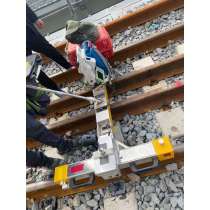
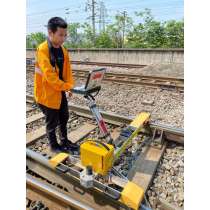
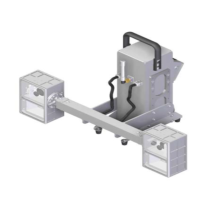
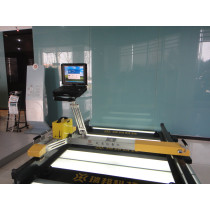
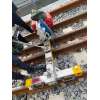
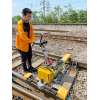
The GNSS‑based railway track inspection system comprises the following components:
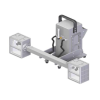
● T‑shaped trolley – mobile platform for the inspection system
● Inertial Measurement System (IMS) – provides core inertial measurements
● Inertial Measurement System (IMS) – provides core inertial measurements
● Sleeper identification and positioning system – identifies sleeper positions and aids in localization
● Ruggedized military‑grade laptop computer – runs the data acquisition and analysis software
● Data acquisition and analysis software – handles real‑time and post‑processing of inspection data
● Global Navigation Satellite System (GNSS) receiver – enables satellite‑based positioning
● Dedicated ballasted track adjustment software – supports adjustment workflows for ballasted tracks
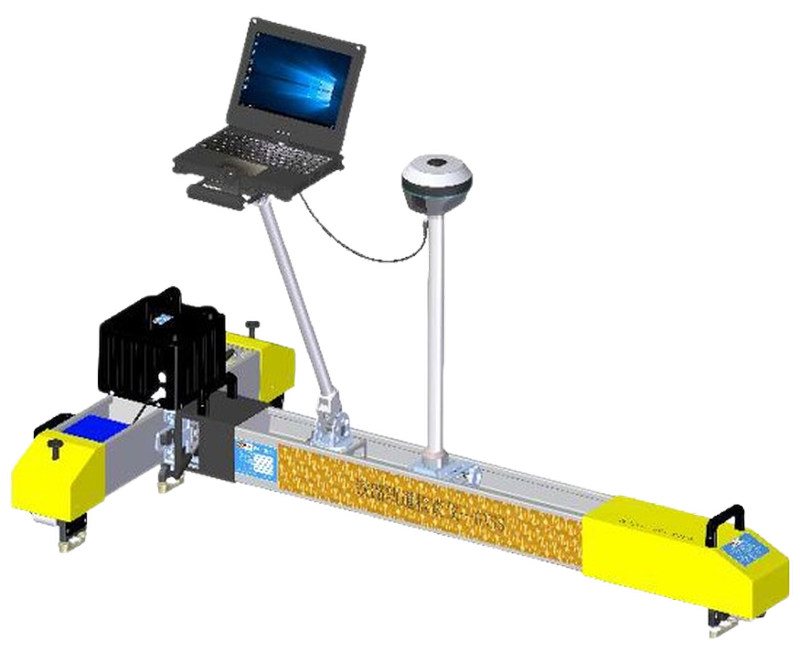
RCI Series Track Geometry Inspection Trolley – Technical Specifications
Type | RCI INS(Inertial)Track Inspection Trolley | RCI GNSSTrack Inspection Trolley | RCI TWTrack Inspection Trolley | RCI GJY-TW-RB-1 (Class 0 Relative)Track Inspection Trolley | RCI GJY-T-4A (Class 1 Relative)Track Inspection Trolley | |||||||||||||||
Main Parameter | Gauge | ±0.30 mm | ±0.30 mm | ±0.30 mm | ±0.30 mm | ±0.50 mm | ||||||||||||||
Superelevation | ±0.30 mm | ±0.30 mm | ±0.30 mm | ±0.30 mm | ±0.50 mm | |||||||||||||||
Twist | ±0.50 mm | ±0.50 mm | ±0.50 mm | ±0.50 mm | ±0.70 mm | |||||||||||||||
Alignment & Profile | ±0.70 mm | ±0.70 mm | ±0.70 mm | ±0.70 mm | ±0.10 mm | |||||||||||||||
Versine | ±1.00 mm | ±0.10 mm | ±0.10 mm | ±0.10 mm | ±0.10 mm | |||||||||||||||
Alignment & Profile (30m) | ±0.70 mm | ±0.70 mm | ±0.70 mm | ±0.70 mm | — | |||||||||||||||
Alignment & Profile (300m) | ±3.00 mm | ±3.00 mm | ±3.00 mm | ±3.00 mm | — | |||||||||||||||
Lateral Deviation | ±3.00 mm | — | ±3.00 mm | — | — | |||||||||||||||
Vertical Deviation | ±2.50 mm | — | ±2.50 mm | — | — | |||||||||||||||
Mileage | ±0.10% | ±0.10% | ±0.10% | ±0.10% | ±0.10% | |||||||||||||||
Measurement Efficiency | 1.5–3 km/h | 4–5 km/h | 1–2 km/h | 4–6 km/h | 4–6 km/h | |||||||||||||||
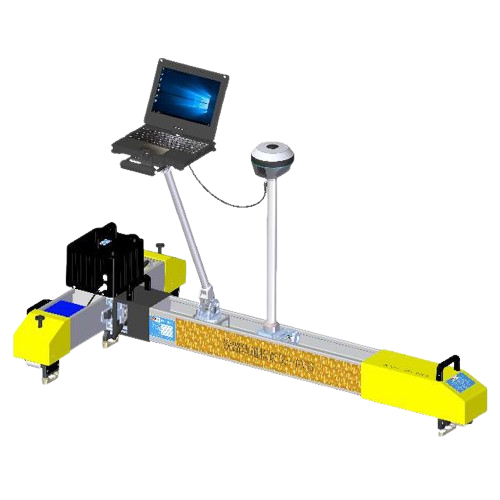
Application Scopes
⚪ Reconstruction of track alignment based on:
The relative displacement data of the existing track geometry,
The smoothness (riding quality) of the existing reference line.
⚪ Guidance for precise and digital tamping operations by large maintenance machinery on lines with unspecified track quality conditions (e.g., BSG, SERUM, RMS).
Technical Specifications
● GNSS: GPS + GLONASS + BeiDou, RTK capable
● Battery: Hot-swappable 24V Li-ion (6 h)
● Weight: ≤30 kg
● Dimensions: 0.68 × 0.34 × 0.92 m
● IP Rating: IP54
● Temp Range: –20 °C to +50 °C
You need a product
You May Like
- Nearest port for product export
- no
- Delivery clauses under the trade mode
- FOB, CFR, CIF, EXW
- Acceptable payment methods
- T/T, L/C, D/P D/A